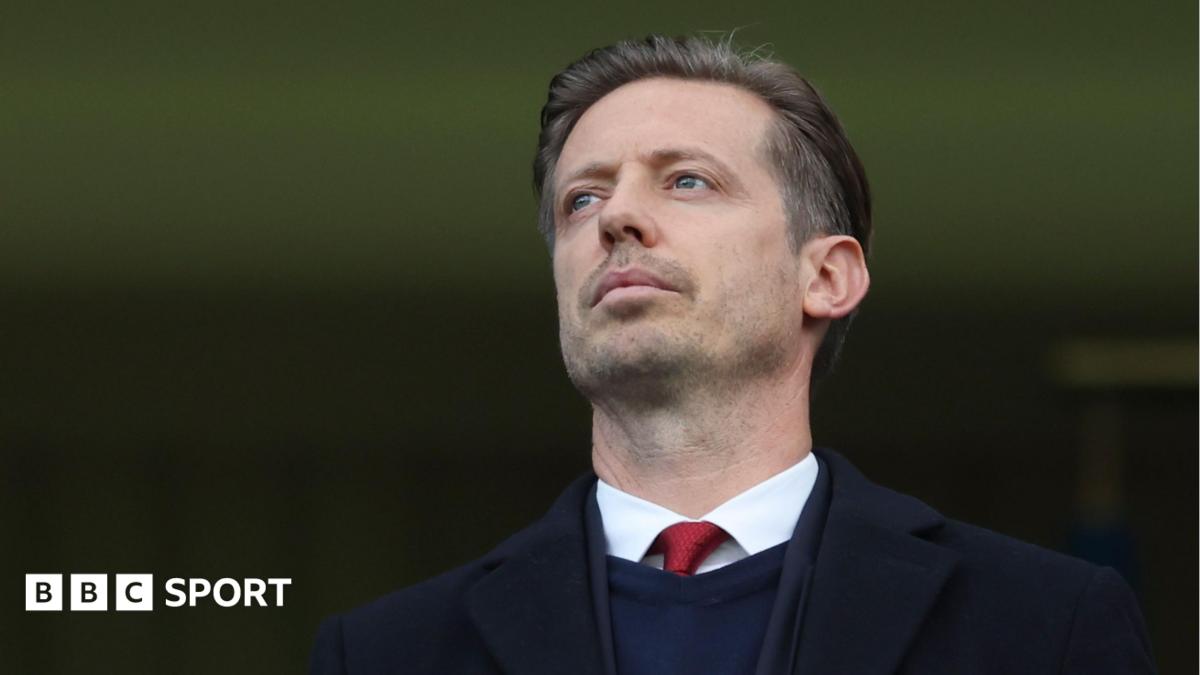
Michael Edwards’ departure from his role as chief executive of football with Fenway Sports Group is a notable development for Liverpool supporters, even if the BBC report provides only a brief confirmation of the move. Edwards has long been one of the most influential figures in Liverpool’s modern football operation, so any change involving him naturally carries weight beyond a simple staffing update.
For Liverpool, this is the kind of off-field news that can shape the direction of recruitment, squad planning and long-term strategy. Supporters will immediately want to know what the change means for the club’s football structure, particularly because decisions at executive level often affect how quickly a team can react in the transfer market and how clearly a club’s sporting identity is defined. Even without further detail in the source, the departure of a figure associated with football leadership at FSG is significant in a period when elite clubs are increasingly built around stable, data-informed decision-making.
Why Edwards’ exit matters for Liverpool
Edwards’ name has been closely linked with Liverpool’s modern rise, and his influence has often been discussed in the context of recruitment, squad building and the club’s wider sporting model. That makes this a story with implications that go beyond one individual leaving a post. In practical terms, changes at the top of a football operation can affect everything from transfer priorities to the speed of negotiations and the balance between short-term results and long-term planning.
For fans, the immediate question is whether this signals a broader reshuffle inside FSG’s football department or simply a change in responsibilities. The BBC item does not provide those details, so any wider interpretation has to remain cautious. Still, in a market where clubs are judged on how efficiently they operate behind the scenes, leadership continuity is often as important as what happens on the pitch.
What supporters will be watching next
Liverpool followers will now be looking for clarity on who takes on Edwards’ responsibilities and whether the club’s football strategy changes in any visible way. The timing also matters because executive transitions can influence planning ahead of key transfer windows and contract decisions. Even when the first announcement is limited, the ripple effects can be felt quickly across a club of Liverpool’s size.
At this stage, the verified fact is straightforward: Michael Edwards has left his football chief role with FSG. The broader significance will depend on what Liverpool and FSG say next, but the move is already a reminder that the most important football stories are not always about goals and results. Sometimes they are about the people who shape the club from above.
Source note: This article was prepared using publicly available information from BBC Sport and expanded with editorial context.
Share this content: