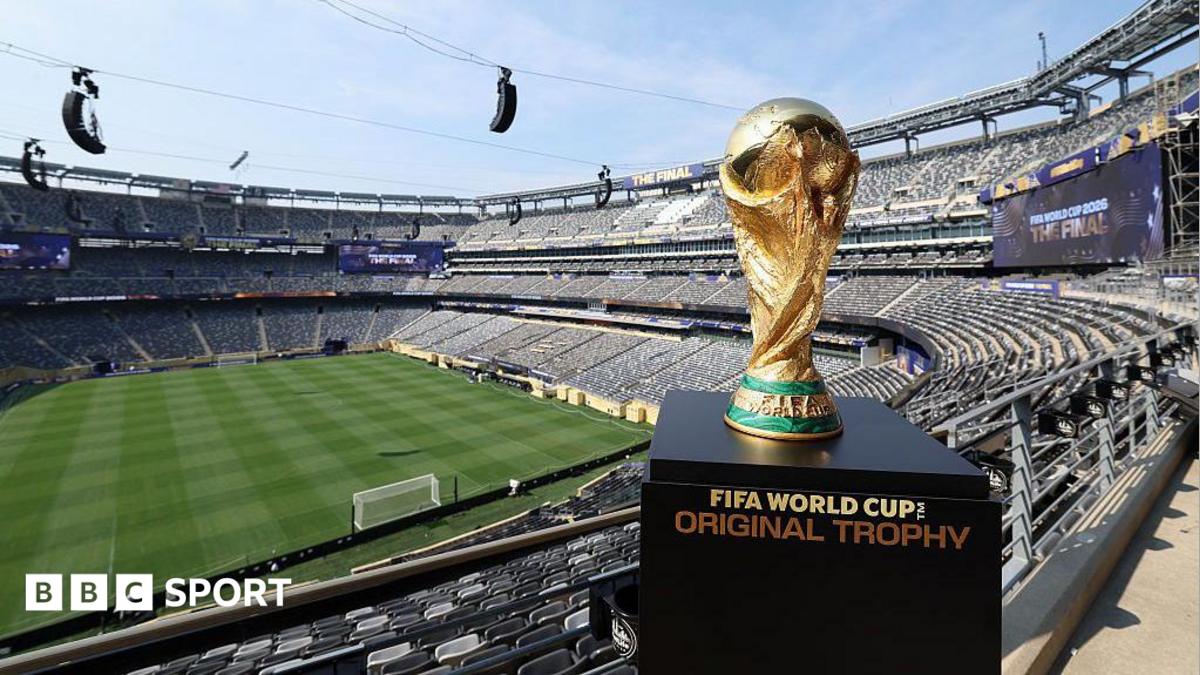
FIFA’s push to make the World Cup bigger has become one of the defining debates in modern international football. The BBC’s latest analysis asks a simple but important question: has the tournament’s expansion genuinely improved the event, or has it created a product that is larger in scale but harder to defend on footballing grounds?
That question matters because the World Cup is not just another competition. It is the sport’s most visible global stage, the event that shapes how supporters, broadcasters and governing bodies judge the direction of the game. When FIFA president Gianni Infantino promised the 2026 World Cup would be the “biggest event in the history of mankind”, he set an expectation that goes far beyond logistics or commercial reach. The real test is whether more matches and more nations have strengthened the tournament’s sporting value.
What expansion changes for the tournament
More games can mean more opportunities for underdog nations, greater global representation and a longer festival for supporters. For countries that rarely reach the biggest stage, expansion offers a route into the tournament that can energise domestic football and create new audiences. From a commercial perspective, it also gives FIFA more inventory, more broadcast value and more chances to sell the World Cup as a truly worldwide event.
But expansion also brings obvious concerns. A larger field can dilute the quality of the group stage, increase the number of mismatches and place more strain on players already operating in a congested calendar. For many supporters, the World Cup’s appeal has always rested on its scarcity and intensity. If the tournament becomes too large, the sense that every game matters can be weakened.
Why the controversy keeps growing
The BBC framing suggests that the debate is no longer theoretical. The more FIFA expands the competition, the more scrutiny it attracts over whether the football itself is being protected. That is especially relevant in an era when elite players are already dealing with heavier workloads, and when supporters are increasingly sensitive to the balance between sporting merit and commercial ambition.
For fans, the issue is not simply whether the World Cup can accommodate more teams. It is whether the tournament still feels special. If expansion creates more chances for smaller nations, that is a positive. If it also produces more predictable matches and more controversy around the format, then the governing body risks undermining the very prestige it is trying to grow.
As the 2026 edition approaches, the argument will only intensify. FIFA wants the World Cup to be bigger than ever. Supporters will decide whether bigger also means better.
Source note: This article was prepared using publicly available information from BBC Sport and expanded with editorial context.
Share this content: