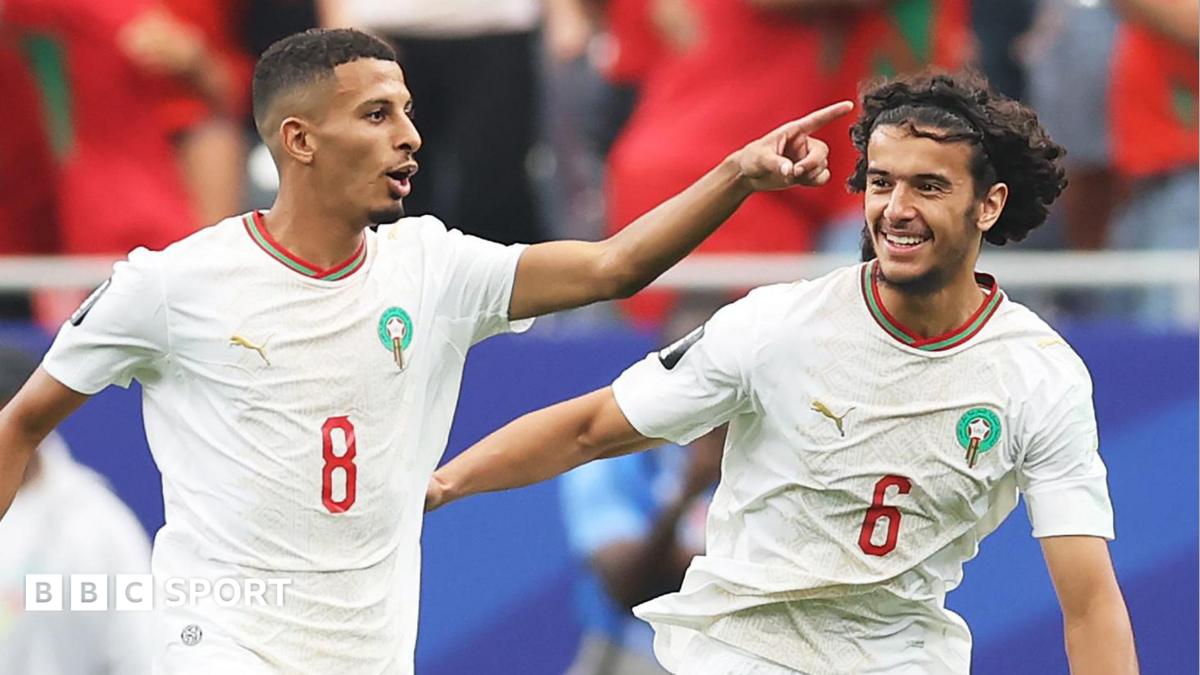
Morocco’s World Cup story has become one of the tournament’s most compelling narratives, and the numbers behind it are impossible to ignore. An unbeaten run stretching to 34 matches is not just a strong sequence of results; it is the kind of consistency that changes how opponents prepare and how supporters begin to believe. Even when the football is not always stylish, the outcome keeps pointing in the same direction: Morocco are hard to beat, difficult to unsettle and increasingly comfortable in the pressure of major competition.
The latest victory over Canada may not have been a classic, but that is part of the point. Tournament football is often defined less by aesthetics than by control, resilience and game management. Morocco’s ability to win in different ways suggests a side with more than one route to success. That matters in a World Cup setting, where teams must adapt quickly to different opponents, different rhythms and different levels of pressure.
Why the unbeaten run matters
A long unbeaten streak does more than fill a statistic column. It builds habits. Players begin to trust the structure around them, the coaching staff can lean on patterns that have already been tested, and the squad develops a collective confidence that can carry them through difficult moments. For Morocco, that kind of momentum is especially valuable because knockout football often turns on small details rather than sustained dominance.
Supporters will also recognise the psychological edge that comes with a run like this. When a team keeps avoiding defeat, belief spreads beyond the dressing room. It becomes easier for fans to imagine a deep run, and harder for opponents to treat Morocco as a side they can simply outplay. That shift in perception is one of the most important gains a national team can make during a World Cup.
What it says about Morocco’s tournament profile
Morocco’s recent form points to a team that is not relying on one-off inspiration. Instead, the evidence suggests a side that understands how to stay in matches, manage moments and turn tight contests into positive results. That profile is often associated with teams that go far in international tournaments, because the ability to remain composed under stress is as important as attacking flair.
There is also a broader significance for African football. Morocco’s progress reinforces the idea that teams from the continent can compete with discipline, tactical organisation and belief at the highest level. For neutral observers, that makes Morocco one of the most interesting sides to follow. For their own fans, it raises the expectation that this run could become something even bigger than a strong group-stage story.
The challenge now is sustaining that level when the margins tighten. Unbeaten runs attract attention, but World Cups are ultimately judged by what happens when the pressure peaks. Morocco have already shown they can survive and win. The next question is whether they can turn durability into a truly defining tournament campaign.
Source note: This article was prepared using publicly available information from BBC Sport and expanded with editorial context.
Share this content: