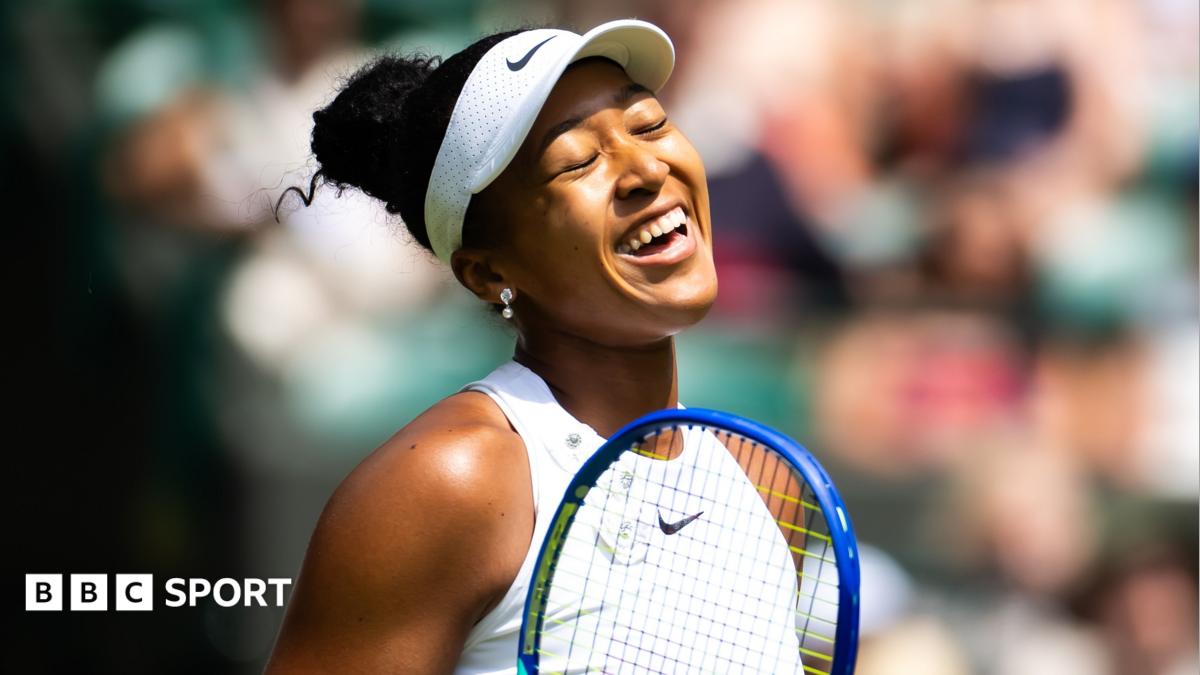
Naomi Osaka’s latest reset is less about a dramatic reinvention than a return to basics. According to the BBC source, a new coach and the comfort of her mother’s cooking have played a part in helping the former world No. 1 bring back the fun in tennis after a difficult spell in which the sport no longer felt natural or rewarding.
That matters because Osaka’s career has always carried a tension between elite performance and personal well-being. When a player of her profile starts talking about enjoyment again, it is not just a feel-good detail; it is often a sign that the technical work, the daily routine and the emotional load are finally lining up. For supporters, that can be the difference between a short-lived return and a sustained run of form.
A reset built on familiarity
The source makes clear that Osaka was in a very different place just two years ago, when she was struggling to understand why a sport that had once felt “as simple as breathing” was leaving her bereft. That line captures the central issue for many top athletes: when the pressure, expectations and repetition of the tour begin to drain the instinctive joy that first made them successful.
In that context, the mention of her mother’s cooking is more than a human-interest aside. It suggests a grounding influence away from the court, the kind of familiar support that can help a player feel settled during a demanding season. For an athlete who has spent long stretches under intense scrutiny, ordinary routines can become an important competitive tool.
Why the coaching change matters
The coaching element is equally significant. A new voice can sharpen decision-making, simplify patterns and restore confidence in the biggest moments. For Osaka, whose game has always been built on power, timing and first-strike tennis, clarity in the coaching box can be especially valuable. When her game is functioning, she is one of the most dangerous attackers in the sport; when it is not, the margins can disappear quickly.
BBC’s framing suggests this is not merely about results but about rediscovering the emotional conditions that allow Osaka to compete freely. That is important for any player returning from a difficult period, because form often follows mindset. If she can sustain that sense of ease, her ceiling remains high.
For fans, the encouraging takeaway is simple: Osaka appears to be in a healthier place, and that usually gives her tennis a better chance of matching her talent. The story is not about a completed comeback, but about a player rebuilding the foundations that make one possible.
Source note: This article was prepared using publicly available information from BBC Sport and expanded with editorial context.
Share this content: