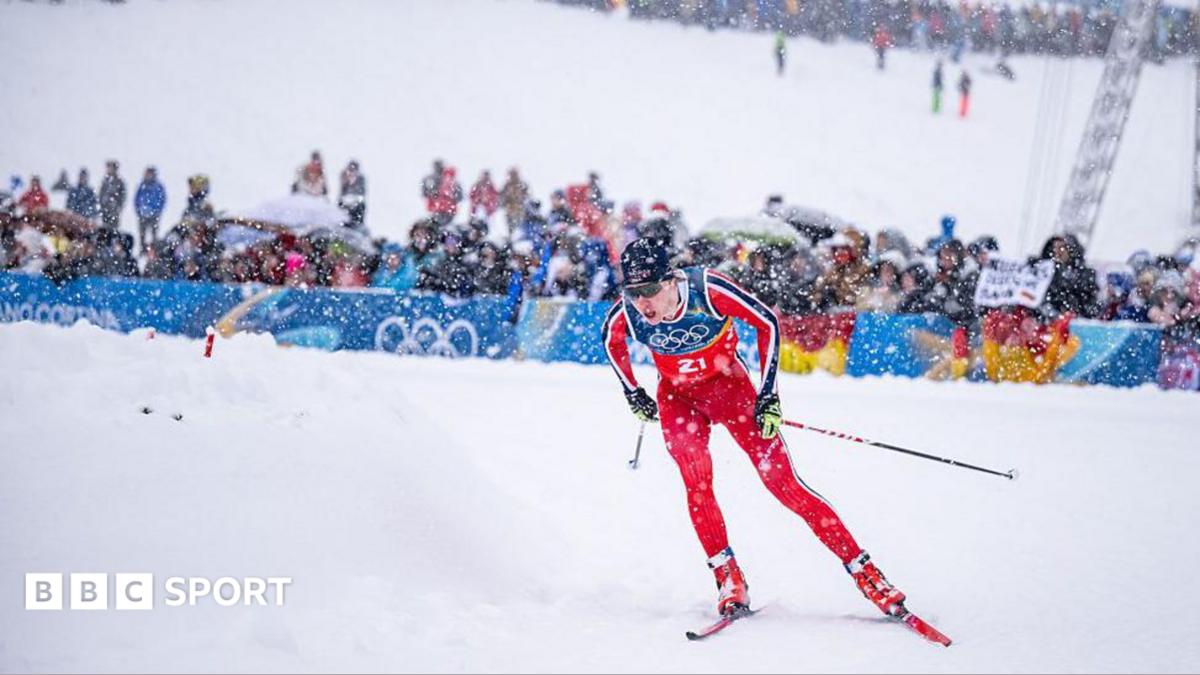
The 2030 Winter Olympics will mark a significant programme change, with Nordic Combined set to disappear from the Games for the first time. For a discipline that has long been part of the Winter Olympic identity, the decision is more than a scheduling adjustment: it is a clear signal that the IOC is continuing to reshape the event around participation targets and broader gender balance.
According to the BBC source, the removal of Nordic Combined is tied to a wider increase in female participation. That increase will be delivered through quota rises in four sports — Luge, Skiing, Bobsleigh and Ice Hockey — with athlete numbers lifted by up to seven per cent. In practical terms, that means the Olympic programme is being redistributed rather than simply expanded, and one sport has paid the price.
What the change means for the Winter Games
Nordic Combined has always occupied a niche place in the Olympic calendar, blending ski jumping and cross-country skiing into a demanding test of all-round endurance and technique. Its absence in 2030 will therefore be felt not only by athletes and federations connected to the sport, but also by supporters who value the traditional variety of the Winter Games.
From an editorial perspective, this is part of a broader tension in Olympic planning: how to modernise the event while preserving sports with deep historical roots. The IOC has increasingly prioritised gender equity and quota management, and this latest move suggests that those goals remain central to future Winter Games design. For fans, that may be welcomed as progress in representation, but it also raises questions about whether smaller or less commercially prominent sports can survive in a crowded programme.
Why supporters of Nordic Combined will be concerned
For Nordic Combined athletes and national programmes, exclusion from 2030 is a major setback. Olympic inclusion is the highest-profile stage in winter sport, and losing that platform affects visibility, funding arguments and long-term development pathways. Even without additional detail from the source on future reinstatement or appeals, the immediate implication is obvious: the sport’s Olympic status is now under pressure.
Supporters of the discipline will see this as a blow to competitive diversity. The Winter Olympics have always relied on a mix of speed, power and technical events to define their appeal, and Nordic Combined has historically contributed to that balance. Its removal may help the IOC meet participation targets, but it also narrows the range of events available to viewers and reduces the number of medal opportunities for athletes in the sport.
For the wider Olympic movement, the decision underlines a familiar trade-off. More female participation is an important and overdue objective, but the route to achieving it can create winners and losers across the programme. The 2030 Winter Olympics will now be remembered not just for what is added, but for what has been left out.
Source note: This article was prepared using publicly available information from BBC Sport and expanded with editorial context.
Share this content: