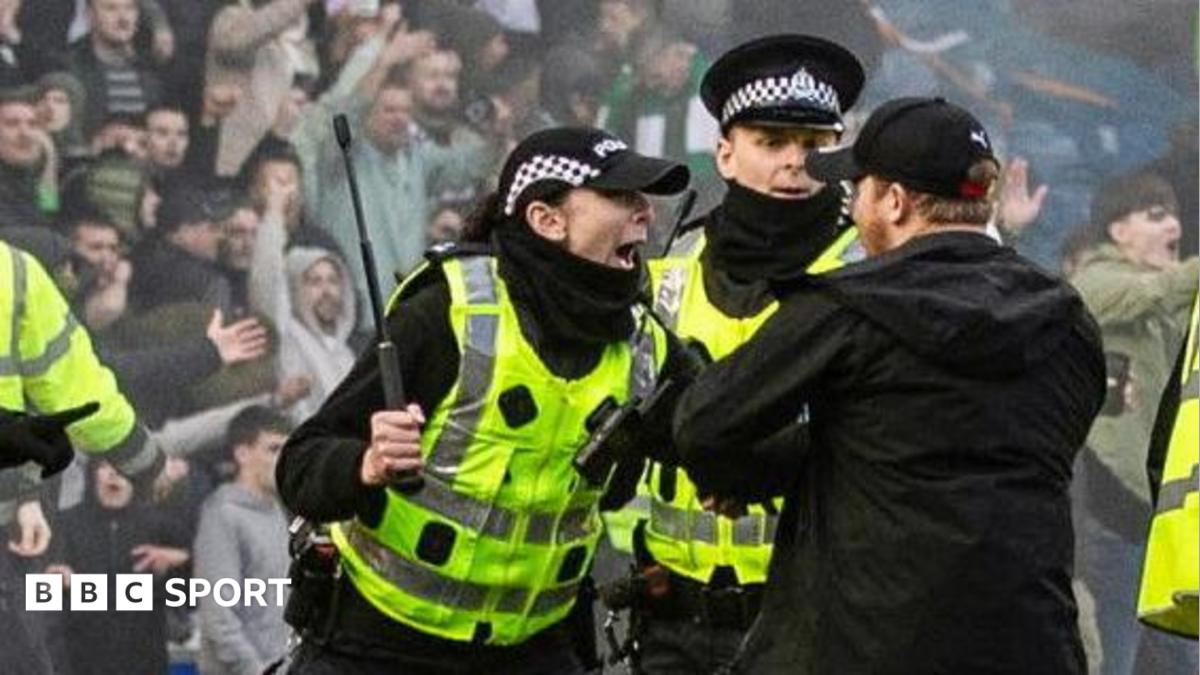
The publication of an independent review into crowd disorder at the Old Firm Scottish Cup quarter-final has shifted the conversation from what happened on the day to what Scottish football does next. The report, which took four months to arrive, is described as damning and its language suggests the incident was far more serious than a routine flashpoint between rival supporters.
For Rangers and Celtic, the match at Ibrox was always going to carry the usual emotional weight of an Old Firm tie. But the review’s warning that events came close to life-threatening violence changes the tone completely. This is no longer just about disciplinary debate or post-match blame. It is about whether the structures around one of the game’s most volatile fixtures are strong enough to protect supporters, staff and players.
Why the report matters beyond one match
The Old Firm rivalry is one of the most intense in world football, and that intensity often places extra pressure on stewards, police and matchday organisers. When an independent review uses such stark language, it inevitably raises questions about whether enough was done before, during and after the quarter-final to control the situation. The fact that the report took months to complete also underlines how seriously the incident is being treated.
For supporters, the key issue is confidence. Fans want to know that major fixtures can be attended safely without the threat of disorder overshadowing the football. If the authorities respond weakly, there is a risk that trust will erode further. If they respond firmly, the review could become a turning point in how high-risk matches are managed in Scotland.
What the authorities must decide now
The report leaves football’s governing bodies with a clear test: whether they are prepared to match the seriousness of the findings with meaningful action. That could mean tighter matchday controls, stronger sanctions, or a broader review of how crowd safety is handled at fixtures where tensions are predictably high. The exact response will matter almost as much as the report itself.
There is also a wider reputational issue for Scottish football. The Old Firm is one of the sport’s biggest attractions, but incidents like this risk turning attention away from the football and toward the failures around it. For the game to protect its image, the response cannot be cosmetic. It has to show that the authorities have listened to the warning and are willing to act on it.
For now, the report has done what major independent reviews are meant to do: it has forced uncomfortable questions into the open. The next move belongs to the football authorities, and their handling of this case will be closely watched by clubs, supporters and the wider game.
Source note: This article was prepared using publicly available information from BBC Sport and expanded with editorial context.
Share this content: