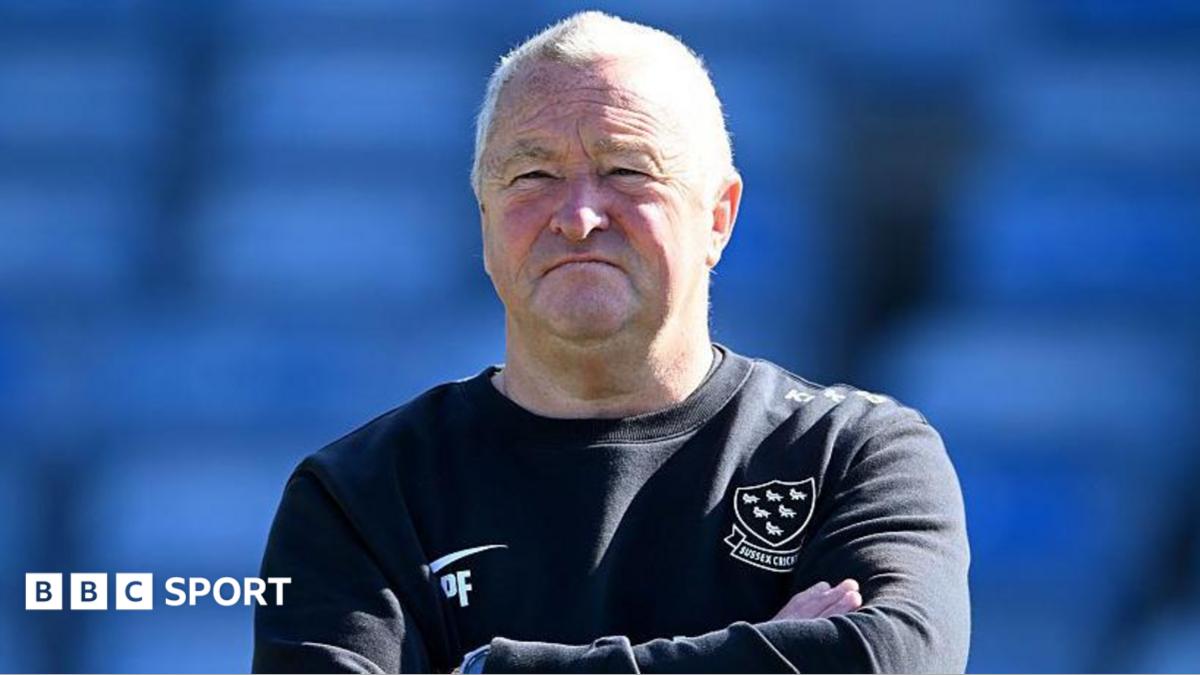
Sussex are preparing for another significant change in their cricket leadership, with head coach Paul Farbrace set to move into the role of director of cricket from November. The move, reported by the BBC, comes at a time when the county is being described as cash-strapped, a detail that adds important context to the decision and to the wider direction of the club.
For supporters, the headline is not simply that Farbrace is changing job title. It suggests Sussex are trying to protect continuity while also adjusting the structure around the first team. In practical terms, a director of cricket role usually carries broader responsibility than a head coach position, often involving long-term planning, squad strategy and the overall cricketing pathway. That can be especially important for a club managing financial pressure, where every decision on recruitment, development and retention matters more than ever.
What Farbrace’s move could mean for Sussex
Farbrace has been central to Sussex’s recent cricketing direction, so his shift into a more senior off-field role may be viewed as an attempt to keep his experience within the club while changing the day-to-day coaching setup. That can be a sensible move when a county wants stability at the top but also needs to rethink how responsibilities are divided.
From a sporting perspective, the timing is notable. A November transition gives Sussex a runway to plan for the next phase rather than forcing an immediate mid-season change. It also suggests the club wants to avoid disruption while still acknowledging that the current model may need to evolve. In a county game where budgets are tight and squad depth can be tested quickly, leadership continuity can be just as valuable as a major signing.
Why the financial backdrop matters
The BBC’s description of Sussex as cash-strapped is significant because it frames this move as more than a routine reshuffle. Clubs under financial strain often have to make difficult choices about staffing, resources and long-term planning. A director of cricket can help align those decisions with the club’s competitive ambitions, especially if the aim is to build a sustainable structure rather than chase short-term fixes.
The source also points to another Sussex-related item published on 15 June, noting that eight were set to leave the club as Farbrace considered his future. While the current report does not expand on that earlier development, it reinforces the sense that Sussex have been in a period of change and assessment. For fans, that means the coming months may be about more than one appointment: they may define the shape of the club’s cricket operation for some time to come.
In that sense, Farbrace’s move could be seen as both a vote of confidence and a strategic reset. Sussex are keeping an experienced figure in place, but they are also signalling that the club’s structure is being adapted to meet financial realities and future sporting needs.
Source note: This article was prepared using publicly available information from BBC Sport and expanded with editorial context.
Share this content: