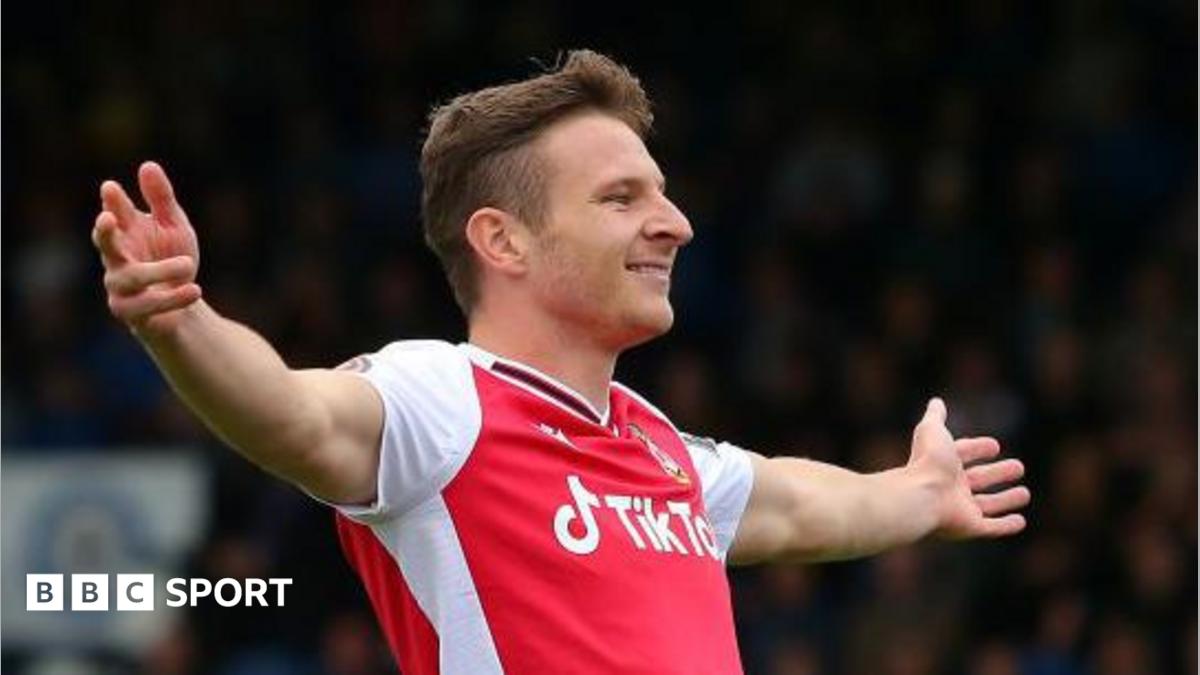
Paul Mullin’s departure from Wrexham by mutual consent brings an emotional chapter to a close for a player who became one of the defining faces of the club’s modern rise. The Championship side confirmed the exit, ending a spell that had made Mullin central to the story of Wrexham’s transformation under their Hollywood ownership.
For supporters, this is more than a routine squad update. Mullin was not simply a goalscorer; he was a symbol of the club’s momentum through the lower leagues and into the national spotlight. His exit, after he had not played since February 2025, underlines how quickly football projects evolve once a club reaches a new level and begins reshaping its squad for the demands of the Championship.
A defining figure in Wrexham’s rise
Mullin’s legacy at Wrexham is secure because his name is tied to the period that changed the club’s profile on and off the pitch. In those early years under the ownership that brought global attention to the team, he became the poster boy of the project and one of the most recognisable players associated with the club’s climb. That kind of status is rare, and it helps explain why his departure will feel significant even if the move itself has been expected for some time.
From a footballing perspective, the timing also matters. Wrexham are now operating at a higher level, where squad planning is shaped by the physical and tactical demands of Championship football. Clubs in that position often have to make difficult decisions about players who have been central to earlier success but may no longer fit the next stage of the build. Mullin’s exit suggests Wrexham are continuing to refine the group for the challenges ahead.
What it means for Wrexham supporters
Supporters will likely view this as a bittersweet moment. There is gratitude for what Mullin helped deliver, but also an understanding that football careers and club cycles do not stand still. Mutual consent usually points to a decision that serves both sides, allowing a player and club to move on without a prolonged stand-off.
For Wrexham, the task now is to preserve the identity and winning mentality that players like Mullin helped establish while building a squad capable of competing in a tougher division. For Mullin, the next step will be watched closely because his reputation has been built not only on output, but on the emotional connection he forged with the fanbase.
In that sense, this is the end of a significant era rather than just another transfer headline. Mullin leaves with his legacy intact, and Wrexham move forward with the challenge of replacing both his presence and the symbolism attached to it.
Source note: This article was prepared using publicly available information from BBC Sport and expanded with editorial context.
Share this content: