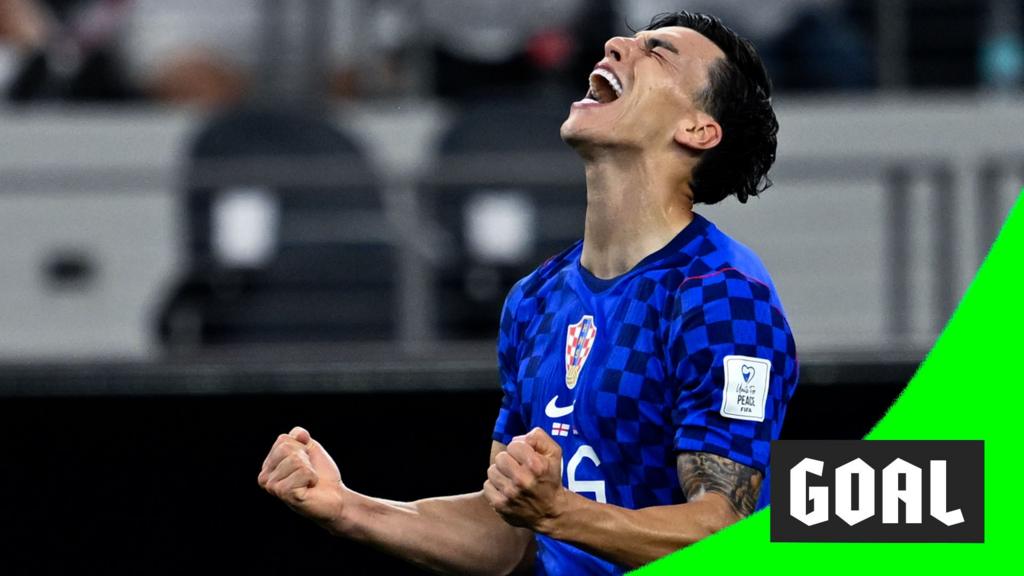
Petar Musa’s goal brought Croatia level at 2-2 against England in a FIFA World Cup group match at Dallas Stadium, underlining how quickly a game can swing when both sides are willing to attack with conviction. In a contest that has already produced four goals, the equaliser is more than a moment on the scoresheet: it is a reminder that neither team has been able to control the match for long enough to settle it.
Momentum shifts in a high-tempo group game
For Croatia, Musa’s strike is the kind of response supporters want to see when a match threatens to drift away. Equalising in a World Cup group fixture can change the emotional temperature of the game immediately, especially against a team such as England, who are often expected to manage pressure phases and protect leads. Instead, this has become a contest defined by momentum swings and quick answers.
From an analytical point of view, a 2-2 scoreline suggests both defences have been tested repeatedly and that the midfield battle has not been enough to shut down the final third. That matters in tournament football, where control is often prized above chaos. If either side continues to leave space between the lines or allow runners into dangerous areas, the game could still tilt again before the final whistle.
What Musa’s goal means for Croatia
For Musa personally, scoring in a World Cup setting is the sort of contribution that can elevate a player’s standing with supporters and teammates alike. Goals in major tournaments carry extra weight because they are remembered long after the match is over, and they can shape how a squad is viewed in the wider competition. For Croatia, the equaliser keeps their group hopes alive in a match that might otherwise have become a damaging setback.
England, meanwhile, will be frustrated at allowing Croatia back into the game after taking the lead. In tournament football, the ability to close out matches is often what separates contenders from teams that merely compete. A 2-2 scoreline at this stage leaves the outcome finely balanced and increases the importance of the next decisive action, whether that comes from a set piece, a transition, or a moment of individual quality.
For supporters, this is exactly the kind of World Cup drama that makes group-stage football compelling: a fast-moving game, a changing scoreboard and the sense that one more chance could decide everything. Musa’s equaliser has ensured that this one remains very much alive.
Source note: This article was prepared using publicly available information from BBC Sport and expanded with editorial context.
Share this content: