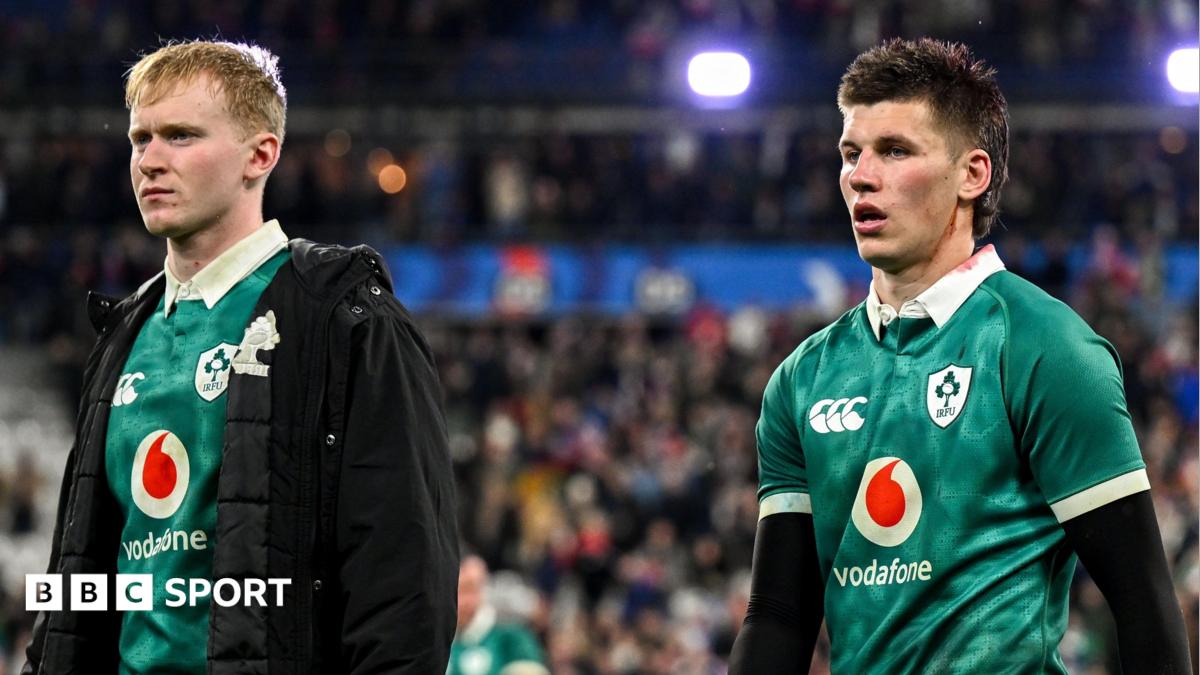
Sam Prendergast’s late-season momentum with Leinster has translated into a starting place for Ireland, with the fly-half recalled for Saturday’s Nations Championship opener against Australia in Sydney. It is a selection that underlines how quickly form can reshape international plans, especially in a squad where competition for places is intense and every Test carries immediate selection consequences.
The move also points to a broader tactical adjustment, with Jamie Osborne switching to the wing. That kind of reshuffle is rarely cosmetic at Test level. It usually reflects a coach’s desire to balance attacking shape, aerial security and defensive coverage while keeping the side flexible enough to respond to Australia’s pace and width. For Ireland, the decision suggests a willingness to trust Prendergast’s control and distribution from the outset rather than easing him back in from the bench.
Why Prendergast’s recall matters
Prendergast’s rise has been one of the more closely watched selection stories in Irish rugby, and his strong finish to the season with Leinster has clearly strengthened his case. For supporters, his inclusion offers a glimpse of Ireland’s next generation being pushed into meaningful matches rather than being protected from them. In a tour or championship opener, that matters: early performances often shape the tone of the entire campaign.
From a team perspective, a starting role for Prendergast can influence Ireland’s tempo. A fly-half selection is never just about one player’s form; it affects how the backline is organised, how quickly the team can move the ball, and how much pressure is placed on the kicking game. Against Australia, those details can decide whether Ireland control territory or spend long periods defending their own half.
Osborne’s wing switch and Ireland’s balance
Osborne’s move to the wing adds another layer of intrigue. Positional switches in the backline often signal a search for the right blend of size, speed and defensive reliability. It can also be a way of getting the best athletes on the field without sacrificing structure. For Ireland, that flexibility may be especially useful in a match where Australia’s backline threats can punish any lapse in spacing or communication.
For fans, the headline is not just who starts, but what the selection says about Ireland’s direction. Prendergast’s recall suggests the management are prepared to reward club form, while Osborne’s shift shows an intent to adapt the backline to the demands of a high-stakes opener. If the changes click, Ireland could begin the Nations Championship with a statement performance. If they do not, the scrutiny will be immediate, as it always is when selection gambles are made before a major international test.
Either way, the team sheet offers an early indication that Ireland are approaching the contest in Sydney with both ambition and flexibility. In modern Test rugby, that combination is often the difference between a promising plan and a winning one.
Source note: This article was prepared using publicly available information from BBC Sport and expanded with editorial context.
Share this content: