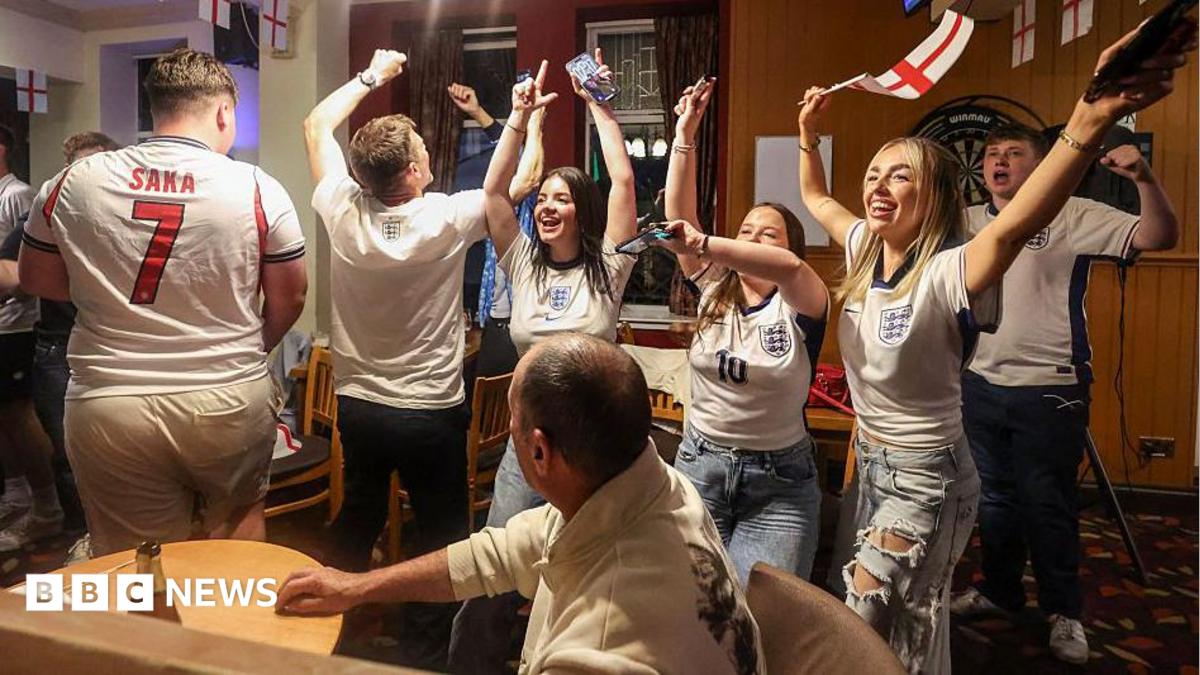
England supporters heading to the pub for the World Cup quarter-final against Norway have been given a small but meaningful boost: the government has said venues can remain open until 30 minutes after the final whistle, even if the match starts later than planned.
For fans, the decision is less about football tactics and more about the matchday experience that surrounds a major tournament. In knockout football, where tension can build over 90 minutes and beyond, the ability to stay put after the final whistle matters. It gives supporters space to react together, whether the result brings celebration, frustration or the kind of stunned silence that only tournament football can produce.
Why the timing matters for supporters
Late kick-offs and delayed starts can create uncertainty for venues, staff and fans alike. By allowing pubs to stay open until 30 minutes after the game ends, the government has effectively given publicans more flexibility to serve the full audience around one of England’s biggest fixtures. That matters in a quarter-final, where extra time or penalties can push the emotional and practical finish well beyond the scheduled slot.
The move also reflects how central pubs remain to football culture in England. For many supporters, watching a major tournament in a packed venue is part of the ritual: the collective build-up, the shared reactions to every chance, and the post-match discussion that follows. This extension helps preserve that atmosphere rather than forcing an abrupt end just as the game reaches its most decisive stage.
What it means in the wider World Cup context
The BBC report notes that the measure sits alongside wider licence extensions for pubs during the World Cup. That suggests the government is trying to balance public order, business needs and the scale of demand that comes with England matches on the international stage.
From a football perspective, the story is not about team selection or on-pitch preparation, but it still has relevance. Tournament football is as much about the environment around the game as the game itself, and decisions like this shape how supporters experience the pressure of a quarter-final. If England progress, the same logic will likely apply again as the stakes rise and the nation’s attention tightens around each result.
For now, the message to fans is simple: the pub should remain a viable base for the full drama of England against Norway, with enough time left after the final whistle to absorb the outcome together.
Source note: This article was prepared using publicly available information from BBC Sport and expanded with editorial context.
Share this content: