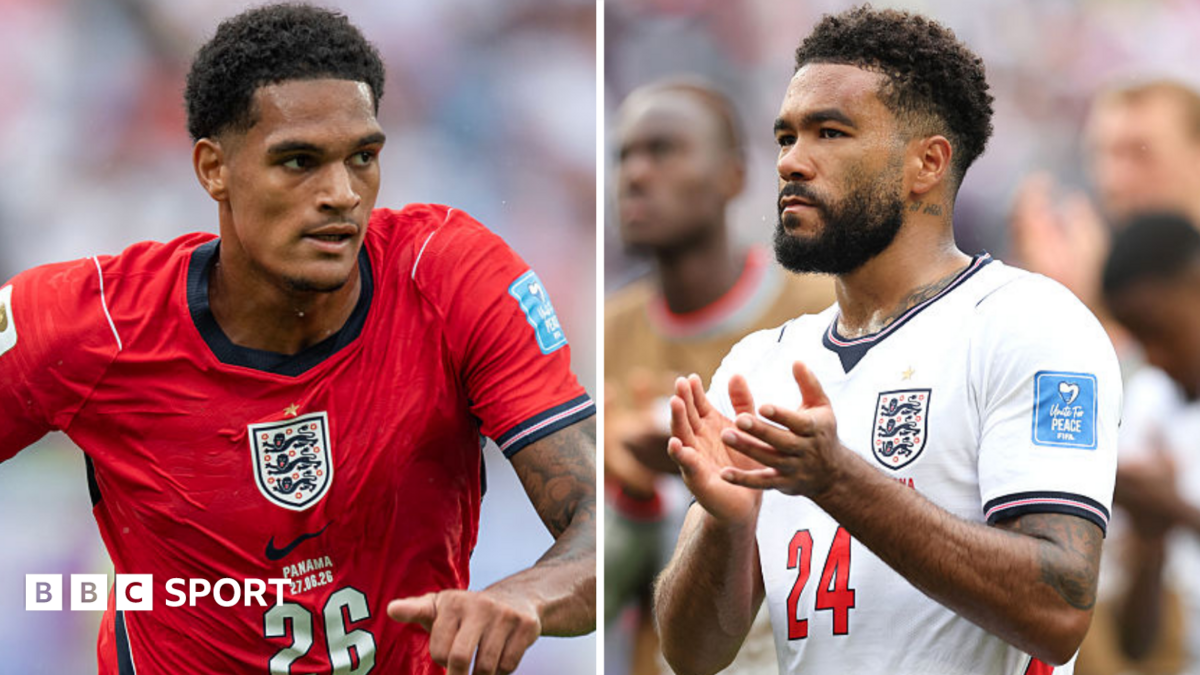
England’s build-up to their World Cup last-32 meeting with DR Congo has been disrupted by fresh uncertainty at right-back, with Jarell Quansah and Reece James both absent from training. The timing is awkward for a side trying to settle on a reliable defensive shape before a knockout match where small details can decide the outcome.
The issue matters because full-back selection is rarely just about one position. In modern international football, the right-back often has to do several jobs at once: defend wide spaces, support the press, help progression from the back and provide balance when the team attacks. When two options are unavailable in the same training window, it can force a manager to rethink how the entire right side functions.
England’s right side under pressure
For supporters, the concern is not only who starts on Wednesday, but how much disruption this creates in the final phase of preparation. Knockout football rewards familiarity, especially in defensive roles where communication and timing are essential. If England are already dealing with right-back problems, that could influence how aggressively they choose to play, particularly against opponents likely to look for transitions and space behind the full-back.
Quansah’s absence is notable because it removes one possible solution from the training ground, while James missing out adds further uncertainty. Even without speculating on the reason for either player’s absence, the practical effect is clear: England have fewer options to rehearse combinations, and less time to build rhythm on a flank that may be targeted in the match.
What it means for the DR Congo match
Against DR Congo, England will want control, but control in knockout football is often built from stability rather than ambition alone. If the right side is unsettled, the coaching staff may lean toward a more conservative approach, asking the wide defender to stay deeper or reducing the risk taken by the player in front of him. That can affect the team’s width, crossing patterns and ability to overload the opposition’s left side.
There is also a wider tournament implication. A minor training setback can become a major storyline if it leads to rotation, tactical compromise or a late change in personnel. England will hope the issue is temporary, but the fact that both Quansah and James missed training underlines how quickly squad depth can be tested in a World Cup setting.
For England fans, the immediate takeaway is simple: the team’s route into the last-16 has been complicated by a problem in one of football’s most demanding positions. Whether the answer comes from a tactical adjustment or a different selection, the right-back situation is now one of the key subplots before Wednesday’s game.
Source note: This article was prepared using publicly available information from BBC Sport and expanded with editorial context.
Share this content: