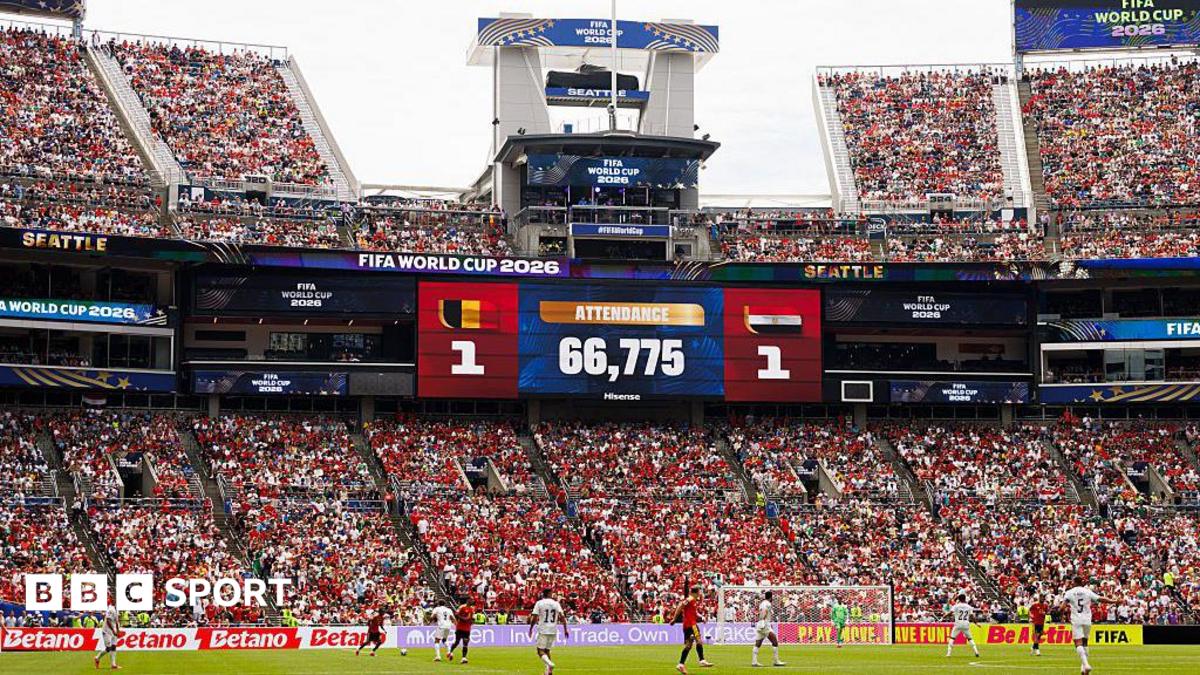
The opening week of the 2026 World Cup has produced an unusual pattern: draws, and plenty of them. Monday’s four fixtures all ended level, with Spain held by Cape Verde, Belgium sharing points with Egypt, Saudi Arabia and Uruguay unable to be separated, and Iran drawing an entertaining contest with New Zealand.
That sequence matters because the World Cup has traditionally been built on tension. Every point can shape qualification, every goal can alter a group, and every late concession can turn a campaign. When a day of matches ends without a single winner, the tournament can feel less ruthless than supporters expect from football’s biggest stage.
A rare statistical quirk with wider implications
The BBC notes that this was the first time since 15 June 1958 that four World Cup matches on one day had all finished level. That is a striking historical marker, but it also invites a broader question: does the expanded format, and the way teams are approaching early fixtures, encourage caution over risk?
From a tactical perspective, opening matches in major tournaments often produce conservative football. Coaches are wary of defeat, especially in groups where a single loss can force a team into a chase. That dynamic can lead to compact defensive shapes, slower build-up play and fewer players committing beyond the ball. The result is often a game state where neither side wants to be the first to overextend.
For supporters, that can be frustrating. The World Cup is expected to deliver drama, but the first week has instead leaned toward control and containment. Spain’s goalless draw will be viewed differently from Iran’s 2-2 with New Zealand, yet both outcomes feed the same debate: are teams prioritising survival over spectacle?
What it means for the teams involved
For the sides involved, a draw is not automatically a setback, but it can quickly become one if the group tightens. Spain will be expected to recover because of their pedigree and technical quality, while Belgium’s result underlines how even established European teams can be dragged into difficult, low-margin contests. Saudi Arabia and Uruguay will likely see the point as useful only if they can back it up in the next round of fixtures.
Iran’s draw with New Zealand stands out because it was the most open of the four games, suggesting that not every match has been cagey. Still, the overall trend is clear enough to fuel the conversation around jeopardy, especially in a tournament where the early rhythm often sets the tone for the rest of the competition.
Whether this is a temporary opening-week pattern or a sign of something more structural, the numbers have already given the World Cup a talking point. For now, the competition has delivered a reminder that in tournament football, the absence of defeat can sometimes be as revealing as victory itself.
Source note: This article was prepared using publicly available information from BBC Sport and expanded with editorial context.
Share this content: