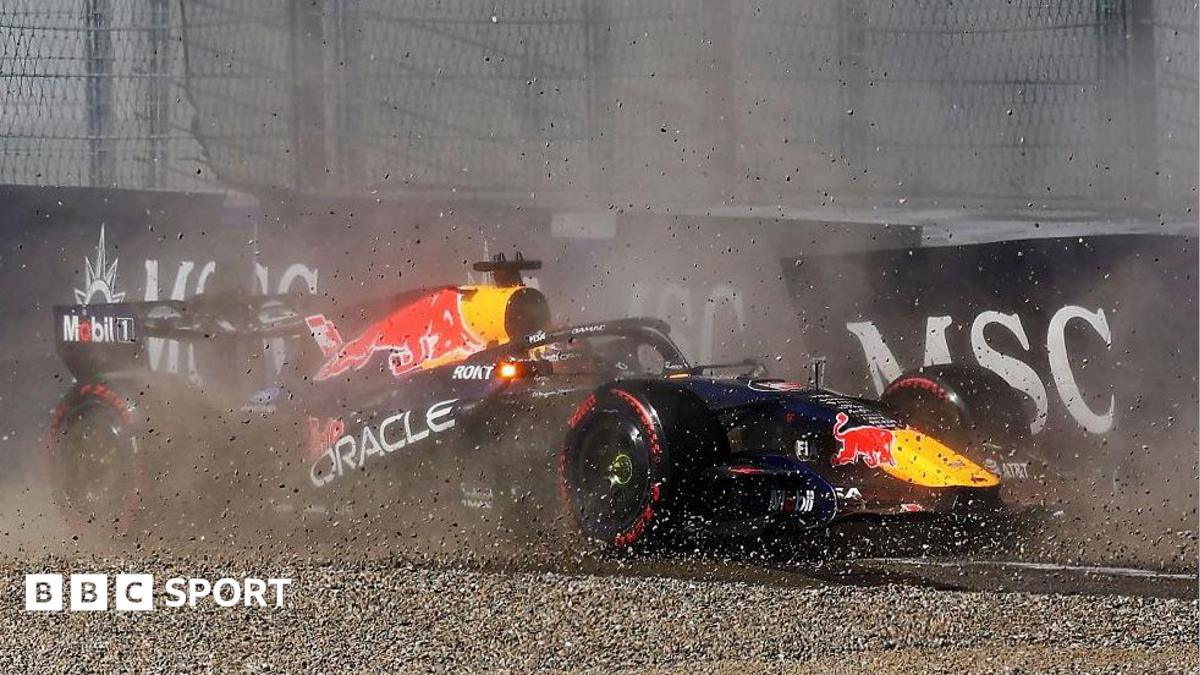
Red Bull’s decision to move back to a conventional rear wing for the Belgian Grand Prix is a notable response to a difficult run of high-speed incidents involving Max Verstappen. The change is not just a technical adjustment; it is a sign that the team is prioritising stability and confidence as it heads into one of the most demanding weekends on the Formula 1 calendar.
According to the BBC source, the switch comes after crashes in the previous two races. That context matters because wing choice is closely tied to how a car behaves at speed, especially through fast corners and under braking. When a team makes a visible change like this, it usually reflects a desire to reduce risk, improve predictability and give the driver a platform that is easier to trust over a full race distance.
Why the wing change matters
For Verstappen, the issue is not simply about outright pace. A rear wing configuration can influence balance, drag and the overall feel of the car, which in turn affects how aggressively a driver can attack a lap. After two high-speed crashes, Red Bull’s move suggests the team is looking to restore a more settled baseline rather than chase marginal gains that may have come with added instability.
That is especially relevant at Spa-Francorchamps, where the Belgian Grand Prix often rewards cars that can combine top-end speed with composure through long, fast sections. A conventional rear wing may not be the most eye-catching solution, but in a weekend shaped by confidence and control, it can be the more practical one.
What it means for Red Bull and Verstappen
From a championship perspective, any setup change that improves reliability and reduces the chance of another costly incident could be more valuable than a small performance gain. Verstappen has built his reputation on extracting maximum performance from the car, but the recent crashes show how quickly the margin for error can disappear when the setup window is not quite right.
For supporters, the move will be read in two ways. On one hand, it is reassuring to see Red Bull reacting decisively rather than persisting with a package that has not delivered the desired confidence. On the other, it raises questions about how much performance the team may be giving up in order to regain control. That tension is part of modern Formula 1: the fastest solution is not always the safest one, and the safest one is not always the quickest.
The BBC also notes that the weekend will be covered live on BBC Radio 5 Sports Extra and Sports Extra 2, with live text updates on the BBC Sport website and app. With the Belgian Grand Prix approaching, Red Bull’s wing change adds another layer of intrigue to a race that already demands precision, patience and a car that can be trusted at speed.
Source note: This article was prepared using publicly available information from BBC Sport and expanded with editorial context.
Share this content: