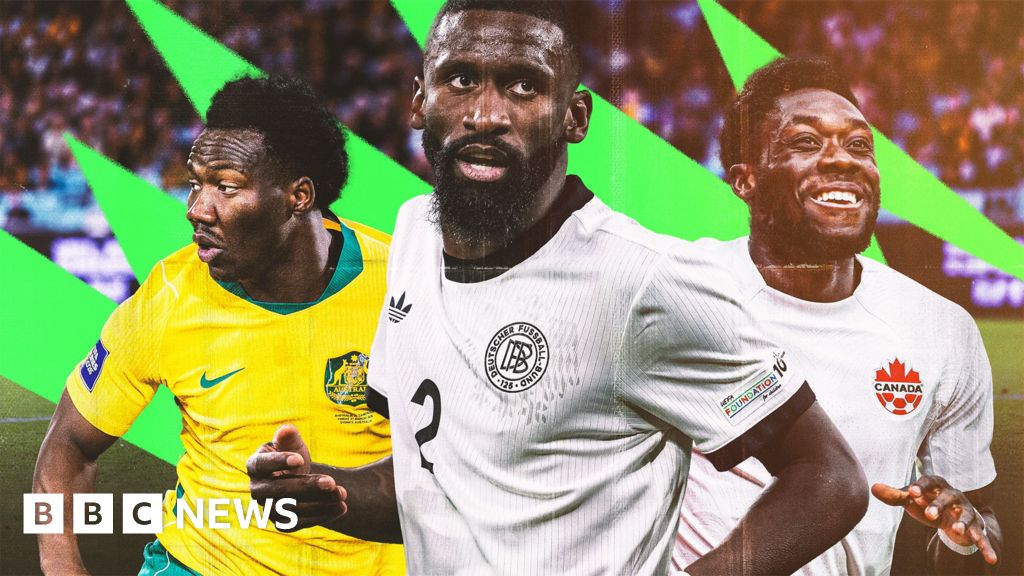
Antonio Rudiger’s appearance in Germany’s World Cup opener was more than a routine substitute cameo. In a 7-1 win over Curacao at Houston Stadium, the Real Madrid defender stepped onto the pitch knowing that his story carried a significance far beyond the scoreline. For many supporters, especially those following the tournament through a wider social lens, Rudiger represents the modern international game at its most layered: elite performance, national identity and a family history shaped by displacement.
The BBC report underlines that Rudiger’s parents fled Sierra Leone’s decade-long civil war before settling in Europe. That background gives added weight to every appearance he makes for Germany. It is not simply a case of a player representing a country; it is also a reminder of how football can become a stage for the children of refugees to establish belonging, visibility and success at the highest level.
Why this matters beyond one World Cup match
Germany’s emphatic opening victory naturally drew attention for the scoreline, but Rudiger’s introduction was part of a broader narrative about squad depth and the symbolism of representation. In tournament football, substitutes often matter tactically, but they can also carry emotional resonance. For Rudiger, the moment connected his present-day role at one of Europe’s biggest clubs with a personal history that began with flight from conflict.
The BBC piece also points to Alphonso Davies as another player whose rise has been shaped by a refugee journey. That comparison is important because it shows Rudiger’s story is not isolated. International football increasingly features players whose family paths crossed continents before they reached the elite level. For supporters, that adds another layer to the meaning of watching their national teams: the shirt can represent both sporting achievement and the long arc of migration, adaptation and opportunity.
The wider football and social context
From a football perspective, stories like Rudiger’s and Davies’ also speak to the changing makeup of national teams. Coaches now work with squads built from diverse backgrounds, and those players often bring different experiences that can shape team culture. For Germany, Rudiger’s presence is part of a defensive unit that blends physicality, experience and international pedigree. For fans, that means a player who is not only important on the field but also emblematic of a broader, more global game.
There is also a supporter angle that should not be overlooked. In an era when football is often discussed through transfers, tactics and results, these human stories remind audiences why international tournaments still resonate so strongly. They are not only about who wins; they are also about who gets to belong, who gets to be seen and how football can reflect the journeys of families who rebuilt their lives after conflict.
Rudiger’s World Cup appearance, then, is best understood as both a sporting event and a personal milestone. The result was comfortable for Germany, but the deeper significance lies in what his story says about the game’s reach and the people who make it richer.
Source note: This article was prepared using publicly available information from BBC Sport and expanded with editorial context.
Share this content: