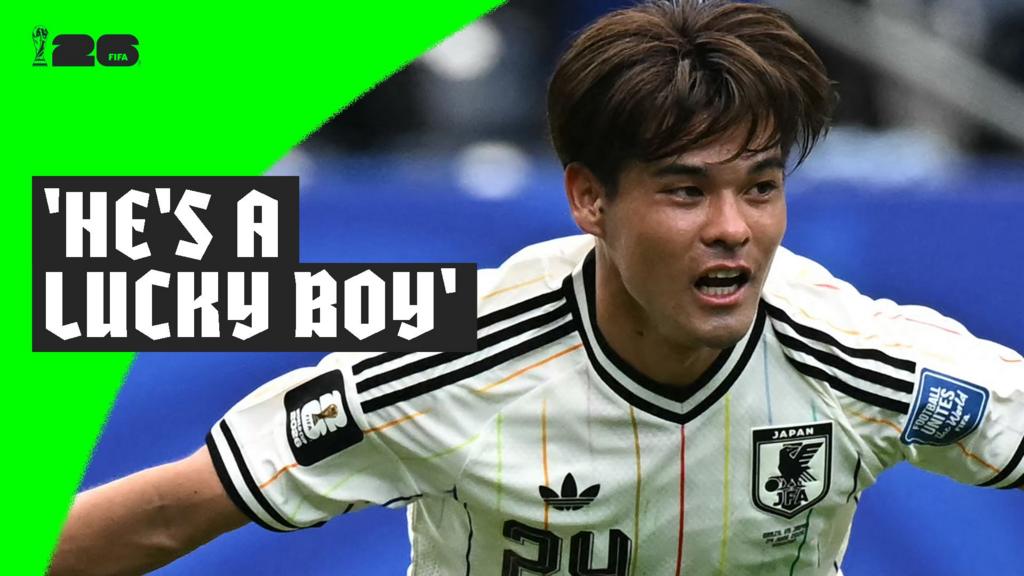
Kaishu Sano’s goal for Japan against Brazil in Houston was the kind of moment that can define a knockout match: decisive, controversial and impossible to ignore. The midfielder found the net shortly after avoiding a second yellow card for a challenge on Matheus Cunha, giving Japan a lead in a round-of-32 tie that immediately shifted the emotional temperature of the contest.
For supporters, the sequence will feel familiar in the most frustrating way. In knockout football, every refereeing decision is magnified, and every card carries the potential to reshape the tactical balance. Had Sano been dismissed, Japan would have been forced to defend for the remainder of the game with 10 men, likely changing the way they pressed, built attacks and protected their lead. Instead, he stayed on the pitch and delivered the breakthrough.
Why the moment matters
The timing of the goal is what makes it so significant. A player who has just escaped a second booking is usually under immediate scrutiny, both from the referee and from opponents looking to test his discipline. Sano’s finish turned that pressure into reward, and it gave Japan a platform in a match where margins are expected to be slim. Against a team of Brazil’s stature, taking the lead is never just about the scoreline; it is about forcing the favourite to chase the game and alter its rhythm.
From a tactical perspective, Japan’s advantage would have encouraged a more compact defensive shape and a greater willingness to counter when Brazil pushed forward. That is especially important in a knockout setting, where game state often dictates risk. A lead can allow a side to slow the tempo, compress space between the lines and make the opposition work through crowded areas rather than open transitions.
What it means for Japan and Brazil
For Japan, the goal is a reminder of how far the team has come in terms of competitiveness on the international stage. Matches against elite opposition are often decided by concentration, set pieces, transitions or individual moments of quality. Sano’s contribution offered all of that in one sequence: composure under pressure, a sharp finish and a huge swing in momentum.
For Brazil, the incident will inevitably prompt questions about control and discipline in a high-stakes match. Conceding after a contentious refereeing moment can be difficult to absorb, especially when the opposition has just survived a potential sending-off. The response from Brazil would need to be immediate, both emotionally and tactically, because knockout games rarely allow time to settle into frustration.
Whatever the final outcome, this was the sort of passage that supporters remember long after the final whistle. It combined controversy, timing and a crucial goal, and it underlined how quickly a tournament game can change on one decision and one finish.
Source note: This article was prepared using publicly available information from BBC Sport and expanded with editorial context.
Share this content: