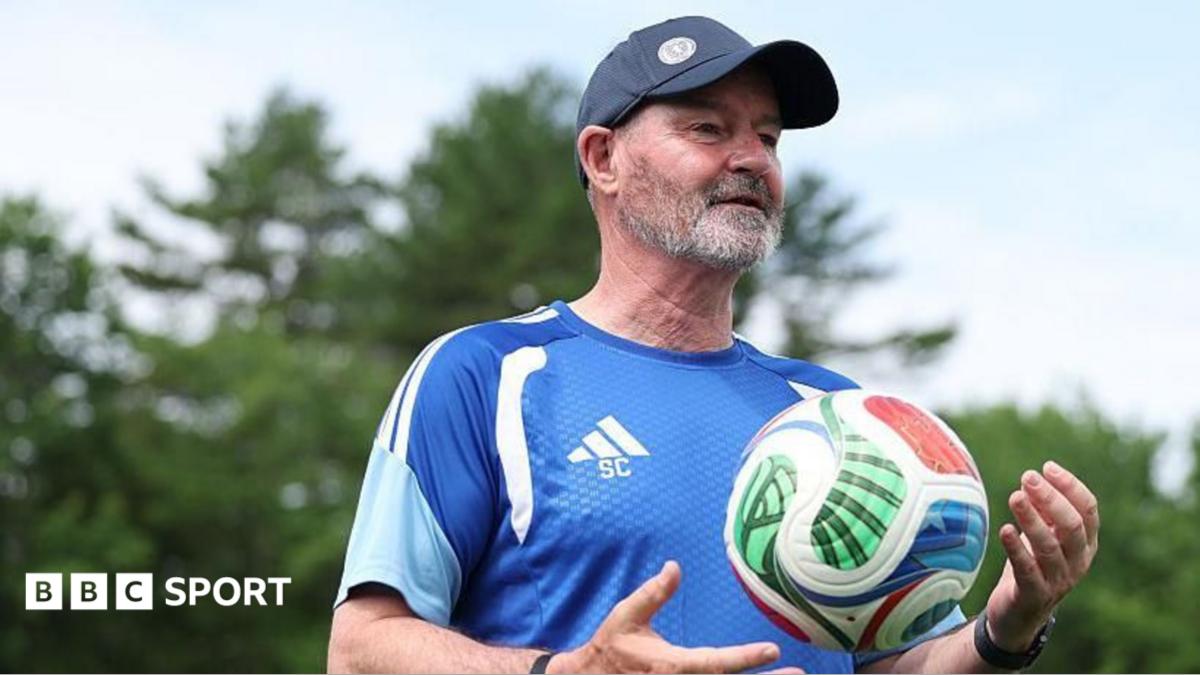
Scotland’s World Cup build-up appears to be taking on a noticeably different tone, with BBC reporting pointing to a lighter, more relaxed atmosphere inside Steve Clarke’s camp. That matters because international tournaments are often shaped not only by tactics and selection calls, but by the emotional state of a squad arriving together for a short, high-pressure window.
The headline detail from the BBC’s report is the sense of a culture shift. Clarke, long associated with structure, discipline and clarity of role, is being presented here in a slightly different light: one that suggests more openness, more personality and a camp environment that is allowing players to breathe. For supporters, that is encouraging. A national team can only go so far on organisation alone; the best tournament sides usually combine control with confidence and a shared identity.
A different mood in the Scotland camp
The report’s references to “cartwheels at breakfast” and players “kicking about Boston” point to a squad that is not simply going through the motions. Even without over-reading the imagery, the implication is clear: Scotland are trying to build cohesion through a more relaxed daily rhythm. That can be especially valuable in international football, where players arrive from different clubs, different systems and different emotional states.
Clarke’s challenge is to keep that looseness from becoming complacency. The best camps find the balance between intensity and enjoyment. Too much tension can flatten a squad; too much freedom can dilute the edge required at tournament level. If Scotland are indeed embracing a more expressive environment, the key question is whether that translates into sharper performances when the competitive pressure rises.
Why this matters tactically and psychologically
From a tactical perspective, a settled and upbeat camp can help Scotland execute a clear game plan more effectively. When players trust the environment, they tend to process instructions faster and make better decisions under pressure. That is particularly important for a team likely to rely on compact organisation, quick transitions and collective discipline against stronger opposition.
Psychologically, the shift could be just as important. Scotland supporters have seen enough campaigns to know that momentum can be fragile. A positive camp does not guarantee results, but it can create the conditions for resilience when matches become difficult. If Clarke is indeed managing a more open atmosphere, it may be a sign that he believes this group is mature enough to handle a less rigid approach.
For now, the BBC’s report offers an early glimpse of a squad trying to arrive at the World Cup with energy rather than anxiety. That is not a trophy-winning story in itself, but it is often the kind of detail that separates a flat campaign from one that feels alive. For Scotland fans, that alone is worth watching closely.
Source: BBC Sport
Source note: This article was prepared using publicly available information from BBC Sport and expanded with editorial context.
Share this content: