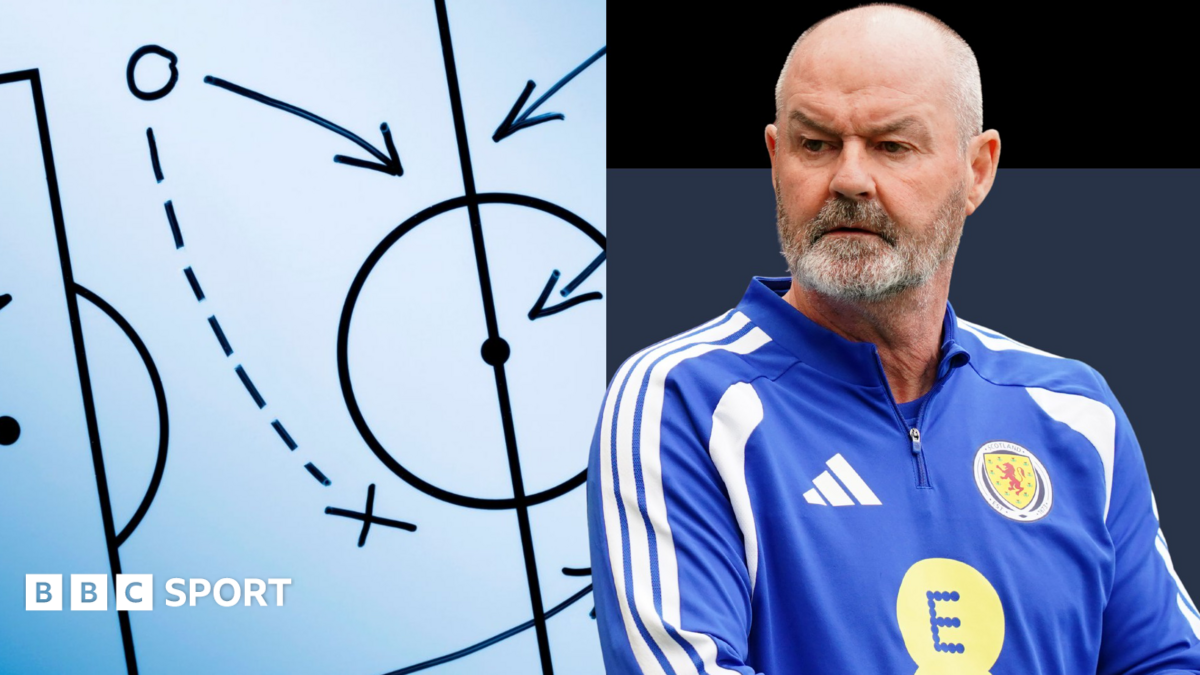
Scotland’s upcoming meeting with Brazil is being presented as more than just another international fixture. According to the BBC source, Wednesday’s game could be the most significant in the history of the men’s national team, a framing that underlines both the scale of the occasion and the pressure on Steve Clarke’s selection choices.
For supporters, the attraction is obvious. Matches against elite opposition are rare enough, but a meeting with Brazil carries a different weight entirely. It is the kind of fixture that tests a team’s structure, discipline and confidence, while also offering a benchmark for where Scotland stand against one of world football’s most recognisable names. Even without the full detail of Clarke’s final XI, the fact that the discussion is already centred on “big calls” tells its own story: this is a night where tactical balance may matter as much as individual talent.
Why this match matters for Scotland
From a footballing perspective, games like this often reveal more than routine qualifying or tournament fixtures. Scotland will need to manage moments without the ball, stay compact between the lines and avoid giving Brazil the kind of space that can quickly turn a contest. That makes Clarke’s team selection especially important. The choices he makes will shape whether Scotland can compete through organisation and intensity, or whether they are forced too deep for too long.
There is also a broader significance for the national side. High-profile friendlies and showcase matches can influence confidence, public perception and the mood around a squad. For a team like Scotland, a strong performance against Brazil would not just be a result to remember; it would reinforce the idea that the side can stand up to top-level opponents and carry that belief into future international campaigns.
Clarke’s selection dilemma
The BBC piece focuses on Clarke’s “big calls,” which suggests the discussion is not simply about filling positions but about deciding the right blend of experience, athleticism and tactical discipline. Against a team of Brazil’s quality, those decisions can define the shape of the match. A more conservative setup may help Scotland stay in the contest longer, while a bolder approach could create opportunities but also expose space.
For fans, that tension is part of the appeal. These are the matches where every selection feels magnified and every tactical adjustment can alter the tone of the night. Scotland’s task is not only to survive the occasion, but to use it. Whether Clarke opts for caution or ambition, the game offers a chance to measure progress against elite opposition and to give supporters a performance that matches the significance of the fixture.
With the BBC source highlighting the scale of the occasion and the importance of Clarke’s decisions, this is clearly a story that goes beyond a standard international preview. It is about identity, ambition and the challenge of turning a landmark fixture into something more than a ceremonial meeting.
Source note: This article was prepared using publicly available information from BBC Sport and expanded with editorial context.
Share this content: