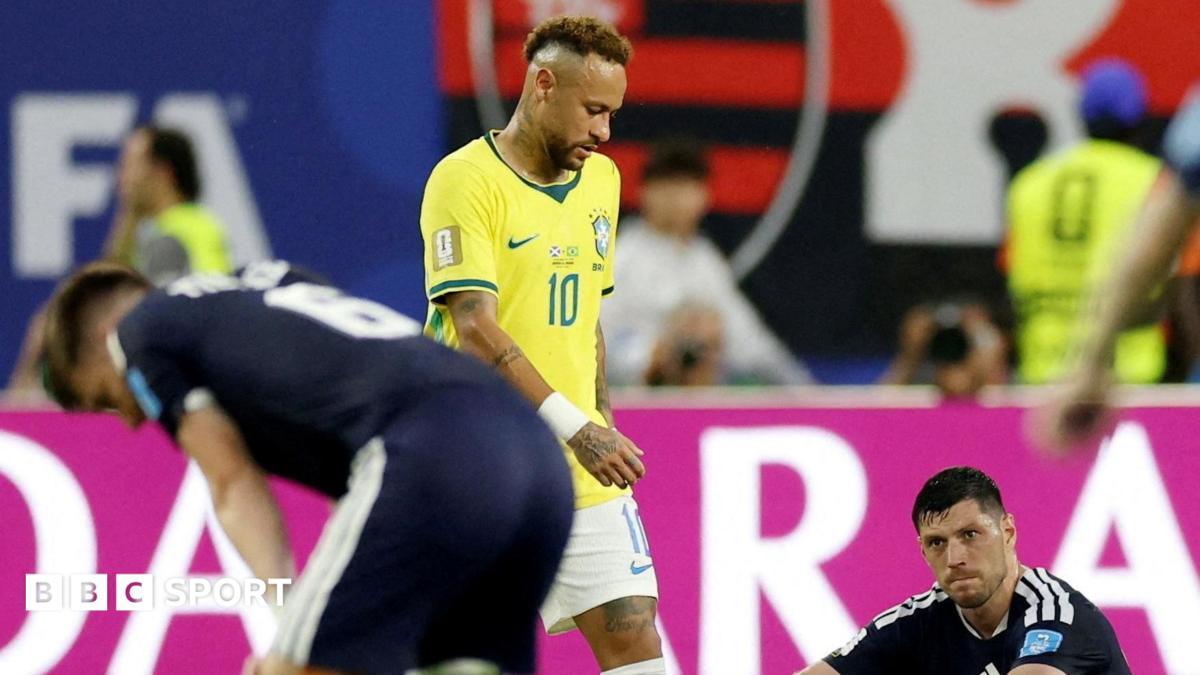
BBC Sport’s latest Scotland discussion lands on a question that has followed the national team for years: if Scotland reach the World Cup, can they do more than simply take part? The framing is blunt, but it reflects a wider truth about how supporters and analysts judge this side. Qualification is one challenge; competing with conviction once there is another entirely.
For Scotland, that distinction matters. International football is often measured by moments rather than long stretches of control, and teams with limited margin for error can quickly find themselves exposed against stronger opposition. That is why the debate around Scotland is not just about whether they can qualify, but whether they possess the tactical discipline, physical resilience and attacking edge to trouble elite opponents when it matters.
Why the World Cup question matters for Scotland
The World Cup is the stage where national teams are defined. For Scotland, any appearance would carry emotional weight for supporters who have lived through long cycles of near misses, frustration and rebuilding. But the expectation has changed over time. Fans no longer want qualification to be treated as the finish line. They want evidence that the team can compete with structure, intensity and belief.
That is where the conversation becomes more nuanced. Scotland have often been at their best when compact, organised and difficult to break down. Yet the step up to World Cup level usually punishes sides that cannot turn defensive stability into enough threat in transition or from set pieces. In that sense, the question is not simply whether Scotland are ‘good enough’ in a broad sense, but whether their current identity translates against the best.
What supporters will take from the debate
For supporters, this kind of discussion can feel familiar and uncomfortable at the same time. It acknowledges progress, but it also exposes the gap that still exists between being competitive in qualifying and being credible on the world stage. That gap is often decided by small details: game management, finishing, concentration and the ability to survive pressure without losing attacking ambition.
BBC Sport’s framing suggests the debate is less about hype and more about standards. If Scotland are to impress at a World Cup, they will need more than passion and organisation. They will need a clear plan for controlling key phases of matches and enough quality in decisive moments to turn tight contests in their favour. Until then, the question remains open — and it is one that will continue to shape how the team is judged by its own fans.
For now, the story is not about a definitive answer. It is about whether Scotland can bridge the final, most difficult step from being a team that belongs in the conversation to one that can genuinely leave a mark on the tournament.
Source note: This article was prepared using publicly available information from BBC Sport and expanded with editorial context.
Share this content: