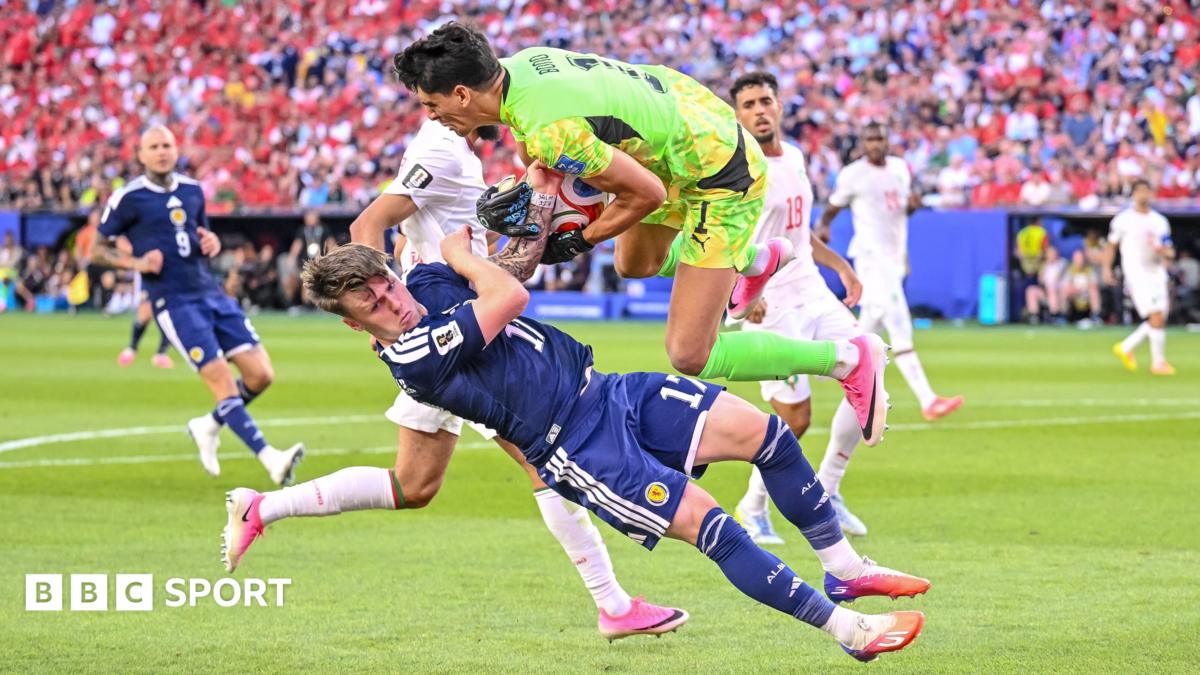
BBC analysis of Scotland’s latest performance frames Steve Clarke’s side as a team that may not always be expansive, but is increasingly difficult to shake off. That matters because Scotland have spent much of Clarke’s tenure under pressure to prove they can do more than simply stay in games; they have been asked to show they can control them, survive them and, when needed, win them through discipline rather than flair.
The headline assessment — flawed but relentless — captures the central tension around this Scotland team. Clarke has long been criticised for caution, yet the same conservatism has also helped build a side that understands its limits and plays within them. In tournament football, that can be a strength. For supporters, the question is no longer only whether Scotland can entertain, but whether they can be trusted to compete when margins are tight and the stakes rise.
Why Scotland’s mentality matters
What stands out from the BBC’s framing is the suggestion that Scotland have become a team with substance. That is not the same as perfection. It implies a side capable of absorbing setbacks, staying organised and continuing to push even when the game becomes messy. For a national team often judged against bigger footballing nations, that kind of resilience can be the difference between another near miss and a meaningful run.
Clarke’s approach has always invited debate because it asks supporters to accept pragmatism as a route to progress. But the broader tactical reality is that international football often rewards structure, timing and emotional control. Scotland’s ability to remain competitive without playing at full tilt every minute may frustrate some observers, yet it also suggests a team with clearer identity than in previous cycles.
What it means for supporters and the World Cup picture
The World Cup context gives this analysis extra weight. Scotland’s path in major tournaments is shaped as much by mentality as by talent, and the BBC piece implies that Clarke’s group is developing the kind of hard edge required to navigate pressure. That is encouraging for fans who have watched too many promising campaigns fade when games turned against them.
There is still a limit to how far caution alone can take a side, and Scotland will need quality in key moments to turn resilience into results. But the bigger takeaway is that this is no longer a team defined only by what it lacks. If Clarke’s Scotland can keep combining organisation with persistence, they may be building the kind of foundation that makes them harder opponents and more credible contenders in the matches that matter most.
For supporters, that is a meaningful shift. A flawed team can still be a dangerous one if it refuses to fold. BBC’s assessment suggests Scotland are moving into that territory.
Source note: This article was prepared using publicly available information from BBC Sport and expanded with editorial context.
Share this content: