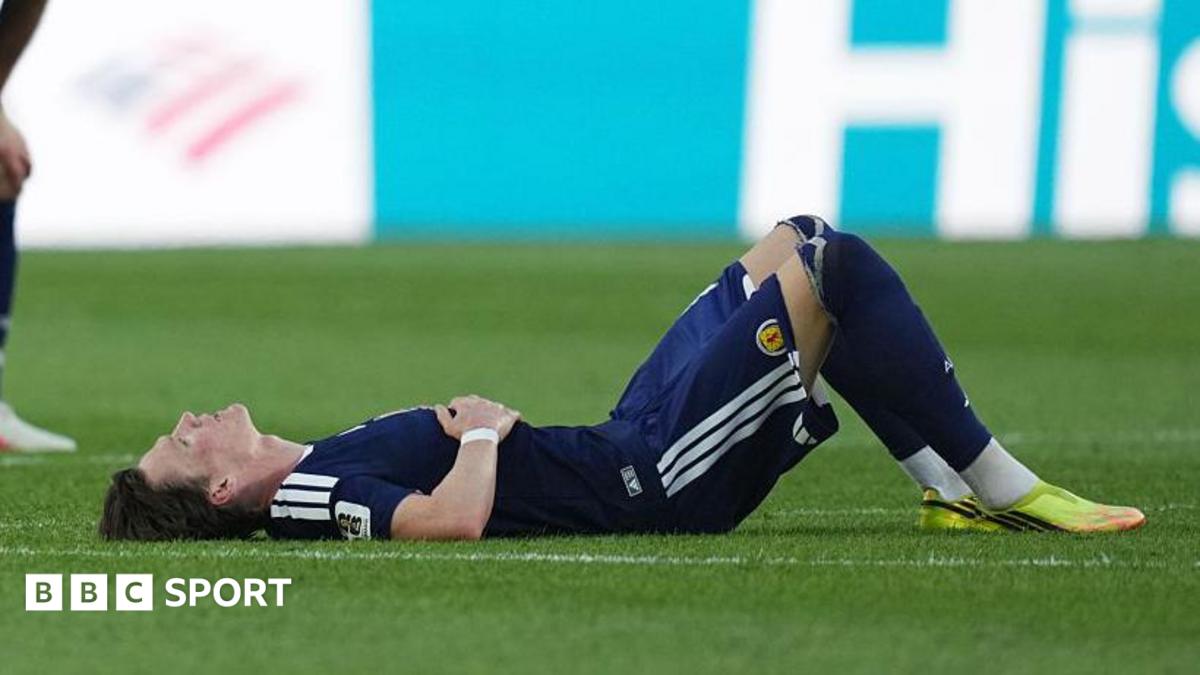
Scotland’s latest World Cup chapter has ended in a way that feels as heavy as it is familiar: not with a dramatic collapse, but with a slow extinguishing of hope. According to the BBC source, the mood around the team was “pitiful” as the lights went out on a campaign that left supporters with more frustration than optimism.
For a national side that has spent long stretches trying to turn progress into tangible tournament success, the emotional damage matters almost as much as the result itself. Scotland have often been judged not only on qualification outcomes, but on whether they can build a team that looks composed and competitive when the pressure rises. This latest ending suggests that, once again, the gap between aspiration and achievement remains painfully wide.
A bleak ending with wider consequences
The source frames the aftermath as especially grim, pointing to the lack of life in the response after the final disappointment. That matters because international football is not only about one match or one tournament; it is about momentum, belief and the sense that a national project is moving somewhere meaningful. When that feeling disappears, the consequences can last well beyond the final whistle.
Steve Clarke’s eventual resignation on Saturday adds another layer to the story. Whether viewed as an admission that the cycle had run its course or as a necessary reset, his departure signals that Scotland are entering a period of reflection. For supporters, that usually means familiar questions: what style should the team play, how much continuity is needed, and who can finally turn decent spells into a sustained tournament presence?
What it means for Scotland supporters
For Scotland fans, the disappointment is not simply that a World Cup story ended badly. It is that the ending felt drained of the energy and conviction that supporters want to see from their national side. That can make the rebuild harder, because the next phase has to restore trust as well as results.
From a footballing perspective, the next manager or coaching structure will need to address more than morale. Scotland’s challenge is likely to be tactical as much as psychological: finding a way to be more secure without becoming passive, and more ambitious without losing structure. International football rewards teams that can survive difficult moments and still impose themselves, and that balance has been elusive.
There is also a broader lesson for the national setup. Tournament football often exposes whether a team has enough depth, flexibility and leadership to cope when momentum turns. Scotland’s story, as described by the BBC, suggests those questions remain unresolved. The resignation of Clarke closes one chapter, but it does not answer the larger issue of how Scotland turn recurring disappointment into genuine progress.
For now, supporters are left with the same difficult mix of pride, frustration and hope that has defined so many Scotland campaigns. The task ahead is to make sure the next one feels different.
Source note: This article was prepared using publicly available information from BBC Sport and expanded with editorial context.
Share this content: