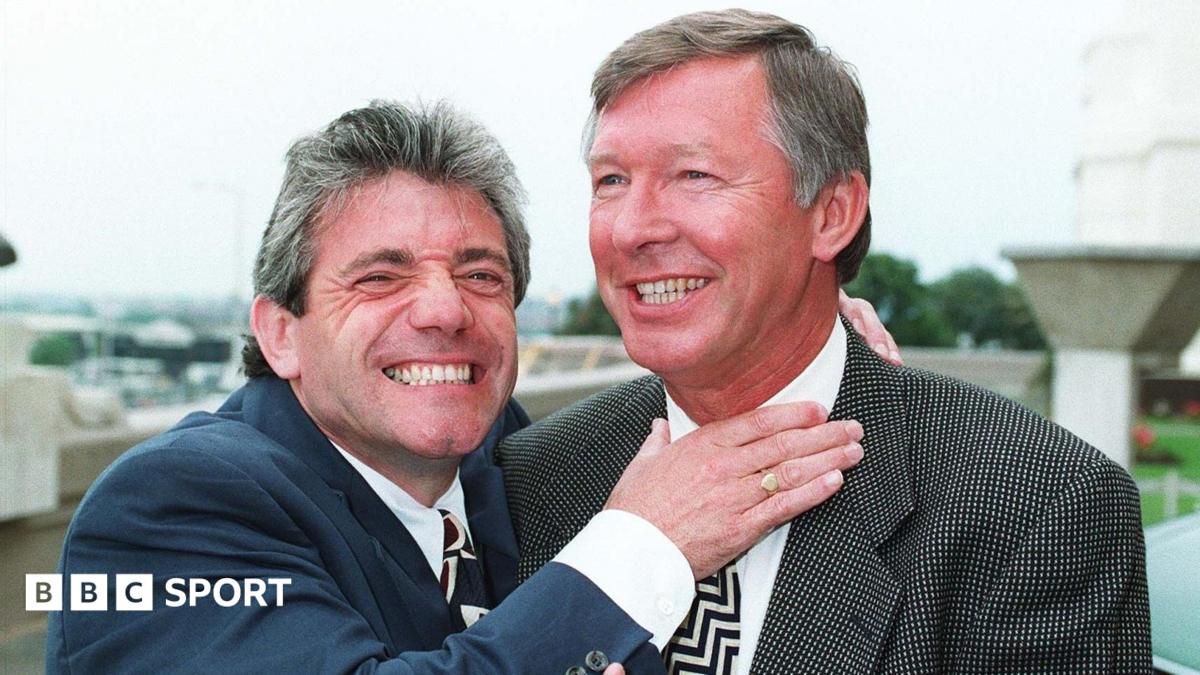
Sir Alex Ferguson’s tribute to Kevin Keegan is a reminder that some of football’s fiercest rivalries are built on mutual respect. The former Manchester United manager’s comments, reported by the BBC, reflect the standing Keegan still holds in English football: not only as a charismatic figure, but as a coach who helped shape one of Newcastle United’s most memorable modern sides.
Ferguson’s line that Keegan “carried the love of the game on his sleeve” captures why the former Newcastle boss connected so strongly with supporters. Keegan’s teams were often associated with ambition, energy and a direct emotional bond with the crowd, qualities that made Newcastle compelling to watch and difficult to ignore even for rivals. In a sport where managerial legacies are frequently reduced to trophies alone, this kind of recognition matters because it speaks to identity as much as results.
Why Keegan still matters to Newcastle supporters
For Newcastle fans, Keegan remains one of the defining names of the Premier League era. His influence went beyond tactics and selection. He represented a period when the club felt capable of challenging the established order, and his teams were remembered for attacking intent and a sense of belief that resonated deeply at St James’ Park. Ferguson’s praise underlines that legacy and shows how Keegan’s impact extended well beyond Tyneside.
That is especially relevant in the modern game, where clubs are often judged by short-term outcomes. Keegan’s reputation endures because he gave supporters a style and a mood they could identify with. Even without the source offering a wider match context or a new footballing development, the significance of Ferguson’s words is clear: this is a tribute to a manager whose emotional connection with the game became part of his footballing identity.
A rivalry shaped by respect as well as competition
Ferguson and Keegan were central figures in one of English football’s most intense managerial rivalries, but this latest reflection shows how time can soften the edges of those battles. For Manchester United supporters, Ferguson’s comments fit a familiar pattern of him acknowledging the quality of opponents who helped define an era. For Newcastle fans, the tribute offers another reminder that Keegan’s contribution is still recognised at the highest level of the sport.
In practical terms, the story is not about a transfer, a result or a tactical shift. Its value lies in what it says about football memory: the managers who leave the strongest impression are often those who create belief, identity and excitement. Keegan did that at Newcastle, and Ferguson’s praise reinforces why his name still carries weight whenever the club’s history is discussed.
For supporters, that is the real takeaway. Long after the rivalry has faded from the touchline, the respect remains — and so does the memory of a Newcastle side that Ferguson believes was Keegan’s greatest team.
Source note: This article was prepared using publicly available information from BBC Sport and expanded with editorial context.
Share this content: