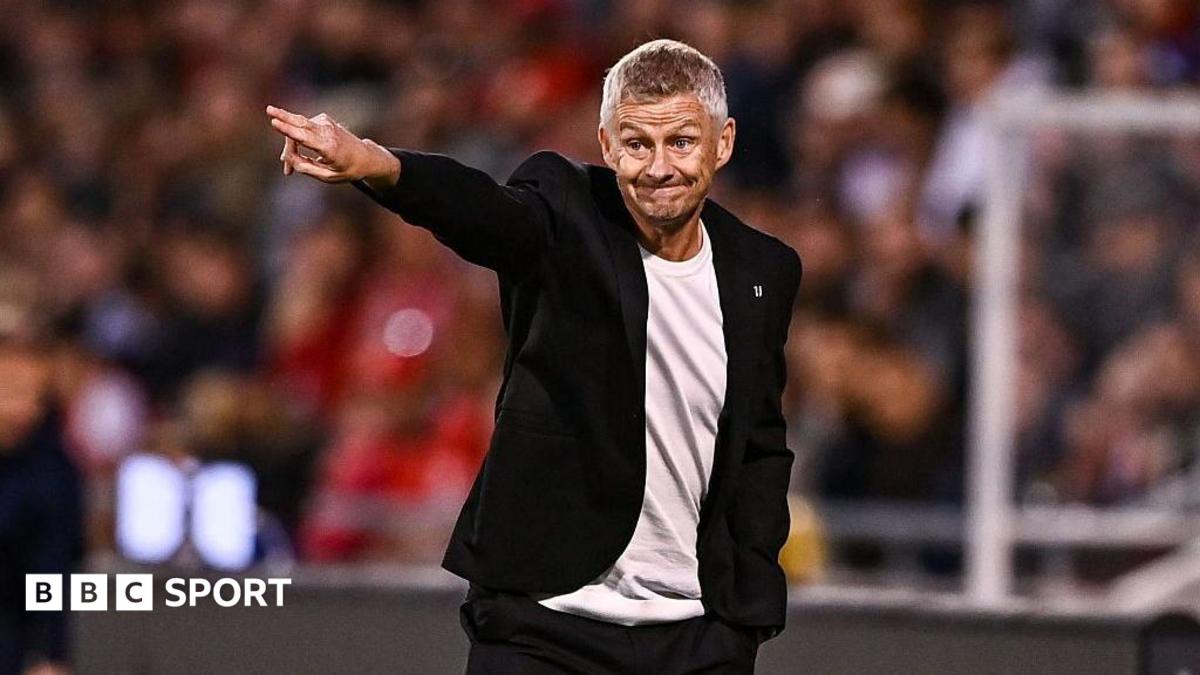
Ipswich’s managerial search has quickly become one of the more closely watched stories in English football, with Ole Gunnar Solskjaer and Gary O’Neil both understood to be among the leading candidates to take over at Portman Road. For a club that has been building momentum in recent seasons, the next appointment matters well beyond the short term: it will shape how Ipswich protect that progress and whether they can keep their upward trajectory intact.
The BBC report places Solskjaer high on the Tractor Boys’ list as they look to replace Kieran McKenna. That alone gives the story real weight. Solskjaer’s profile is instantly recognisable because of his time at Manchester United, where he managed a squad under intense scrutiny and was tasked with balancing expectation, identity and results. For Ipswich, that background could appeal if they want a coach with experience of handling pressure at a major club environment.
Why this search matters for Ipswich
McKenna’s exit creates a significant decision point for Ipswich. When a club loses a manager who has been central to its recent development, the replacement is rarely just about names on a shortlist. It is about continuity, dressing-room authority and whether the next coach can preserve the tactical and cultural foundations already in place. Supporters will be looking for reassurance that the club’s progress will not stall.
O’Neil’s presence on the list suggests Ipswich are considering more than one managerial profile. That is often a sign of a club weighing different routes: one candidate may offer a more familiar Premier League-level pedigree, while another may fit a different long-term vision. What matters most is that the next appointment aligns with the squad’s strengths and the club’s broader ambitions.
What Solskjaer would bring to Portman Road
Solskjaer’s name will inevitably draw attention because of the expectations that come with his reputation. He is associated with a calm public manner and a coaching career that has included managing elite players under pressure. For Ipswich, that could be attractive if the club want a figure capable of steadying the group while maintaining a positive atmosphere around the dressing room.
From a tactical perspective, any appointment will be judged on how quickly it can translate into results and whether it supports the style Ipswich have been trying to establish. A managerial change can alter pressing triggers, build-up patterns and the balance between control and directness. Those details matter because they affect not only performances, but also how quickly supporters buy into the new era.
For now, the key takeaway is simple: Ipswich are at an important crossroads, and Solskjaer’s inclusion on the shortlist ensures the process will attract significant attention. The club’s next move will tell supporters a great deal about the direction they intend to take after McKenna’s departure.
The quoted line in the source reflects McKenna’s own pride in the progress made and his optimism for the club’s future, underlining that Ipswich are not starting from scratch. That makes the managerial decision even more significant, because the next coach will inherit not a rescue job, but a project with expectations attached.
Source note: This article was prepared using publicly available information from BBC Sport and expanded with editorial context.
Share this content: