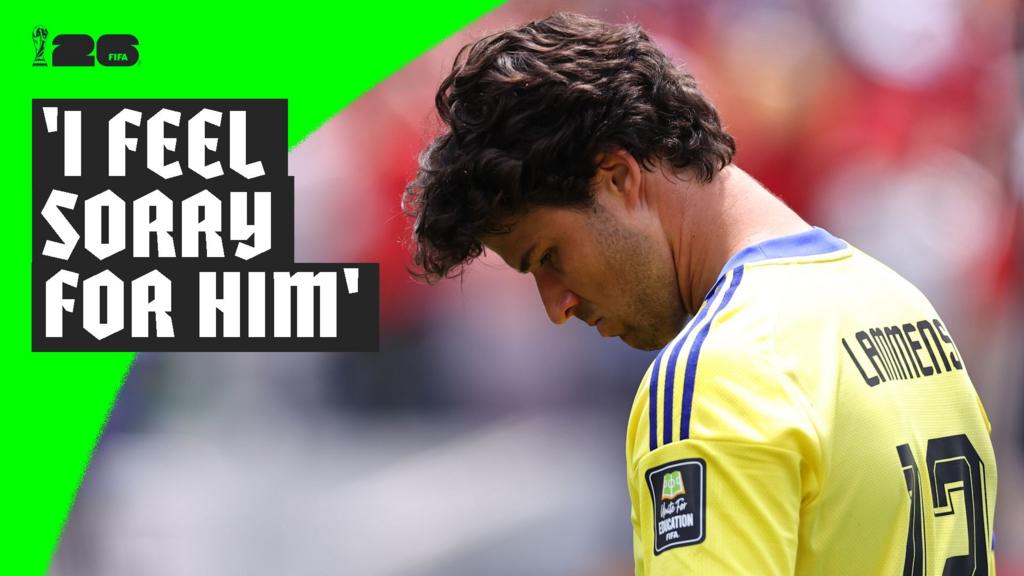
BBC Sport’s post-match analysis of Spain’s World Cup quarter-final in Los Angeles focused on a familiar but unforgiving theme: the difficulty of a goalkeeper being thrown into a game late and immediately asked to deliver under maximum pressure. In this case, substitute Belgium goalkeeper Senne Lammens was at the centre of the discussion after a mistake that helped Spain find the decisive goal.
A moment that can define a knockout tie
Micah Richards and Wayne Rooney used the incident to underline how little margin there is in knockout football. A goalkeeper who enters late is often stepping into a match that has already settled into a rhythm, with the tempo, emotional intensity and tactical patterns all established. That makes the first actions especially important. One error can become the difference between survival and elimination, particularly in a World Cup quarter-final where the stakes are at their highest.
For Belgium, the episode will sting because it came in a game where concentration and control were essential. For Spain, it was the sort of moment that tournament teams often need: not always a spectacular passage of play, but a decisive opening created by pressure, timing and the opponent’s mistake. In knockout football, those details matter as much as possession or territory.
Why the goalkeeper role is so exposed in late-game situations
The analysis also speaks to a broader tactical truth. Goalkeepers who come on as substitutes rarely have the luxury of settling in gradually. They must read the game instantly, communicate with a back line that may already be under stress, and deal with the psychological weight of knowing that every touch can be decisive. That is especially true in the closing stages of a tight match, when the game can turn on one misjudged decision.
For supporters, the incident is a reminder of how brutal tournament football can be. A team can defend well for long periods and still be undone by a single lapse. For Belgium fans, the focus will now be on how such a costly error happened and whether the team could have managed the situation differently. For Spain supporters, the takeaway is simpler: their side stayed alert long enough to punish the opening and move a step closer to the trophy.
BBC’s framing of the moment gives the story wider relevance beyond one mistake. It is about the pressure of elite knockout football, the unique demands placed on substitute goalkeepers, and the way a single error can shape the narrative of an entire World Cup tie.
Source: BBC Sport video analysis
Source note: This article was prepared using publicly available information from BBC Sport and expanded with editorial context.
Share this content: