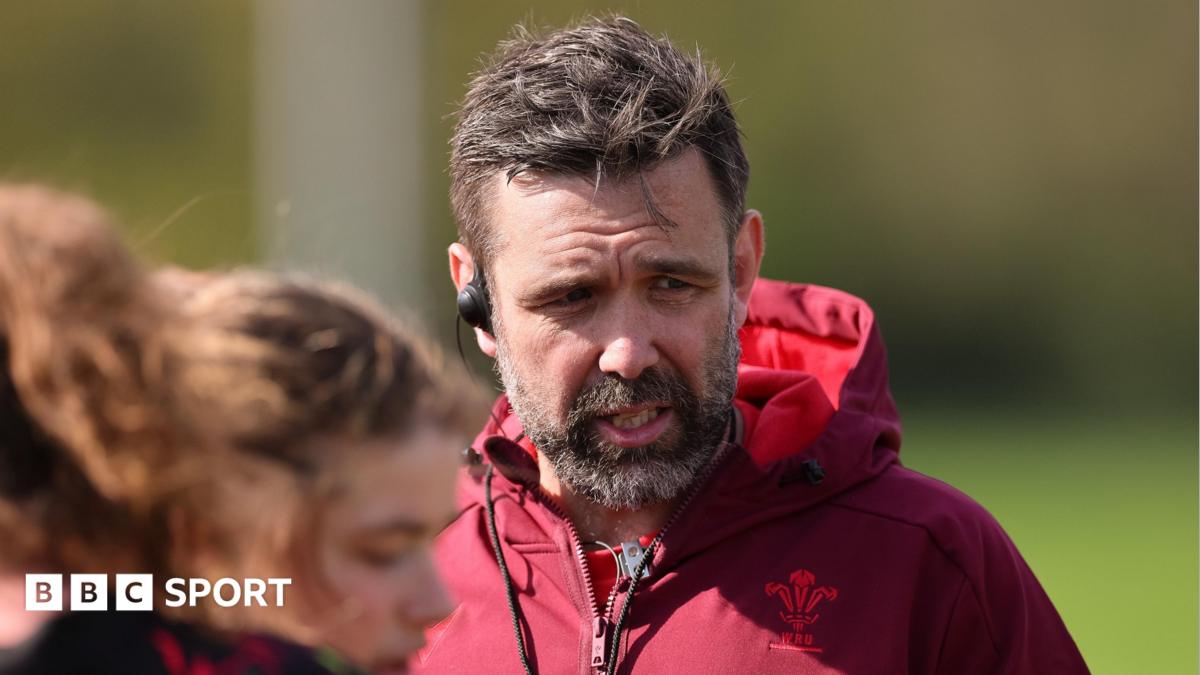
Steve Salvin’s move from Exeter to Wales is more than a simple coaching switch. For Exeter, it removes a figure from the staff just as the club begins a new chapter under American ownership. For Wales, it adds a full-time forwards specialist at a time when set-piece detail, contact-area efficiency and maul accuracy remain central to international performance.
What Salvin’s exit means for Exeter
Exeter’s timing makes this a significant moment. The club’s new owners are arriving with the promise of greater resources, and that usually brings expectation as well as opportunity. A coaching vacancy at this stage gives the Chiefs a chance to reshape their backroom structure, but it also creates pressure to make the right appointment quickly. In modern rugby, the forwards coach is not a peripheral role: scrum stability, lineout organisation and breakdown work can define a team’s identity.
For supporters, the immediate question is whether Exeter can use the ownership change to strengthen rather than simply replace. The Black Knight Rugby era is still in its early stages, and staff recruitment will be watched closely as a signal of ambition. A club with more financial flexibility is expected to be proactive, but continuity matters too, especially when a team is trying to build momentum around a clear playing style.
Why Wales gain from a full-time forwards coach
Wales securing Salvin on a full-time basis suggests a commitment to sharpening the detail in the pack. International rugby often turns on small margins, and a dedicated forwards coach can help improve cohesion in the tight exchanges that decide territory and possession. That is particularly relevant for a national side looking to maximise efficiency against elite opposition.
The move also underlines how coaching pathways now run across club and country in a more fluid way than before. For Salvin, the switch offers a different kind of challenge: less week-to-week club management, more concentrated international preparation. For Wales, it is a chance to deepen specialist work with the forwards group and build consistency in an area that can influence both attack and defence.
Exeter’s next appointment will therefore carry real weight. It is not just about replacing a coach; it is about setting the tone for the first major staffing decision of a new ownership era. If the club gets it right, the change could become an early marker of progress. If it gets it wrong, the departure will be remembered as the first test of the new regime.
Source note: This article was prepared using publicly available information from BBC Sport and expanded with editorial context.
Share this content: