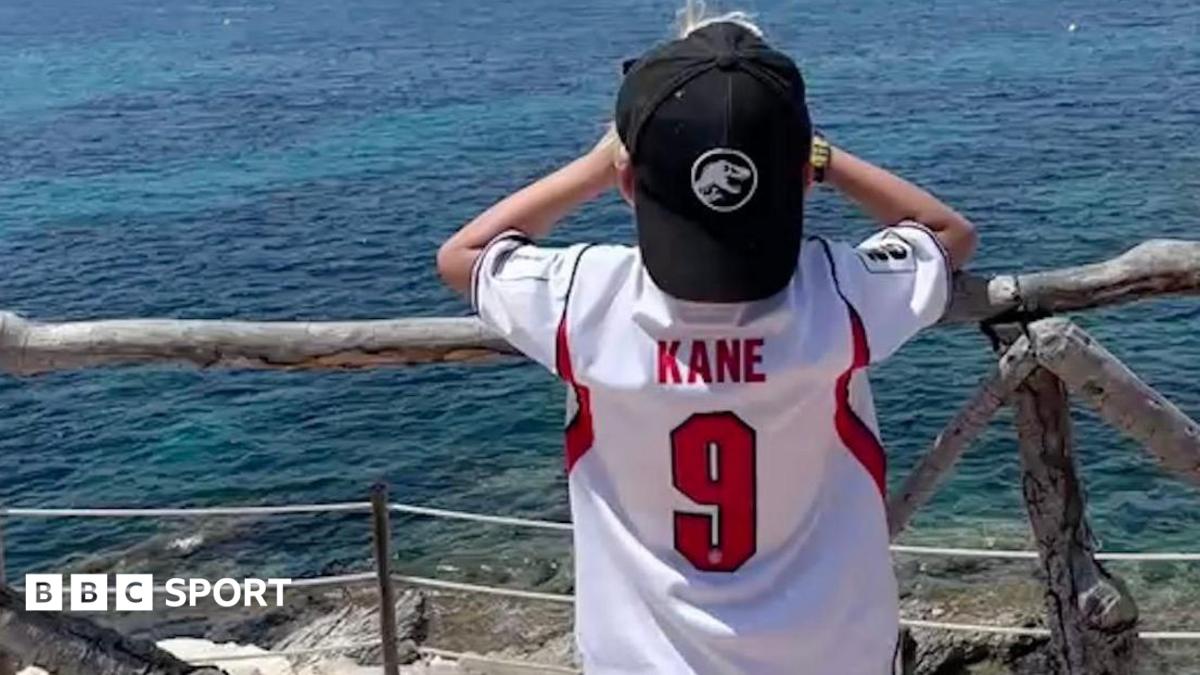
The World Cup has always been more than a football tournament. For many supporters, it is a time machine: a return to childhood summers, to the first time the scale of the game felt enormous, and to the players who seemed untouchable. BBC Sport’s latest feature, The beauty of sharing the first World Cup with your child, taps into that emotional power and asks what happens when that same sense of wonder is passed from one generation to the next.
That idea matters because the World Cup is one of the few sporting events that can still reshape how people experience football. Club loyalties may dominate the weekly rhythm of the season, but the tournament creates a different kind of memory. It is built on national identity, shared viewing, and the kind of moments that supporters remember long after the final whistle. When a parent watches a child discover that feeling for the first time, the event becomes both a sporting spectacle and a family milestone.
The World Cup as a generational memory
The source focuses on nostalgia, and that is central to why the World Cup remains so powerful. Older fans often remember the first tournament they followed as a collection of vivid images: the colours, the atmosphere, the stars, the feeling that football was bigger than everyday life. That emotional framing is not just sentimentality. It helps explain why the competition still commands such attention even in an era of constant football content and year-round coverage.
For younger supporters, the first World Cup can be a gateway into the sport’s wider history. It is often the first time they see the game presented as a global event rather than a domestic one. That can shape how they understand football’s scale, its rivalries, and its capacity to bring together different cultures and styles of play.
Why the tournament still matters to supporters
From an editorial perspective, the significance of this feature is that it reminds readers the World Cup is not only about results, tactics, or trophies. It is also about the emotional architecture of football fandom. Supporters do not just follow teams; they inherit memories, build rituals, and attach meaning to tournaments that arrive only every four years.
That is why sharing a first World Cup with a child can feel so special. It is a rare chance to watch the game’s biggest stage through fresh eyes while also revisiting the feelings that made football matter in the first place. In a sport increasingly shaped by analysis and instant reaction, the tournament still has the power to slow everything down and make the experience personal again.
BBC Sport’s feature is therefore less about one match or one nation than about the enduring appeal of football’s grandest event. The World Cup remains a cultural touchstone because it can connect generations, and that connection is part of what keeps the competition alive in the imagination of supporters around the world.
Source note: This article was prepared using publicly available information from BBC Sport and expanded with editorial context.
Share this content: