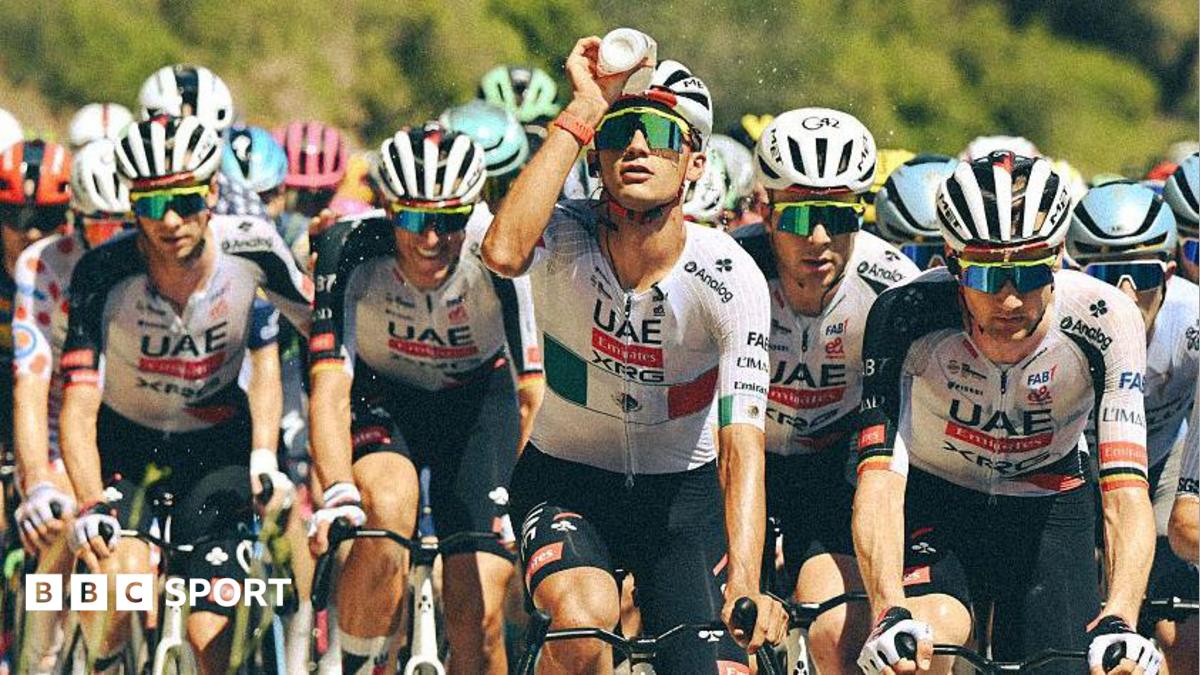
Tour de France organisers and local authorities are facing an unwelcome disruption early in the race, with fans urged to stay away from the finish of stage three because of wildfires in the south of France. It is a reminder that even the most established sporting events can be affected by conditions far beyond the peloton, and that safety considerations can quickly override the usual race-day atmosphere.
The warning matters not only for spectators but also for the broader logistics of the event. Grand Tour stages depend on controlled access, roadside crowds and a predictable flow of support vehicles, media and officials. When wildfire risk enters the picture, those routines can be altered at short notice, with implications for crowd management, emergency access and the overall presentation of the race.
Safety takes priority over spectacle
For supporters, the message is straightforward: the finish area is not the place to gather if authorities are advising against attendance. That may be disappointing for fans hoping to see the riders arrive in person, but the decision reflects the reality of staging a three-week race across varied terrain and changing weather conditions. In a country where summer heat and dry conditions can intensify fire risk, organisers have little choice but to respond conservatively when public safety is in question.
From a sporting perspective, the incident does not change the competitive stakes of the Tour itself, but it does affect the environment in which the race is being contested. Riders are used to adapting to road conditions, wind, heat and crowd pressure; however, disruptions around the finish can still influence the rhythm of a stage and the experience of the teams. For a race built on tradition and public engagement, any restriction on fan access is significant.
What it means for the Tour de France
Early-stage incidents like this can shape the tone of a Grand Tour. They serve as a practical test of how organisers balance spectacle with safety, especially when the race passes through regions exposed to environmental risk. The Tour de France is one of the world’s most visible sporting events, and any operational change is likely to draw attention well beyond cycling circles.
For supporters, the immediate takeaway is to follow official guidance rather than travel to the finish area. For the race, the hope will be that the stage can proceed without further disruption and that the focus returns to the competition on the road. But with wildfires affecting the south of France, the opening days of the Tour have already shown that external conditions can be just as influential as tactics, form and sprint finishes.
As the race continues, teams and organisers will be watching developments closely. In a sport where margins are often measured in seconds, the ability to keep the event safe and stable is just as important as what happens in the final kilometre.
Source note: This article was prepared using publicly available information from BBC Sport and expanded with editorial context.
Share this content: