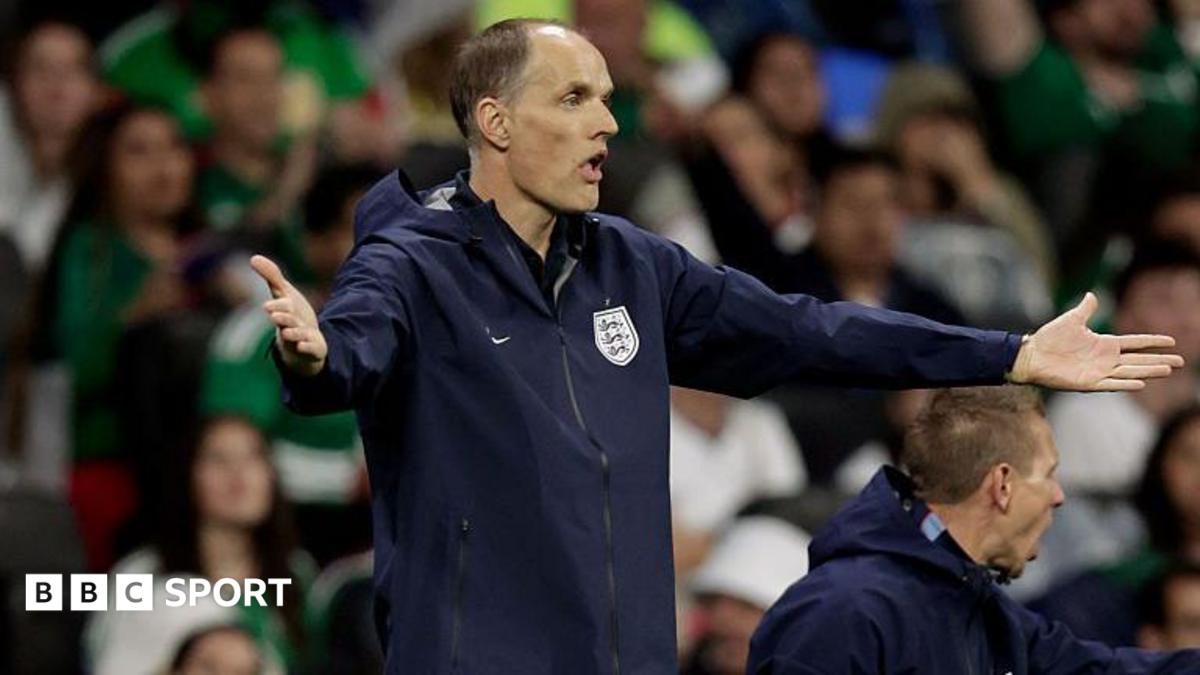
Thomas Tuchel’s public criticism of FIFA has put the World Cup disciplinary process under the spotlight, after the governing body opted not to ban Folarin Balogun. For supporters, the issue goes beyond one player or one decision: it raises a broader question about consistency, transparency and whether tournament discipline is being applied in a way that teams can properly understand and plan for.
Tuchel’s complaint, as reported by the BBC, centres on what he described as “total confusion” around how disciplinary cases are being handled. That matters because World Cup tournaments are often decided by fine margins, and the availability of a key attacker can shape not only a team’s selection but also its tactical approach, pressing structure and in-game substitutions. When the process itself becomes a talking point, it can distract from the football and create uncertainty for coaches and players alike.
Why the Balogun decision matters
Folarin Balogun avoiding a ban is significant because disciplinary rulings at major tournaments are expected to be clear, consistent and easy to follow. When that does not appear to be the case, it can leave managers feeling that they are preparing without a stable framework. For England, and for any side watching closely, the concern is not only the outcome of one ruling but the precedent it may set for future cases.
In tournament football, discipline is not just about punishment after the fact. It affects squad management, risk assessment and how aggressively a coach can ask players to defend, challenge and disrupt opponents. If there is uncertainty around what will or will not trigger a ban, that uncertainty can influence team selection and the way matches are approached.
What this means for England and the wider tournament
Tuchel’s comments also reflect a wider frustration that often surfaces at major international competitions: the belief that rules should be applied in a way that is both firm and understandable. Supporters tend to accept controversial decisions more readily when the process is clear. What damages confidence is the sense that outcomes are difficult to predict, or that the disciplinary line is shifting from one case to the next.
For England, the immediate footballing impact is limited to the debate itself, but the longer-term effect could be more important. If coaches begin to question the reliability of FIFA’s disciplinary system, it adds another layer of tension to an already high-pressure tournament environment. And for fans, it is a reminder that World Cup drama is not always confined to the pitch.
The BBC report does not provide further details of the underlying incident, but the reaction from Tuchel is enough to ensure the issue remains live. In a competition where every selection decision matters, clarity from the authorities is not a luxury. It is part of the competitive balance.
Source note: This article was prepared using publicly available information from BBC Sport and expanded with editorial context.
Share this content: