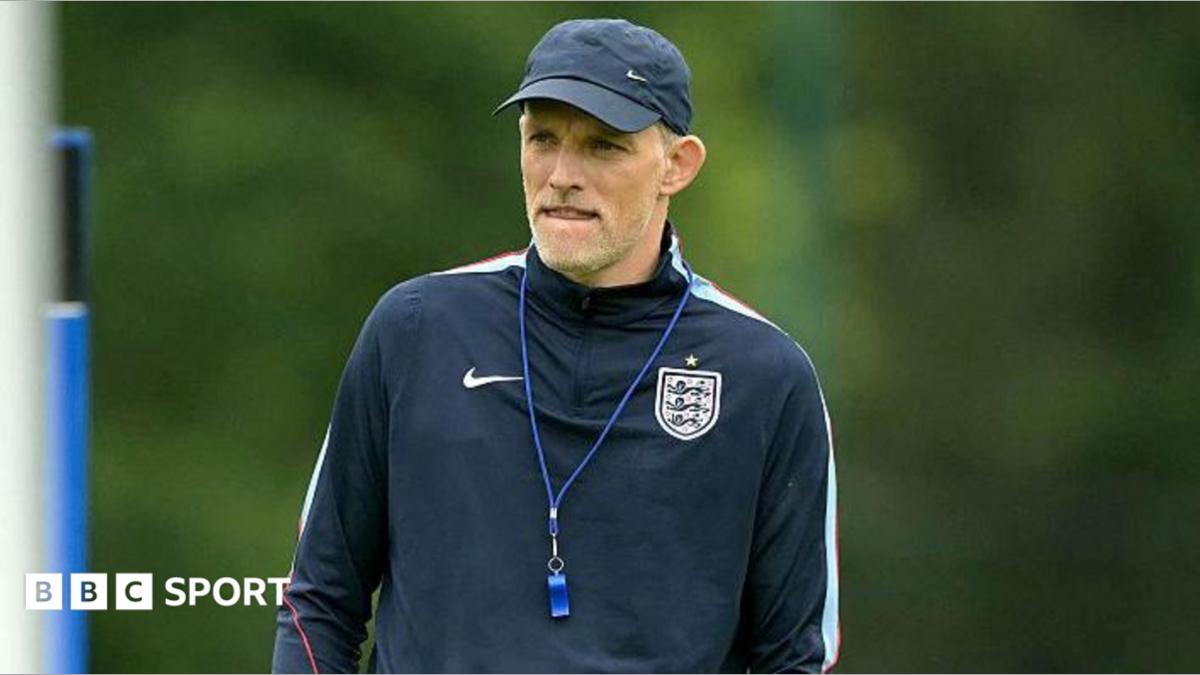
Thomas Tuchel has made his view clear on one of the World Cup’s more debated in-game measures: he is not a fan of the hydration breaks being used in the tournament. The England head coach’s comments add another layer to the wider discussion about how elite football is being managed in hot conditions, where player welfare, rhythm and tactical control can all pull in different directions.
Hydration breaks are designed to protect players when temperatures rise, but they also interrupt the flow of matches. For coaches, that can be a mixed blessing. A pause can help reset a team that is under pressure, yet it can also break momentum for the side that is on top. Tuchel’s stance suggests he sees the downside as significant, particularly in a tournament where small shifts in tempo can decide knockout games.
Why the breaks matter tactically
From a footballing perspective, the issue is not simply about comfort. Modern international teams spend huge amounts of time preparing pressing triggers, transition patterns and set-piece routines, all of which depend on rhythm. A forced stoppage can blunt a high press, allow opponents to reorganise, and reduce the intensity that some teams rely on to create chances.
For England, that is especially relevant because tournament football often hinges on control. If Tuchel wants his side to dominate possession or sustain pressure in phases, any interruption becomes part of the tactical equation. Supporters may not see hydration breaks as decisive on their own, but in a tight World Cup match they can influence the pace, the emotional temperature and the way a game unfolds.
What it means for England and the tournament
Tuchel’s comments also reflect a broader managerial reality: coaches are increasingly expected to balance performance with player welfare. That tension is likely to remain central throughout the World Cup, particularly if matches are played in conditions that make cooling breaks unavoidable.
For England fans, the immediate takeaway is that their head coach is already thinking about the practical challenges of tournament football, not just the headline names or formations. It is a reminder that success at this level is often shaped by details outside the usual tactical board — including how teams cope with interruptions, recover their intensity and stay mentally sharp after a pause.
The BBC report does not suggest Tuchel’s view will change the policy, but it does underline a familiar truth in international football: even a brief stoppage can become a strategic issue when the margins are this fine.
Source note: This article was prepared using publicly available information from BBC Sport and expanded with editorial context.
Share this content: