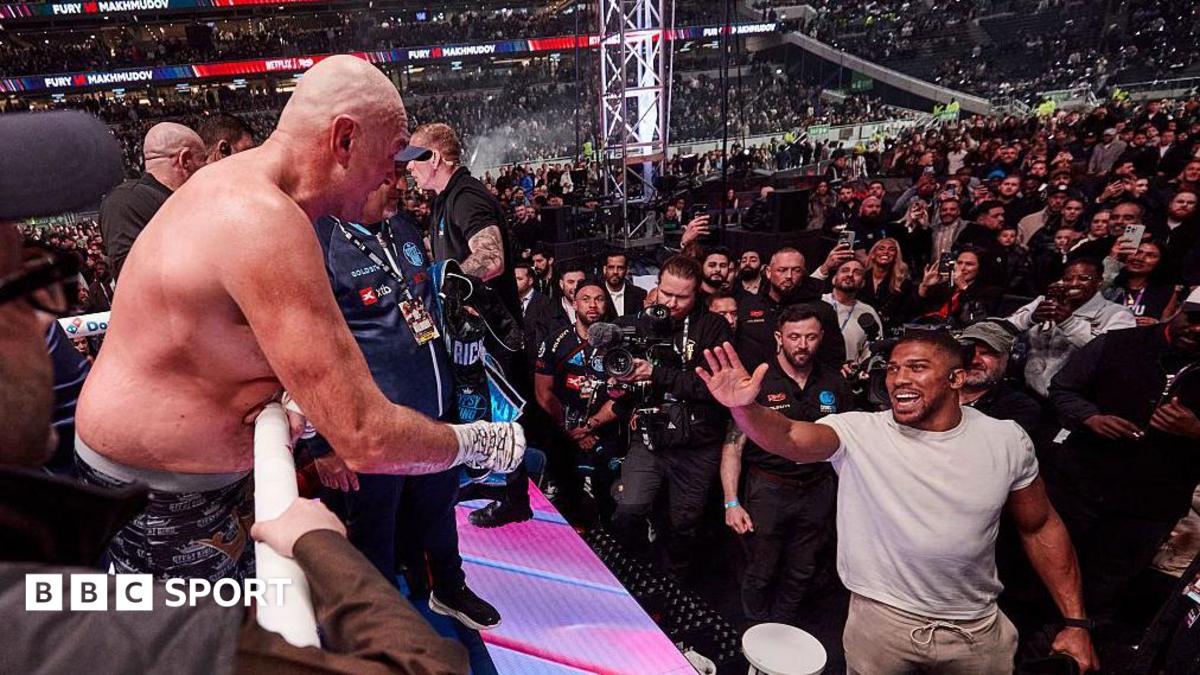
The long-discussed heavyweight meeting between Tyson Fury and Anthony Joshua remains one of boxing’s biggest commercial and sporting possibilities, but the latest update underlines how much logistics can shape elite fight planning. According to Turki Alalshikh, the bout would only be staged at Wembley Stadium if local authorities approve a later-than-usual start time, a condition designed to make the event more suitable for viewers in America.
That detail matters because Fury-Joshua is not just another domestic showdown. It is the kind of fight that would draw global attention, and the broadcast window is as important as the venue itself. For British supporters, Wembley offers the scale and symbolism expected of a major all-British heavyweight clash. For promoters, however, the United States remains a crucial market, and the timing of a live event can have a direct impact on television value, sponsorship, and overall reach.
Why the start time matters
Heavyweight boxing has always been shaped by timing, but modern event planning has made the issue even more significant. A prime-time slot in the UK can mean an awkward viewing hour in the US, while a schedule built around American audiences can push the main event later than local authorities typically prefer. Alalshikh’s comments suggest that any Wembley staging would need to balance those competing demands before the fight can be confirmed.
For fans, that creates both hope and uncertainty. Wembley would provide a fitting stage for two of Britain’s most recognisable heavyweight names, yet the conditions attached show that the fight is still dependent on practical approvals rather than just sporting appetite. Until those details are resolved, the matchup remains in the category of major possibility rather than completed deal.
What it means for Fury and Joshua
From a sporting perspective, the timing issue is another reminder that Fury-Joshua is as much a business negotiation as a boxing contest. Both men have spent years at the centre of heavyweight discussion, and supporters have repeatedly been left waiting for the fight to move from speculation to reality. Any progress now will likely depend on whether the event can be structured in a way that satisfies broadcasters, organisers and local officials at the same time.
For now, the key takeaway is straightforward: Wembley remains in the frame, but only if the schedule can be adjusted to suit the wider market. That makes the next stage of talks important not only for the fighters, but also for fans who have waited a long time to see whether this heavyweight pairing can finally be made.
Source note: This article was prepared using publicly available information from BBC Sport and expanded with editorial context.
Share this content: