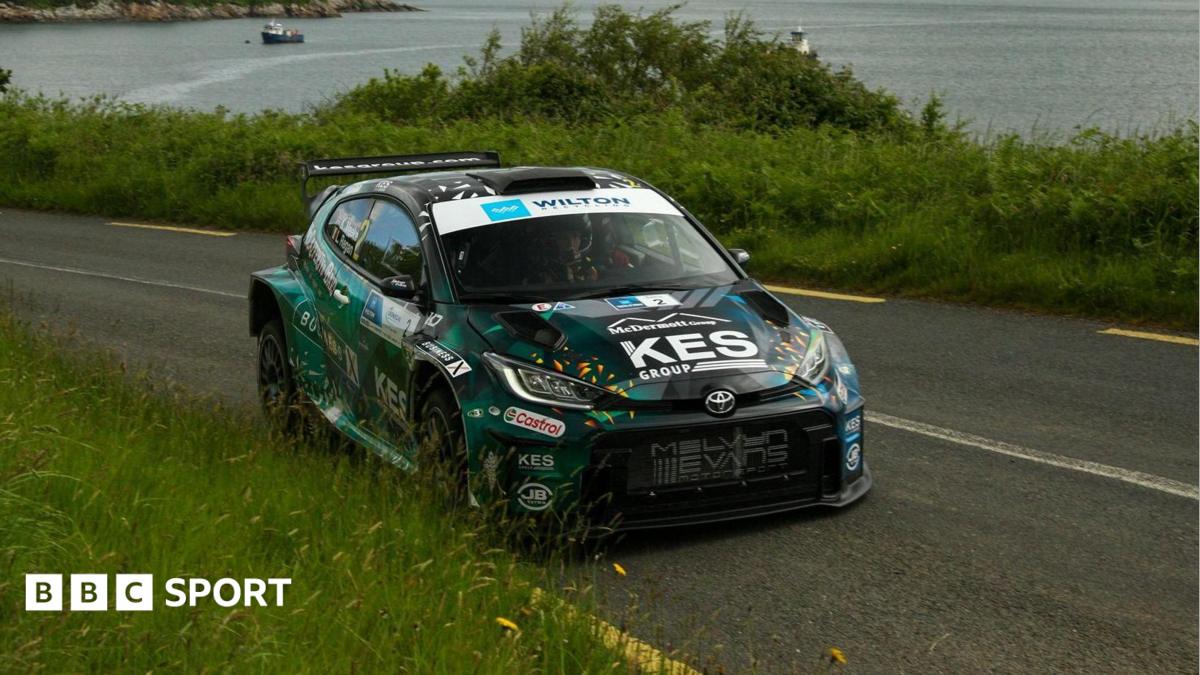
The Donegal International Rally was disrupted on Saturday after an accident led to two spectators being taken to hospital and forced organisers to cancel the final two stages of the day. The incident brought an abrupt end to the afternoon’s action and shifted attention away from the competition itself to the immediate priority of safety and medical response.
For rally organisers, any incident involving spectators is a serious reminder of how quickly motorsport can change from a sporting contest into an emergency situation. Rallying is staged on closed roads but still places fans close to the action, which makes crowd management, marshals, and safety zones central to the running of an event of this scale. When an accident affects spectators, the response is not only about the drivers and cars, but also about protecting the public and assessing whether the route can continue safely.
What the cancellation means for the rally
Calling off the final two stages is a significant decision, especially in a rally where every stage can affect overall standings and class positions. It suggests organisers judged that continuing would not be appropriate after the accident, either because of the location, the condition of the stage, or the need to focus on the emergency response. For competitors, that can mean a sudden change to the competitive picture, with times and margins frozen before the day’s full schedule was completed.
For supporters, the cancellation is a disappointment, but it is also a clear sign that safety takes precedence over sporting outcome. Rally fans are accustomed to weather delays, road issues and red flags, but an incident involving spectators always carries a different weight. The priority becomes the welfare of those injured and the wider reassurance that the event is being handled responsibly.
Safety remains central in rallying
Donegal has long been one of the best-known events on the Irish rally calendar, attracting large crowds and strong local interest. That popularity is part of what gives the event its atmosphere, but it also increases the challenge of keeping spectators in safe areas while maintaining the close-up experience that makes rallying unique. Incidents like this underline why organisers continue to invest in route planning, barrier placement, and marshal guidance.
At this stage, the BBC report confirms only that two spectators were hospitalised and that the remaining Saturday stages were cancelled. Further details about the accident were not included in the source, so any wider conclusions would be premature. What is clear is that the event’s focus has shifted from competition to recovery, investigation, and the safe management of the remainder of the rally.
For those following the Donegal International Rally, the immediate concern is the condition of the injured spectators and the implications for the rest of the weekend. In motorsport, results matter, but moments like this are a reminder that safety and responsibility always come first.
Source note: This article was prepared using publicly available information from BBC Sport and expanded with editorial context.
Share this content: