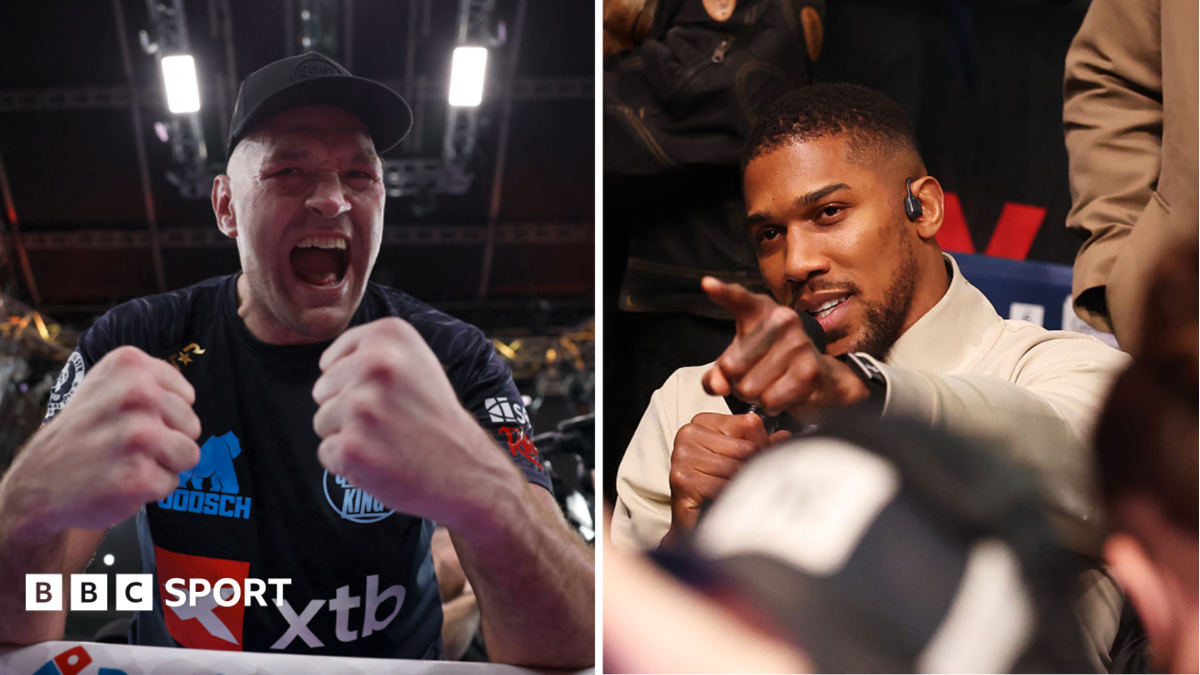
A proposed heavyweight showdown between Tyson Fury and Anthony Joshua could be staged in the early hours of the morning at Wembley Stadium, according to BBC Sport. Even in the thinly reported form of the story, the detail matters: a fight of this scale would not be treated like a routine domestic event, but as a global television product shaped by international audiences, broadcast windows and commercial leverage.
For supporters, the headline is less about a confirmed fight date and more about what the scheduling hint says about the size of the occasion. Fury and Joshua remain two of the most recognisable names in British boxing, and any meeting between them would carry years of anticipation, rivalry and unfinished business. A late-night or overnight start would be unusual for fans in the UK, but it would also underline how heavyweight boxing increasingly bends around worldwide viewing habits.
Why the timing matters
An overnight slot at Wembley would be a practical response to the demands of a major event that could attract viewers well beyond Britain. In boxing, start times are often dictated by television markets rather than local convenience, especially when promoters want the main event to land at a prime hour in the United States. That can leave British fans watching in the early hours, but it also reflects the financial scale required to stage a fight of this magnitude.
Wembley would be a fitting venue if the bout is eventually confirmed. The stadium has hosted some of the biggest nights in British sport, and a Fury-Joshua fight would be one of the rare occasions where the venue’s size, symbolism and transport links all align with the scale of the occasion. For both fighters, the setting would add another layer of pressure: a domestic super-fight in front of a huge crowd, with the atmosphere likely to be as significant as the action in the ring.
What it means for Fury and Joshua
At this stage, the key point is that the fight is still described as proposed. That means supporters should treat the report as a strong indicator of planning rather than a final announcement. Still, the fact that BBC Sport says the bout could be held overnight suggests serious discussions are taking place around how to make the event commercially viable.
For Fury, Joshua and their teams, the logistics would be part of the negotiation as much as the sporting terms. Timing, venue and broadcast arrangements can shape the entire promotion of a heavyweight fight, especially one with the kind of profile that would dominate the sport’s calendar. If the bout does move forward, the overnight Wembley idea would be one of the clearest signs that the event is being built for a worldwide audience rather than a purely local one.
For now, the story remains one to watch rather than one to celebrate as confirmed. But even this early report is enough to show that the long-discussed Fury-Joshua meeting still has the power to generate major interest whenever it moves a step closer to reality.
Source note: This article was prepared using publicly available information from BBC Sport and expanded with editorial context.
Share this content: