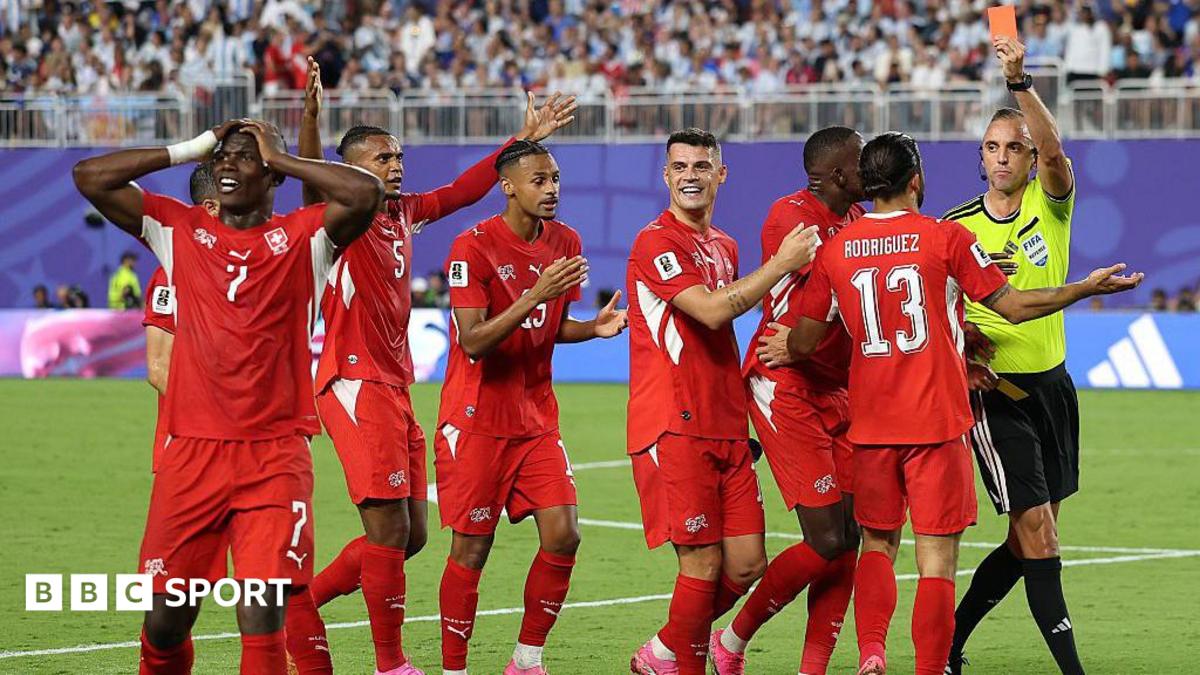
UEFA has drawn a firm line for its video assistant referees, instructing them not to treat possible diving or simulation as a case of mistaken identity. The move, reported by BBC Sport, means European officials will not follow the same route that was used at the 2026 World Cup, where simulation was handled within the VAR framework in a different way.
For supporters, the significance is less about a single incident and more about how the game is policed at the highest level. Simulation remains one of football’s most contentious flashpoints because it sits at the intersection of discipline, interpretation and game management. When a referee believes a player has gone down too easily, the consequences can shape a match immediately: penalties, red cards, momentum swings and, in knockout football, season-defining outcomes.
Why UEFA’s stance matters
UEFA’s instruction suggests it wants to keep VAR focused on the core areas it was designed to review, rather than expanding into broader behavioural judgments. That distinction matters. A mistaken identity review is usually about correcting the wrong player being punished. Simulation, by contrast, is often a subjective call that can depend on angle, contact, speed and the referee’s live reading of the action. By telling VARs not to fold diving into mistaken identity, UEFA is effectively limiting the scope of intervention.
The practical effect should be a clearer boundary between on-field refereeing and video review. For players, that may mean less expectation that a VAR check will rescue them from a caution or dismissal if the referee has judged an incident as simulation. For coaches, it reinforces the need to manage discipline and decision-making in the penalty area, where theatrical contact can still be punished harshly if officials are unconvinced.
What it means for clubs and players
Although the BBC report does not name specific clubs or players, the policy will be watched closely by teams competing in UEFA competitions, where fine margins often decide ties. Attacking players who rely on quick changes of direction and contact in crowded boxes may feel the impact most, while defenders will see the decision as a sign that UEFA is trying to preserve the authority of the match referee rather than turning every contentious fall into a prolonged video review.
For the wider football audience, the story is another reminder that VAR remains a moving target. Different competitions continue to define its use in different ways, and that inconsistency is part of why debates around officiating remain so intense. UEFA’s latest guidance does not end the argument over simulation, but it does make its position clearer: not every questionable fall will become a VAR matter.
That clarity may be welcomed by some supporters who want faster, more decisive officiating. Others may see it as another example of football’s authorities drawing lines that still leave plenty of room for controversy. Either way, UEFA’s message is straightforward — simulation will not be treated as mistaken identity in the VAR room.
Source note: This article was prepared using publicly available information from BBC Sport and expanded with editorial context.
Share this content: