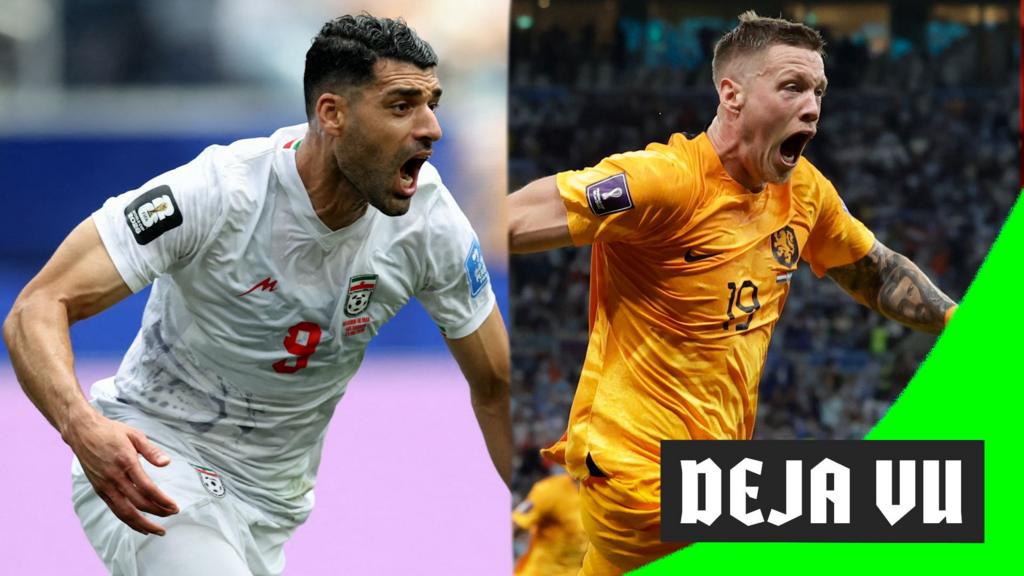
Mehdi Taremi briefly thought he had produced one of the more eye-catching finishes of the international window, only for VAR to intervene and wipe out the goal for offside. The strike was described by the BBC as Weghorst-esque, a clear nod to Wout Weghorst’s memorable World Cup effort against Argentina in 2022, but the comparison ended there once the officials reviewed the move.
For Iran, the moment is a reminder of how fine the margins have become in modern football. A goal that looks instinctive and technically impressive in real time can be reduced to a footnote after a video check, especially when the attacking movement is timed on the edge of the defensive line. That is the reality for forwards like Taremi, who often operate on the shoulder of the last defender and rely on sharp movement as much as finishing quality.
Why the comparison with Weghorst matters
The reference to Weghorst is not just a stylistic flourish. His late equaliser against Argentina in the 2022 World Cup became one of the tournament’s defining moments because of the way the set-piece routine and finish combined under pressure. Any goal that evokes that image immediately carries a sense of drama, improvisation and big-stage relevance. Taremi’s effort appears to have had a similar visual impact, even if the outcome was ultimately different.
For supporters, these moments are frustrating because they sit at the intersection of celebration and disappointment. The ball hits the net, the players react, and then the check begins. In the VAR era, that pause has become part of the emotional rhythm of the game. It can protect the integrity of the result, but it also strips away the instant joy that once came with a clean finish.
What it means for Iran and Taremi
Taremi remains one of Iran’s most important attacking players, and incidents like this underline why he is so central to their offensive play. He is the kind of forward who can create danger from half-chances, which is exactly why he is often involved in moments that are decided by the smallest positional details. Even when a goal is ruled out, the underlying movement can still tell coaches and supporters something useful about the team’s attacking patterns.
From a tactical perspective, the episode also highlights how teams continue to test the offside line with aggressive forward runs and quick deliveries. Those patterns can produce decisive goals, but they also carry the risk of being caught by VAR when timing is even slightly off. For Iran, the incident will likely be remembered less for the disallowed finish itself and more for the warning it offers: in tightly contested matches, precision in the final movement matters as much as the quality of the strike.
In the end, Taremi’s effort adds another small but vivid example of how VAR shapes the modern game. It was a goal that looked special, felt special and briefly had the crowd response to match. But the offside flag, confirmed by video review, ensured it remained only a near-miss rather than a highlight to celebrate.
Source note: This article was prepared using publicly available information from BBC Sport and expanded with editorial context.
Share this content: