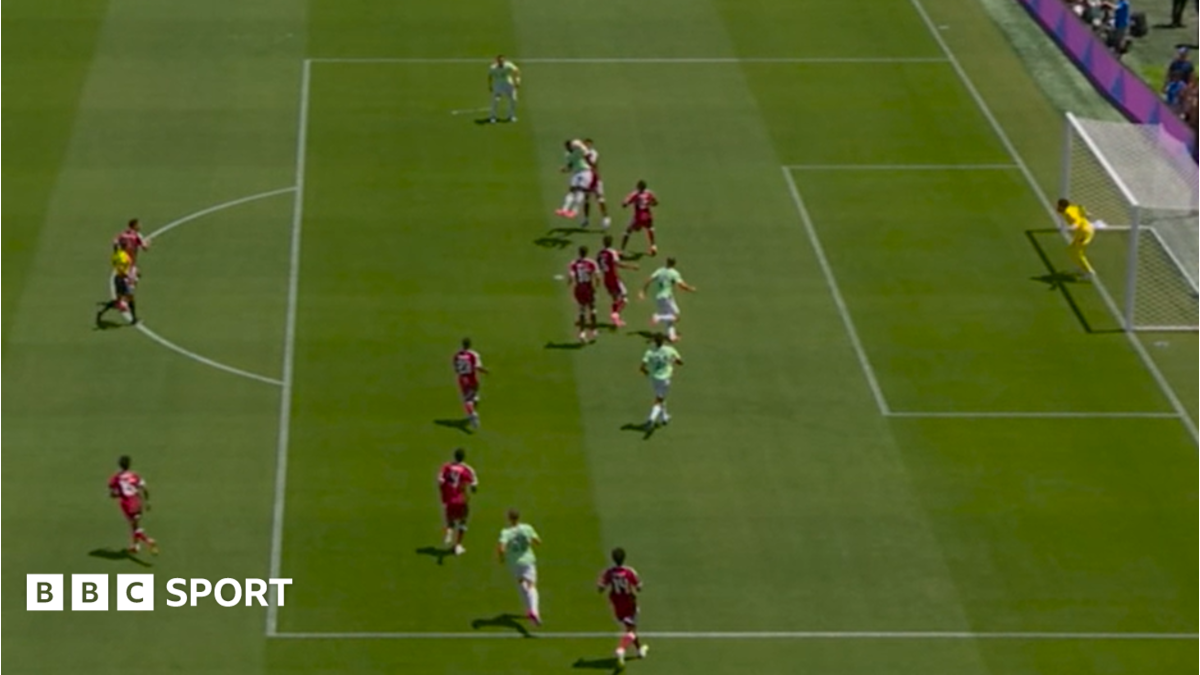
A technology fault that affected the VAR images used in a World Cup offside review has put the spotlight back on one of football’s most contentious areas: not just the decision itself, but the quality of the evidence behind it. According to BBC Sport, the issue centred on whether Switzerland midfielder Remo Freuler was offside before he was brought down by Qatar goalkeeper Mahmoud Abunada.
For supporters, the frustration is obvious. VAR was introduced to reduce clear and obvious errors, yet incidents like this can leave fans feeling that the process is only as strong as the pictures available to the officials. When the visual feed is compromised, the debate shifts from interpretation to infrastructure, and that is a far less comfortable conversation for the game’s authorities.
Why the incident matters beyond one call
Offside decisions are already among the most scrutinised moments in football. They can change the rhythm of a match, alter tactical plans and decide whether a team spends the next phase attacking with confidence or chasing a result. In a World Cup setting, the stakes are even higher because every marginal call carries tournament-level consequences.
This is why a fault in the image system matters so much. Even when officials follow the correct process, the perception of fairness depends on the transparency of the evidence. If supporters cannot clearly see the frame used to judge an offside, trust in the outcome becomes harder to maintain. That is especially true in a competition where every nation expects consistency and where one decision can shape the narrative of an entire campaign.
What it means for Switzerland and Qatar
For Switzerland, the incident will inevitably prompt questions about whether a promising attacking moment was cut short by a review that could not be fully verified from the available images. For Qatar, the goalkeeper’s challenge on Freuler sits within the same disputed sequence, meaning the play will be remembered as much for the technology issue as for the football itself.
More broadly, this is the kind of episode that keeps pressure on football’s governing bodies to improve the reliability of broadcast and review systems. Supporters do not expect perfection, but they do expect decisions to be backed by evidence they can understand. When that evidence is incomplete, the sport risks turning a technical safeguard into another source of doubt.
BBC Sport’s report does not just revisit one offside call; it highlights a recurring problem for modern football. VAR can only command respect when the process is visible, accurate and dependable. If the images fail, so does part of the promise of the system.
Source note: This article was prepared using publicly available information from BBC Sport and expanded with editorial context.
Share this content: