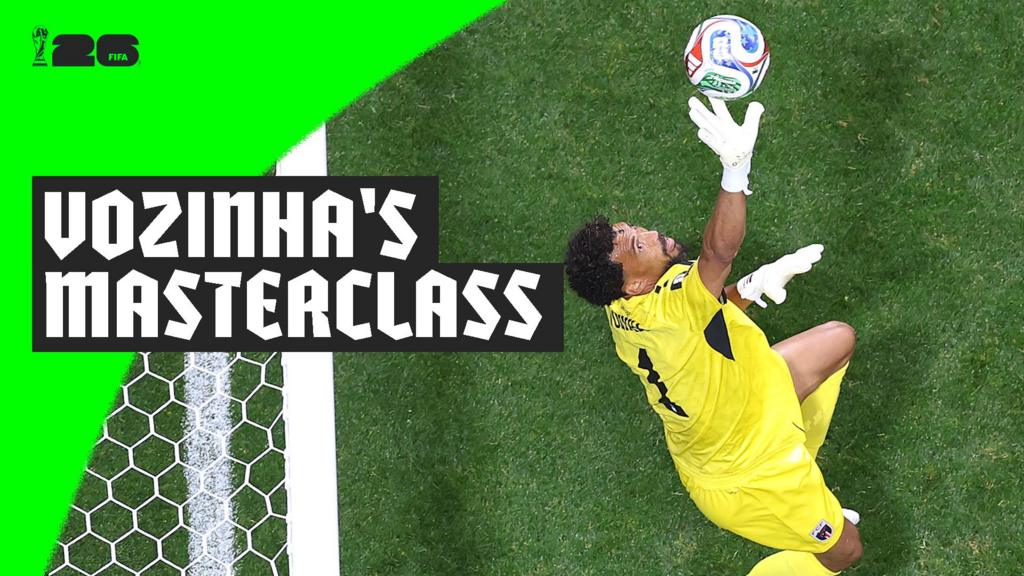
Cape Verde’s 0-0 draw with Spain in Group H at the 2026 World Cup was shaped by one decisive factor: the performance of goalkeeper Vozinha. In a match where Spain were expected to control possession and create the clearer chances, Cape Verde’s resistance turned into a statement result, with the goalkeeper at the centre of everything that kept the underdogs alive.
The BBC’s framing of the game as Vozinha’s “epic goalkeeping display” is telling. In tournament football, especially against a side with Spain’s technical profile, a goalkeeper can become the difference between a respectable defeat and a result that changes the mood around an entire campaign. For Cape Verde, this was not just about surviving pressure; it was about showing discipline, concentration and belief against one of the most established teams in the competition.
Why the draw matters for Cape Verde
A point against Spain carries obvious weight for Cape Verde. In a group-stage setting, draws against elite opposition can reshape qualification hopes, especially when margins are tight and every defensive action matters. A clean sheet against a team of Spain’s calibre also sends a message to the rest of the group: Cape Verde are not simply there to absorb pressure, but to compete with structure and resilience.
For supporters, this kind of result is often as important emotionally as it is mathematically. It validates the team’s approach, rewards defensive organisation, and gives the squad a platform to build on in the remaining fixtures. When a goalkeeper produces a standout display in a game like this, it can lift the entire dressing room, because it proves the game plan can hold up under sustained pressure.
Spain’s frustration and the tactical picture
From Spain’s perspective, a goalless draw against an opponent expected to sit deep is the kind of result that invites scrutiny. Matches like this are usually decided by patience, movement between the lines and the ability to turn territorial dominance into clear chances. If the breakthrough does not come, the pressure shifts onto the attacking side, and the goalkeeper on the other end often becomes the headline.
That is exactly what happened here. Cape Verde’s defensive effort, backed by Vozinha’s performance, denied Spain the finishing touch they needed. In modern tournament football, that combination of compact defending and elite goalkeeping is one of the most effective ways for an underdog to take something from a heavyweight opponent.
What supporters should take from the result
For Cape Verde fans, this is the sort of performance that can define a campaign. It shows the team can stay organised, absorb pressure and trust their goalkeeper to deliver in key moments. For Spain, it is a reminder that possession alone does not guarantee victory, and that breaking down disciplined opposition remains one of the hardest tasks in international football.
Vozinha’s display may not have produced goals or highlights in the attacking sense, but it delivered something just as valuable: a point, a clean sheet and a result that gives Cape Verde real belief in Group H.
Source note: This article was prepared using publicly available information from BBC Sport and expanded with editorial context.
Share this content: