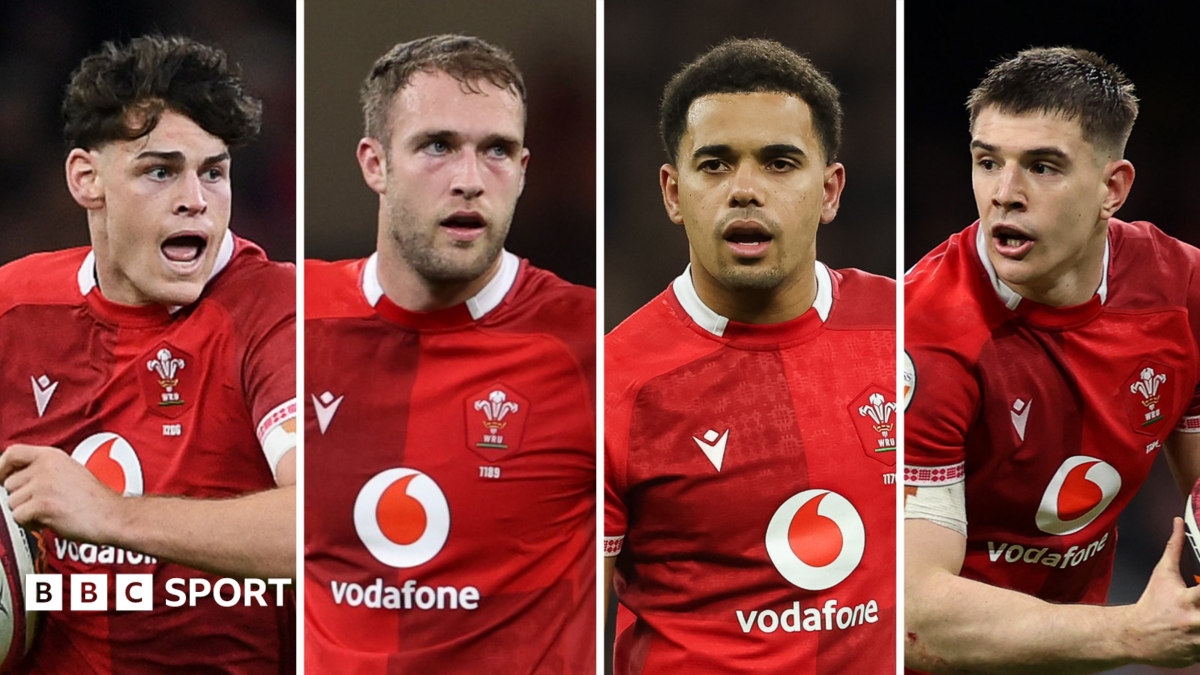
Wales’ decision to return to Ben Thomas and Max Llewellyn in midfield for Saturday’s Nations Championship fixture against South Africa is less a dramatic reset than a reminder of where Steve Tandy believes his side’s most workable balance may still lie. After 12 games in charge, the head coach is back at his starting point, suggesting that the search for the right centre combination remains one of the defining selection questions of his early tenure.
A familiar midfield pairing returns
Thomas and Llewellyn have been restored to the middle of the field as Wales close out their season, with Edwards also involved in a 10-12-13 alignment that gives Tandy a final look at how his backline functions under pressure. For a team facing South Africa, that shape matters. The Springboks are typically a test of defensive organisation, aerial control and decision-making in transition, so Wales’ midfield selection is not just about names on a team sheet; it is about whether the side can survive the physical and tactical demands of elite opposition.
That makes the Thomas-Llewellyn combination significant beyond simple continuity. In modern Test rugby, the 12-13 channel is often where a match is either stabilised or broken open. Wales will need midfielders who can defend straight lines, manage territory and offer enough attacking clarity to avoid being pinned back for long periods. Tandy’s willingness to revisit this pairing implies he sees enough in the combination to trust it in one of the season’s toughest assignments.
What it means for Wales and their supporters
For supporters, the selection is both reassuring and revealing. Reassuring, because it shows Wales are not chasing novelty for its own sake. Revealing, because it also indicates that the answer in midfield has not yet been fully settled. Returning to a known structure can be a sign of confidence, but it can also be a practical response when a coach is still weighing up his best options.
Wales now have one final chance this season to assess whether this alignment can provide a platform for better cohesion. With Tandy set for a break before selection headaches return in November, the South Africa fixture becomes more than a standalone test. It is a checkpoint in the wider build-up, a chance to judge whether Wales have found a midfield partnership capable of carrying them into the next phase with greater certainty.
Against a side as demanding as South Africa, the outcome may not only shape the scoreboard. It could also influence how Wales think about their centre combination when international rugby resumes later in the year.
Source note: This article was prepared using publicly available information from BBC Sport and expanded with editorial context.
Share this content: