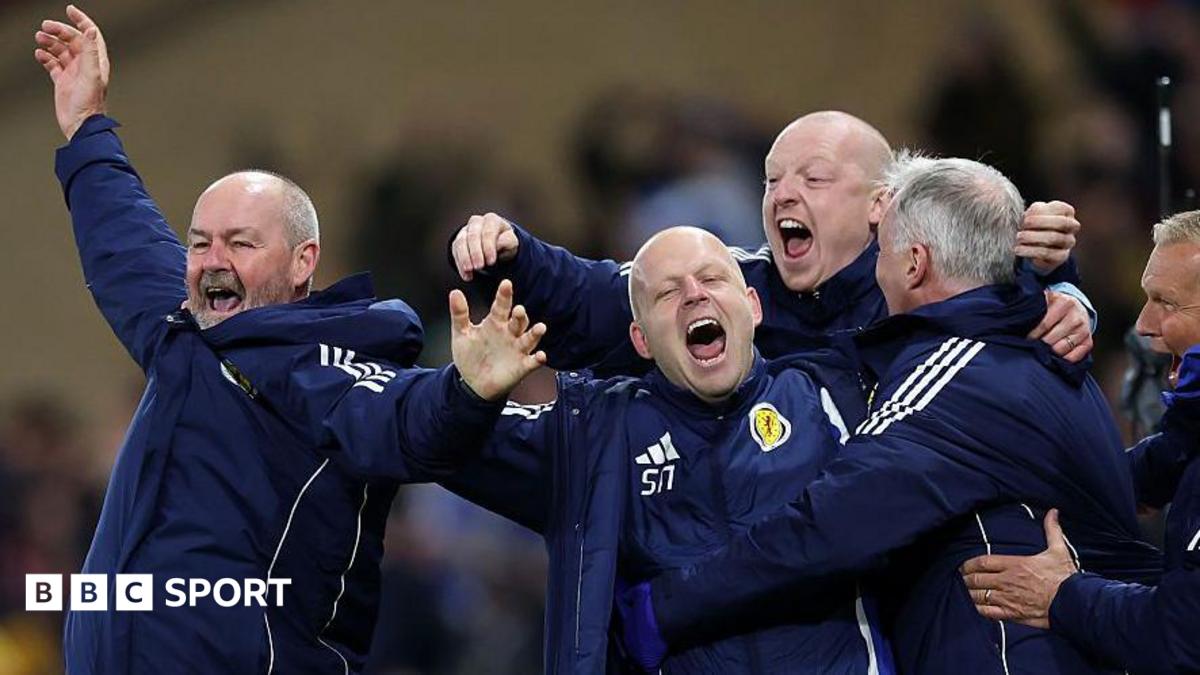
Steve Clarke’s departure has immediately reframed the conversation around Scotland’s future. The timing matters: when a national team loses a head coach, the debate is never only about personality or sentiment. It is about whether the next appointment can preserve continuity while also pushing the side beyond its current ceiling.
BBC Sport’s description of the vacancy as a “monster job” is telling. Scotland is not simply looking for a replacement; it is looking for a manager who can handle the pressure of expectation, the scrutiny that comes with international football and the practical challenge of turning a limited number of camps into a coherent, competitive team. That is a very different task from club management, where daily training can smooth over tactical problems.
Why the Scotland role is so demanding
The next head coach will inherit a job shaped by fine margins. International football offers little time to build automatisms, so the new manager will need clarity of ideas from the outset. Scotland supporters will want a team that is organised without being passive, ambitious without being reckless, and capable of adapting to opponents rather than forcing one rigid approach every time.
That balance is especially important for a nation that has spent recent years trying to establish itself on the biggest stage. Clarke’s tenure has given Scotland a clearer identity, and any successor will be judged not just on results but on whether that identity survives. A reset could bring fresh energy, but it also carries the risk of losing the structure that has made Scotland more competitive.
What the next appointment means for supporters
For supporters, the key question is whether the next coach can convert optimism into progress. A national team job is often defined by moments rather than long stretches of dominance, and Scotland’s next boss will need to be comfortable with that reality. Tournament qualification, game management and the ability to maximise a squad’s strengths will all sit near the top of the brief.
There is also a broader symbolic element. A successful appointment would signal that Scotland can keep moving forward after Clarke, rather than drifting into transition. A poor one could quickly undo the stability that has been built. That is why the search matters so much: the next head coach will not just be filling a vacancy, but shaping the next phase of Scotland’s international identity.
For now, the conversation is only beginning. But the scale of the task is already clear, and so is the expectation that the Scottish FA will need to get this decision right.
Source note: This article was prepared using publicly available information from BBC Sport and expanded with editorial context.
Share this content: