Penalty technique has become one of football’s most scrutinised details, and the latest BBC Sport analysis turns the spotlight on the stuttered run-up. The question is simple but important: when a taker pauses, checks or slows down before striking the ball, is it a smart way to unsettle the goalkeeper, or has the move become so common that it now works against the shooter?
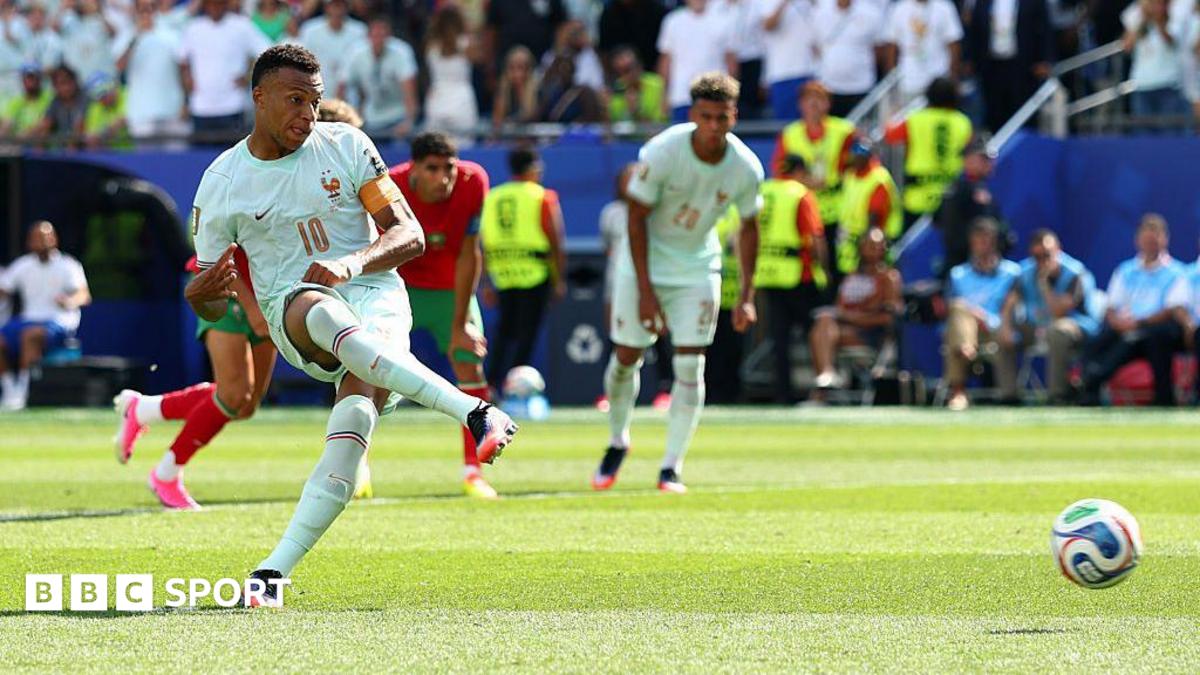
The immediate reference point is Kylian Mbappe’s penalty miss for France in their quarter-final victory over Morocco at the World Cup. Even in a match France went on to win, the miss stood out because it came from one of the game’s most reliable finishers. That is part of what makes the debate relevant beyond a single incident: when elite players use a stuttered approach and still fail, it raises questions about whether the method is genuinely improving conversion rates or simply adding risk.
Why the stutter matters
For supporters, penalties are often the most emotionally charged moments in football because they compress pressure, technique and psychology into a single action. The stutter is designed to force the goalkeeper into committing early, but it also changes the rhythm of the taker’s movement. That can help create uncertainty, yet it can also disrupt the striker’s own timing and body shape at the moment of contact.
From a tactical point of view, the technique sits in a grey area between skill and gamesmanship. Coaches may accept it as part of the modern penalty landscape, but they also know that the margin for error is tiny. A delayed run-up can make the ball easier to read if the taker loses fluency, and at the highest level even a slight hesitation can affect placement, power or disguise.
What it means for teams and fans
France’s World Cup run gives the discussion added weight because tournament football often magnifies every missed chance. A penalty miss does not only affect the scoreboard; it can alter momentum, shape public perception and become a lasting talking point even when the team wins. Mbappe’s miss is a reminder that the best players are not immune to the risks built into modern penalty-taking trends.
For supporters, the wider issue is whether football should continue to reward a technique that increasingly looks like a psychological duel rather than a pure test of finishing. Some will see the stutter as a clever evolution of the penalty, while others will argue that it has gone too far and should be curbed. Either way, the debate is now firmly part of the sport’s tactical conversation, and BBC Sport’s analysis places it in the context of one of the World Cup’s most recognisable moments.
What is clear is that penalties remain one of football’s most unforgiving set pieces. Whether the stutter survives as a standard tool or becomes a technique that coaches begin to discourage, the discussion reflects a broader truth about the modern game: even from 12 yards, the smallest detail can decide everything.
Source note: This article was prepared using publicly available information from BBC Sport and expanded with editorial context.
Share this content: