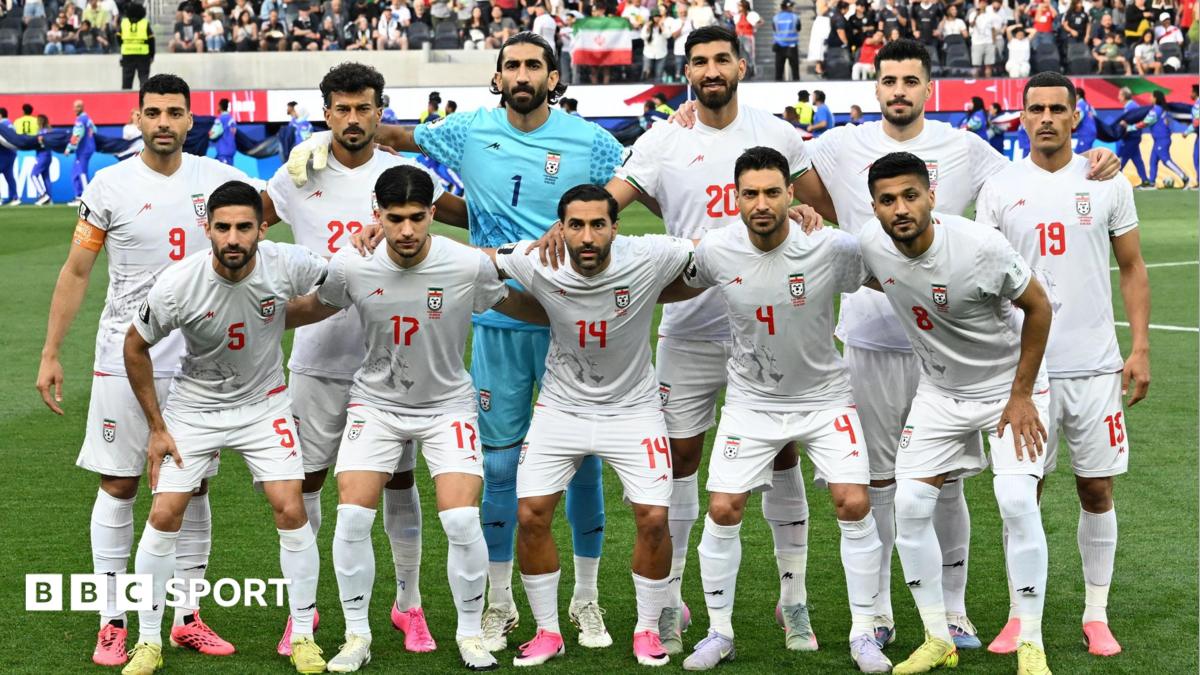
The White House is considering changes to the strict travel restrictions Iran are facing ahead of the 2026 World Cup, according to BBC Sport. While the report is brief, the issue carries obvious significance beyond the pitch because it touches on who can travel, who can support their team in person and how the tournament will be experienced by one of its qualified nations.
For Iran, travel access is not a minor administrative detail. It affects the practical reality of participation at a global event where supporters, federation staff and media all need to move across borders. Any adjustment to restrictions would therefore have implications not only for the team itself but also for the atmosphere around matches, the visibility of Iranian fans and the wider sense of inclusion that FIFA tournaments are meant to project.
Why the issue matters for the World Cup
The 2026 World Cup will be staged across multiple host nations, which makes travel policy especially important. Unlike a single-country tournament, a cross-border World Cup places extra weight on visa rules, security checks and diplomatic coordination. If the White House does alter its position, that could ease some of the logistical pressure surrounding Iran’s involvement and reduce uncertainty for those hoping to attend.
From a football perspective, these kinds of off-field decisions can shape the tournament experience as much as the draw or the schedule. Supporters want clarity well before kickoff, and federations need time to plan travel, accommodation and matchday operations. The earlier a decision is made, the easier it is for everyone involved to prepare properly.
What supporters should watch next
At this stage, the key point is that talks are ongoing rather than concluded. That means there is still no final policy change to report, but the fact that the White House is actively considering the issue suggests it is being treated as a live World Cup matter rather than a background diplomatic concern.
For Iranian supporters, the outcome could determine whether following their team in person is straightforward, restricted or somewhere in between. For the tournament as a whole, it is another reminder that major international football events are shaped by politics, travel law and security as well as sporting performance. BBC Sport’s report indicates that the situation remains under review, and that makes it one to monitor closely as the 2026 World Cup approaches.
Goal Sports News will continue to track developments as more details emerge on whether the travel restrictions will be eased, adjusted or maintained.
Source note: This article was prepared using publicly available information from BBC Sport and expanded with editorial context.
Share this content: