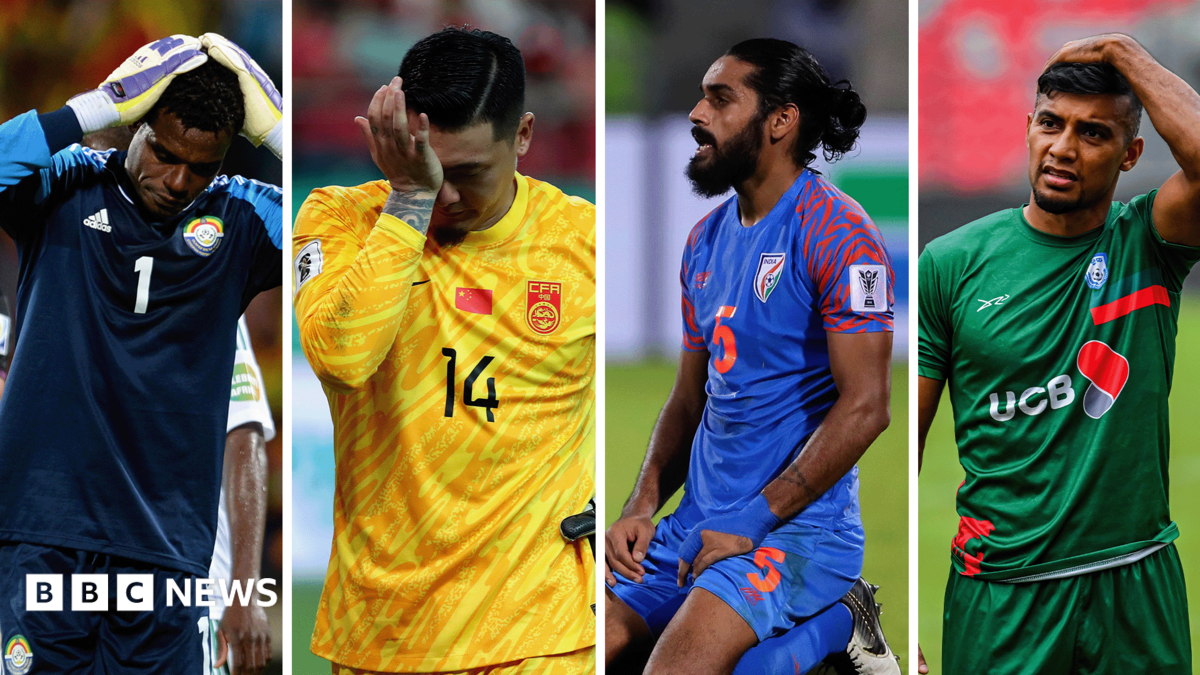
The World Cup is built on the promise of global reach, but BBC reporting points to a striking imbalance at the heart of the tournament: eight of the world’s 10 most populous countries are not taking part. For a competition that markets itself as football’s universal stage, that absence matters. It shapes who gets to see their national team involved, who feels represented, and where the tournament’s emotional pull is strongest.
A global tournament with major gaps in representation
Population alone does not decide footballing success, of course. Qualification is earned on the pitch, and the World Cup remains a merit-based competition. But the BBC’s framing is a reminder that the sport’s biggest event does not map neatly onto the world’s biggest audiences. Some of the most densely populated nations are left watching from the outside, even as the tournament continues to dominate attention across continents.
That disconnect has real significance for supporters. In countries without a team at the finals, the World Cup often becomes a borrowed festival: fans adopt a second-team mentality, follow star players, and build their own rituals around the tournament. The BBC’s reference to Bangladeshi supporters captures that dynamic well. Even without direct national representation, the competition still generates huge emotional investment.
Messi, spectacle and the pull of the tournament
The source also recalls a packed fan gathering on 17 June, when Lionel Messi scored his first 2026 FIFA World Cup goal with a composed finish past the Algerian goalkeeper. That moment illustrates why the tournament remains so powerful even in places not represented on the field. Elite players and iconic moments can cut across borders, creating shared reference points for fans everywhere.
For broadcasters, sponsors and football administrators, the message is clear: the World Cup’s audience is far larger than the list of qualified teams. The tournament’s commercial and cultural reach extends well beyond the nations competing, especially in countries with vast populations and deep football interest. That makes the absence of major population centres more than a statistical curiosity; it is a reminder of how qualification, geography and football development continue to shape the global game.
For supporters, the takeaway is simpler. Even when their country is missing, the World Cup still offers a sense of belonging. The scale of the event, the star power on display and the shared drama of the finals ensure that millions of fans will keep watching, celebrating and debating as if the tournament were their own.
Source note: This article was prepared using publicly available information from BBC Sport and expanded with editorial context.
Share this content: