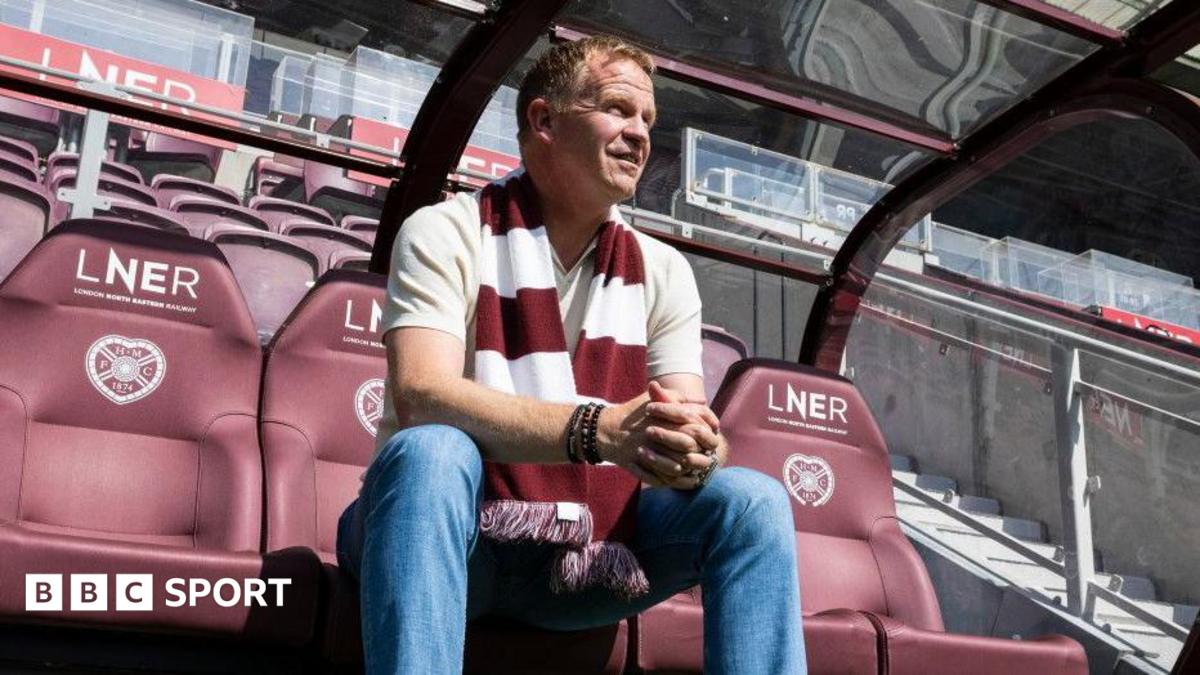
Hearts’ summer has already taken on the shape of a reset. After narrowly missing out on the Scottish Premiership title, the club have moved into a period of change that has touched almost every part of the football operation: the captain has gone, several other players have departed, seven new signings have arrived and a new head coach has been brought in to lead the next phase.
The BBC’s report frames the appointment of Vrancken as more than a routine coaching change. It is presented as a fresh start for a club that has spent the close season reworking both its squad and its football direction. For supporters, that combination can feel exciting and unsettling in equal measure. Hearts are not simply replacing a manager; they are trying to preserve momentum after a near-title challenge while also adapting to a new structure.
A summer of turnover at Tynecastle
When a team comes so close to a league title, the temptation is to treat the following window as a chance to fine-tune. Hearts, however, have been forced into something more substantial. Losing a captain is never a minor issue, particularly for a side that will be expected to compete again at the top end of the table. Leadership, dressing-room authority and continuity all have to be replaced, not just the player’s minutes on the pitch.
Adding seven new signings at the same time suggests a deliberate attempt to refresh the squad rather than patch gaps one by one. That can be a positive if the recruitment is coherent and the coach can quickly establish patterns of play. It can also create short-term instability if the new arrivals need time to settle or if the balance of the side changes too sharply.
What the new coach must solve
For Vrancken, the immediate challenge is clear: turn a summer of change into a competitive advantage. Hearts will want the new coach to build on the standards that took them so close last season, but also to make the team more adaptable and resilient over the course of a long campaign. In practical terms, that means integrating new signings, replacing lost leadership and ensuring the squad remains tactically coherent.
The data-driven element of the club’s approach is also significant. Recruitment models can help identify value, fit and potential, but they still need a coach who can translate numbers into performances. Hearts supporters will be watching to see whether this new era delivers smarter squad building, clearer tactical identity and enough consistency to stay in the title conversation.
There is no guarantee that a summer of upheaval will produce immediate rewards, but Hearts’ willingness to act decisively shows ambition. After coming so close, the club have chosen evolution rather than caution. The success of that decision will now depend on whether Vrancken can make the pieces fit quickly enough to keep Hearts challenging at the top.
Source note: This article was prepared using publicly available information from BBC Sport and expanded with editorial context.
Share this content: