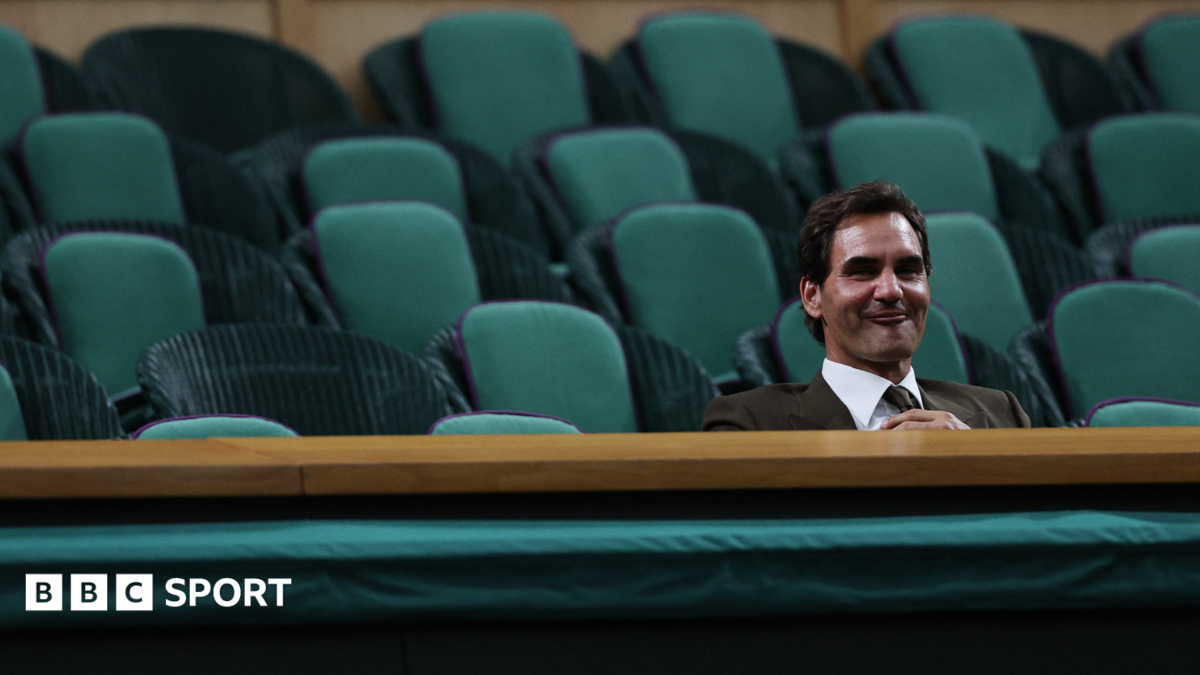
Wimbledon’s royal box has long been one of the sport’s most recognisable symbols of prestige, and this week it became a talking point for a different reason: a photograph of Roger Federer apparently sitting alone in the seats reserved for the tournament’s most high-profile guests. The image prompted fresh curiosity about how the box works, why some seats can appear empty, and how celebrities are selected for invitations.
While the royal box is not a football issue in the narrow sense, the story fits the wider sports-news cycle that surrounds elite events and their access culture. For supporters, it is a reminder that major tournaments are not only about the action on court or pitch, but also about the rituals, invitations and public-facing symbolism that shape the event’s image. In football, similar debates often emerge around VIP areas, hospitality allocations and the balance between exclusivity and atmosphere.
Why the royal box draws attention
The royal box is part of Wimbledon’s identity, and any unusual image from it tends to travel quickly. Federer’s presence in the frame was enough to trigger discussion because he remains one of the most recognisable figures in tennis, and because the box itself is associated with carefully managed guest lists rather than open access. That makes even a routine seating arrangement feel newsworthy when viewed by millions online.
The BBC report focuses on the question of how famous faces are invited into the box, which suggests the process is more structured than casual observers might assume. For a tournament with global reach, the guest list is part of the event’s presentation, and the optics matter as much as the seating plan. Empty chairs, or seats that appear unused in a broadcast image, can quickly become a talking point when the venue is under constant scrutiny.
What it means for elite sport audiences
For Wimbledon, the interest is not just about one photograph. It reflects how modern audiences consume sport: every detail, from who is in the stands to who is in the box, becomes part of the story. That is especially true when the person in question is Federer, whose status ensures attention even away from competition.
For readers coming from football, the broader lesson is familiar. Big events increasingly live in the space between sport and spectacle, and the presentation of exclusivity can shape public perception just as much as results do. The royal box debate may be light-hearted, but it underlines how much fans care about access, status and the visible hierarchy around elite sport.
BBC Sport’s piece does not suggest any controversy beyond the curiosity sparked by the image, but it does show how quickly a single photograph can turn into a wider discussion about how major tournaments manage their most famous guests.
Source note: This article was prepared using publicly available information from BBC Sport and expanded with editorial context.
Share this content: