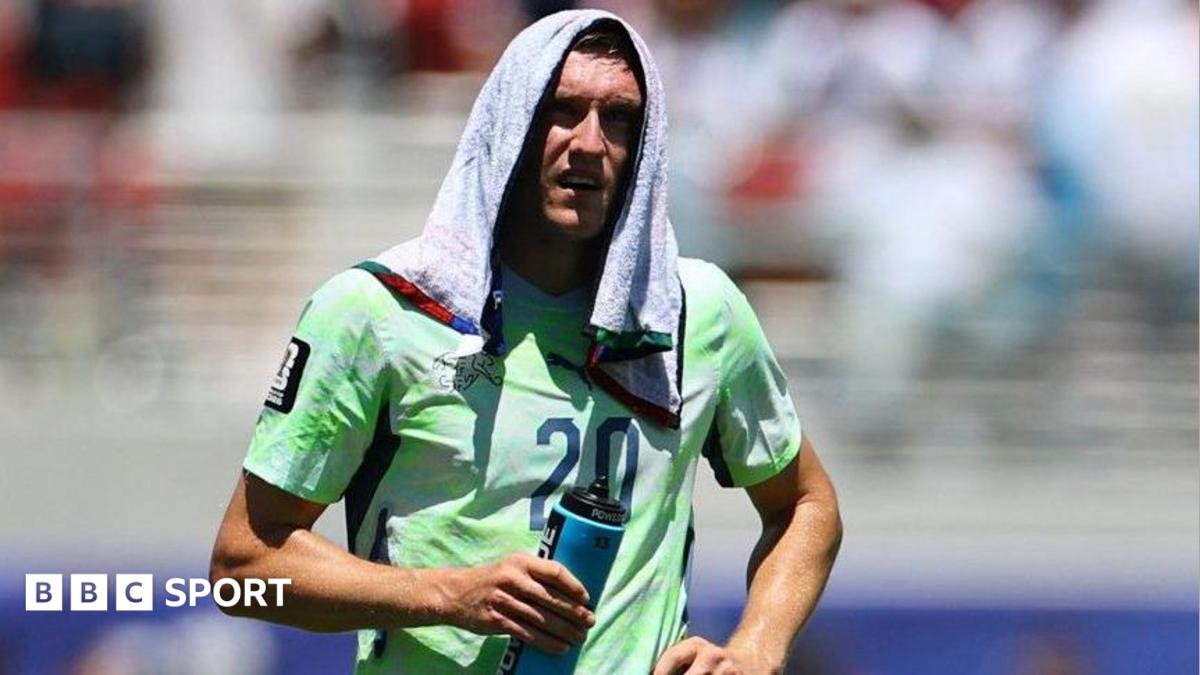
Hydration breaks have become one of the most recognisable features of modern World Cup football, and the BBC’s latest analysis asks the right question: who actually benefits when the referee pauses play for water, and who is forced to adapt? In a tournament where margins are often tiny, even a short stoppage can alter rhythm, momentum and the tactical balance of a match.
For some teams, the break is a welcome reset. Sides that rely on structure, compact defending and carefully managed transitions can use the pause to reorganise shape, slow down pressure and recover from a difficult spell. Coaches also gain a rare in-game opportunity to deliver instructions without waiting for half-time, which can be especially valuable in hot conditions or in matches where one team is struggling to control possession.
Why hydration breaks can change the flow of a match
From a tactical perspective, the stoppage can interrupt the tempo of the side that is on top. Teams pressing aggressively or building momentum through sustained attacks may find that a hydration break cools the game at exactly the wrong moment. That can reduce intensity, break rhythm and allow the opposition to reset mentally and physically.
Supporters often notice the effect immediately. A team that looks close to scoring can suddenly lose its edge after the pause, while a side under pressure may emerge looking more organised and composed. In knockout football, where concentration and emotional control are crucial, that shift can be decisive.
What it means for coaches, players and supporters
Hydration breaks also highlight the growing importance of squad management at major tournaments. Coaches with deeper benches and clearer tactical plans may be better placed to use the pause to their advantage, while teams that depend heavily on tempo, pressing and constant movement may feel the disruption more sharply. The rule is not just about player welfare; it is also part of the strategic landscape of the competition.
For players, the break can be both relief and interruption. It offers a chance to recover in difficult conditions, but it can also break concentration at a time when focus is everything. For supporters, it adds another layer to the watching experience, because the game is no longer only about who has the ball, but also about who manages the pauses best.
As the BBC piece suggests, hydration breaks are now a familiar part of World Cup football. Whether they help or hinder depends on game state, tactical style and the ability of coaches to react quickly. In a tournament built on fine details, that makes the stoppage far more than a simple drink break.
Source note: This article was prepared using publicly available information from BBC Sport and expanded with editorial context.
Share this content: