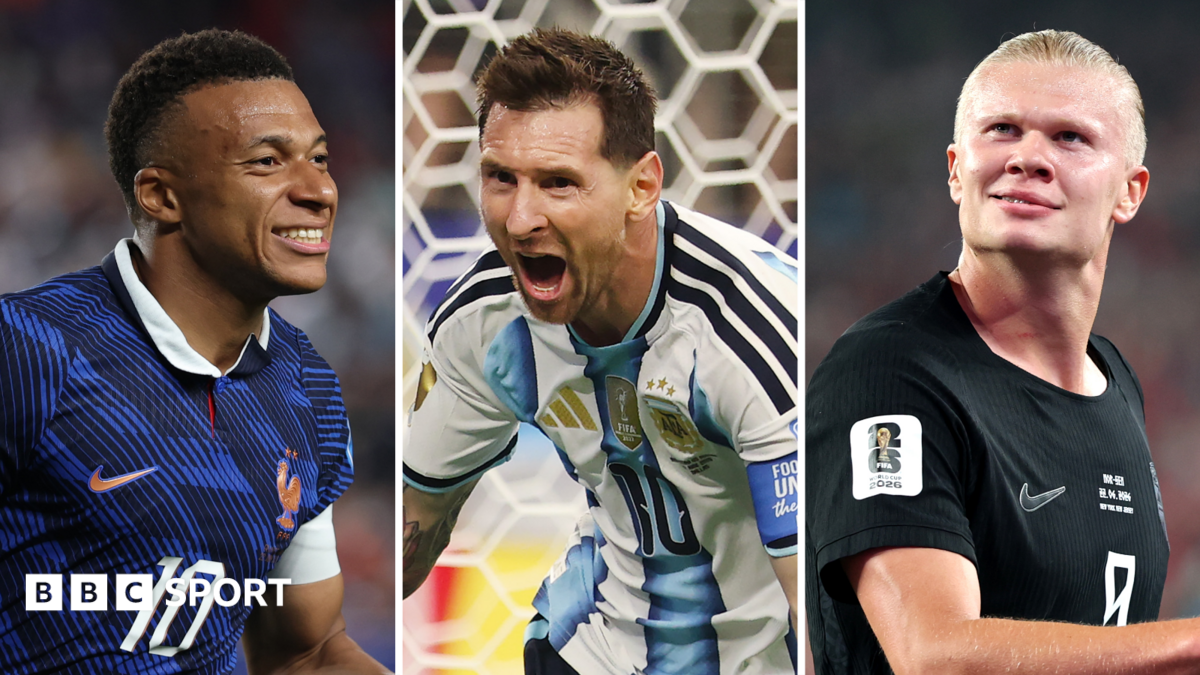
The World Cup has reached the point where the margin for error disappears. After 72 games, only 32 remain, and the knockout bracket begins to reshape the tournament into something far more unforgiving. That is the central idea behind BBC Sport’s preview of the last-32 ties: this is where reputations are tested, momentum can be reset, and the competition starts to feel like a different event altogether.
Harry Kane and Thomas Tuchel have both spoken recently about the World Cup effectively becoming two separate tournaments, and that is a useful lens for supporters and analysts alike. The group stage rewards consistency and recovery from setbacks; the knockout rounds demand control, adaptability and the ability to survive pressure in a single game. For the teams still standing, the next step is not just about quality, but about timing, game management and nerve.
Why the knockout stage changes everything
In the last-32 round, the tactical picture becomes sharper. Coaches can no longer plan around a second chance, which usually means more conservative risk management, more emphasis on set pieces and transitions, and a greater premium on players who can decide tight matches. That is why these fixtures often produce a different kind of football: less open, more tense, and more dependent on moments rather than sustained dominance.
For supporters, that shift is part of the appeal. The group phase can be a long evaluation; the knockout stage is a verdict. Big teams are expected to impose themselves, but the format also creates space for dark horses to thrive. One disciplined performance, one counterattack, one dead-ball routine can change the tone of an entire campaign.
Big names, dark horses and the pressure of expectation
BBC Sport’s framing suggests that the intrigue in the last-32 ties is not limited to the headline teams. The appeal lies in the subplots: established contenders trying to justify their status, underdogs looking to extend their run, and individual players carrying the weight of a nation’s hopes. In that environment, experience matters, but so does composure under stress.
That is especially relevant for teams built around high-profile attackers or possession-heavy systems. Knockout football often punishes wastefulness and rewards efficiency. A side that dominates territory but fails to convert chances can be vulnerable to a more direct opponent that stays compact and waits for openings. Supporters know this pattern well: the best team on paper is not always the team that survives the night.
As the World Cup enters its decisive phase, the story is no longer about qualification. It is about survival, tactical clarity and the ability to handle the pressure that comes with every minute. The last-32 round is where the tournament’s most compelling narratives usually begin.
Source note: This article was prepared using publicly available information from BBC Sport and expanded with editorial context.
Share this content: