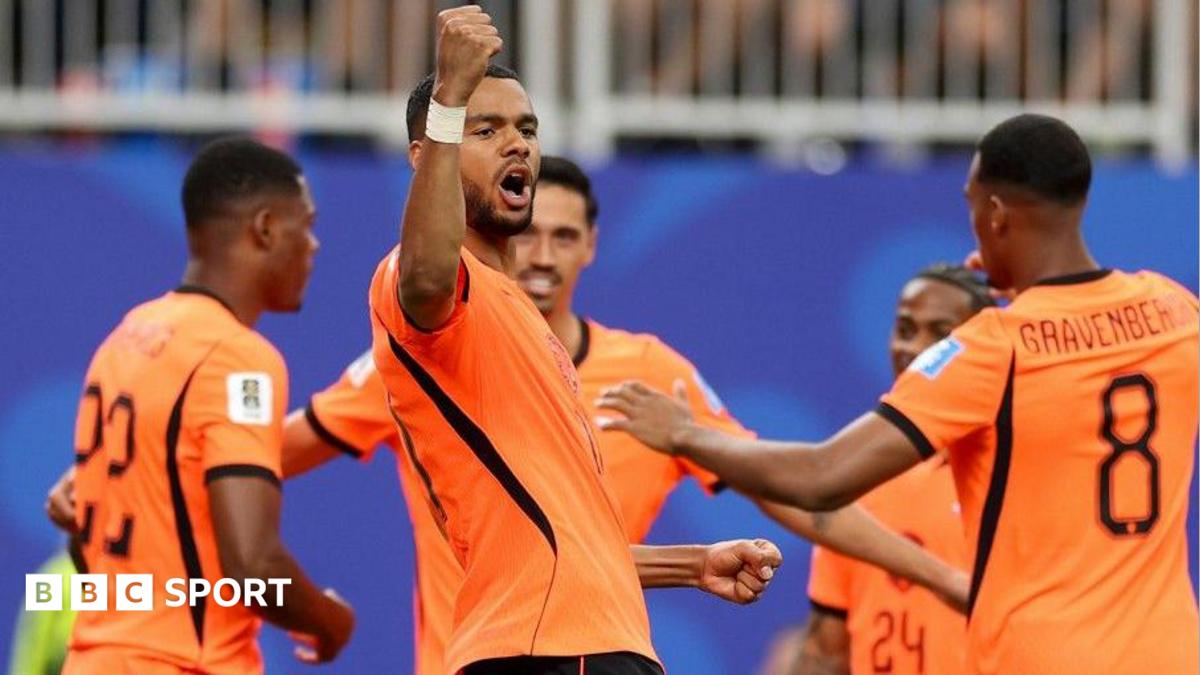
The 2026 World Cup has produced a striking early scoring trend: the tournament reached 100 goals in just 33 matches, making it the fastest edition to that milestone since 1958. That is the kind of number that immediately changes the conversation around a World Cup. It is not just about entertainment value; it also invites scrutiny of the conditions shaping the competition.
For supporters, a high-goal tournament usually means more volatility, more momentum swings and fewer matches decided by a single moment of caution. For coaches, though, the same trend can be read very differently. A faster route to 100 goals may reflect more open games, but it can also point to tactical trade-offs, tired legs, or defensive structures that are being stretched by the demands of a packed tournament.
Why the scoring rate matters
The BBC’s framing is important because it does not treat the goal tally as a simple headline stat. Instead, it asks whether the ball, the breaks between matches or other tournament conditions are helping to drive the numbers. That is a fair question in any World Cup, especially one that is being watched closely for patterns that may affect performance across the competition.
When a tournament reaches a century of goals this quickly, the debate naturally shifts from isolated results to broader context. Are teams pressing higher and taking more risks? Are defensive errors increasing under pressure? Or are the conditions around the tournament making it easier for attacks to find rhythm? The source does not provide a definitive answer, but it does establish that the scoring pace is historically unusual.
What it means for the rest of the tournament
For fans, the immediate takeaway is simple: the 2026 World Cup has been lively, and the early evidence suggests more goals could be on the way. That can be a positive for neutral viewers and for broadcasters, but it also creates a tactical challenge for teams still in the competition. If the scoring rate remains high, managers may need to balance ambition with control more carefully than ever.
There is also a wider tournament implication. Once a World Cup develops a reputation for goals, every subsequent match is viewed through that lens. A single 0-0 or narrow contest can feel like an exception rather than the norm. That changes the pressure on teams and the expectations of supporters, especially in knockout football where one defensive lapse can end a campaign.
For now, the key fact is clear: the 2026 World Cup has reached 100 goals faster than any edition since 1958. Whether that is down to the ball, the breaks, the tactical landscape or a combination of all three, it has already become one of the defining talking points of the tournament.
Source note: This article was prepared using publicly available information from BBC Sport and expanded with editorial context.
Share this content: