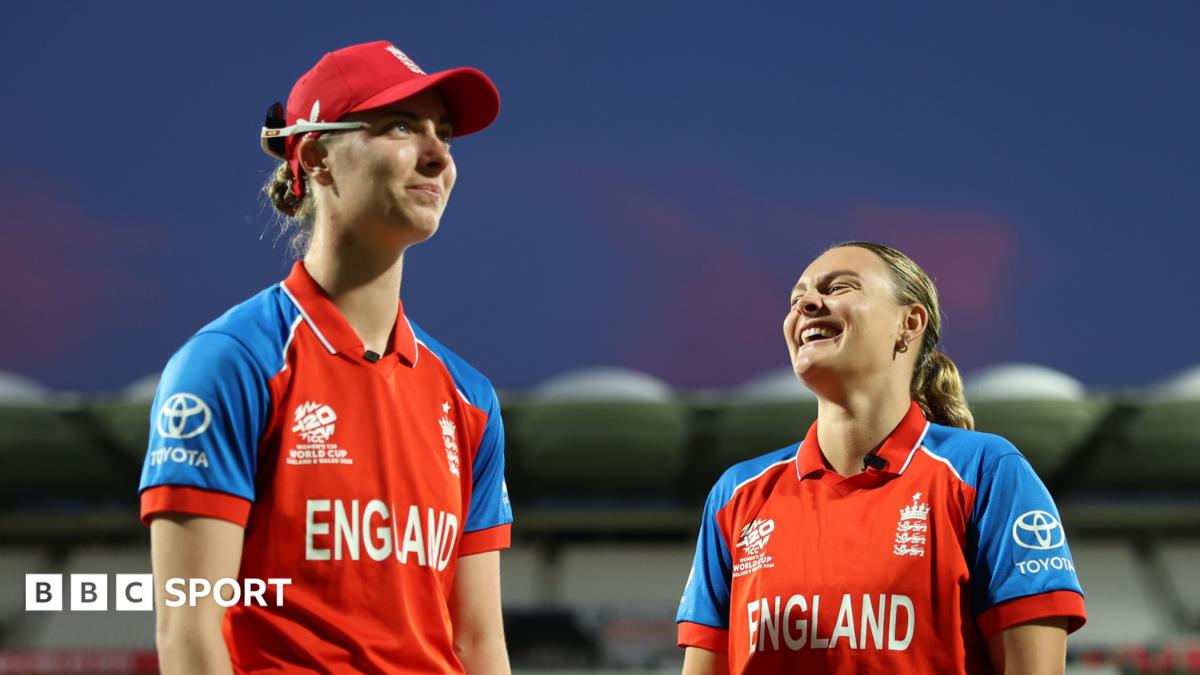
England’s search for a more stable ODI batting structure has become a recurring theme, and the BBC’s latest piece points to two young all-round options as part of the answer. Charlotte Edwards, one of the most influential voices in the women’s game, believes England may have been stronger at last year’s 50-over World Cup had Freya Kemp and Dani Gibson been available.
That is a significant judgment because it goes beyond simple hindsight. It suggests England’s issue has not only been about top-order runs or middle-order consistency, but also about the balance of the XI. In modern white-ball cricket, sides increasingly need players who can contribute in more than one discipline, and the availability of multi-skilled cricketers can change how a team is built from the outset.
Why Kemp and Gibson matter to England’s balance
From a tactical perspective, the value of Kemp and Gibson lies in flexibility. When a side is short of batting depth, it often becomes more conservative with selection, which can limit bowling options or force specialist batters into roles that do not suit them. All-rounders help reduce that trade-off. They can lengthen the batting order, offer matchup-based bowling choices, and give a captain more room to adapt during pressure phases.
Edwards’ view also reflects a broader truth about England’s recent white-ball evolution: the team has been trying to find the right blend between experience and upside. Young players can bring energy and versatility, but they also need time and trust. When they are absent, the team can look more rigid, especially in tournaments where one or two selection calls can shape the entire campaign.
What this means for England supporters
For supporters, the story is encouraging in one sense and frustrating in another. Encouraging because it suggests England may already have internal solutions rather than needing to look far outside the current pool. Frustrating because the debate implies the side may have been a little short of the right personnel at a major tournament, and those margins can be decisive at World Cup level.
The article’s central point is not that Kemp and Gibson alone would have solved every problem, but that England’s batting issue is tied to squad construction as much as individual form. If those players continue to develop and stay available, England’s selectors may have more freedom to build a side that is both deeper and more dynamic.
That is why Edwards’ comment matters. It is not just a retrospective opinion about one tournament; it is a reminder that England’s next step may depend on how well they integrate emerging all-round talent into a side still looking for the right formula.
Source note: This article was prepared using publicly available information from BBC Sport and expanded with editorial context.
Share this content: