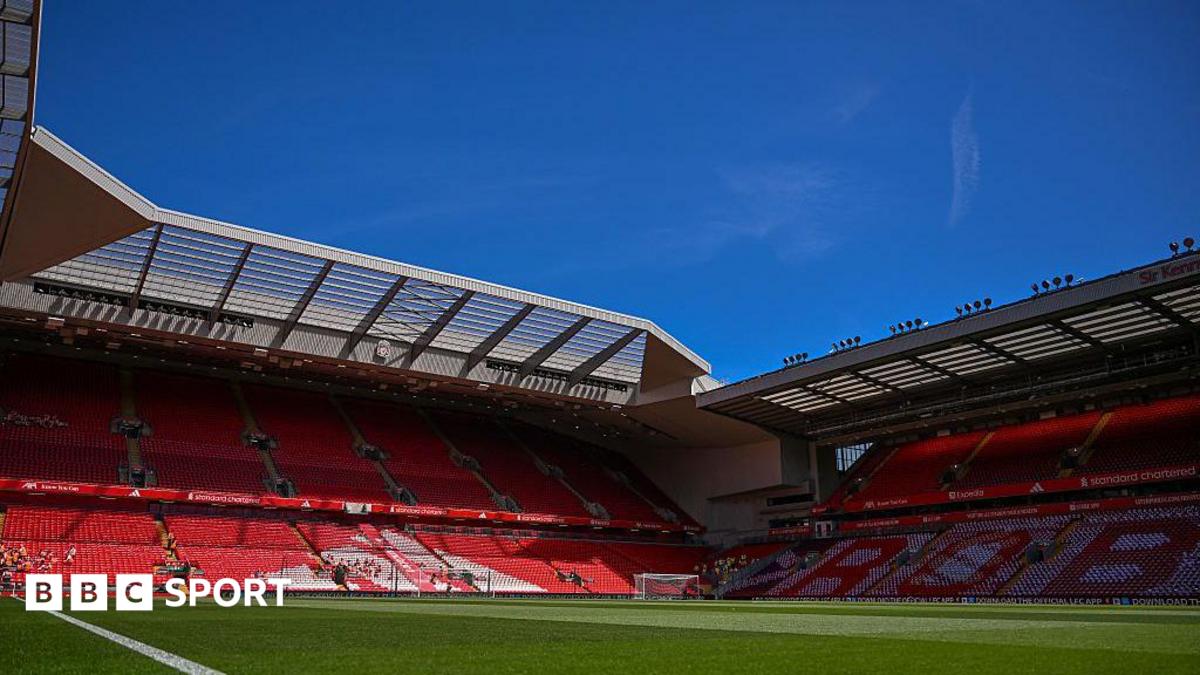
Liverpool’s ownership structure is back in focus after BBC Sport reported that a consortium led by British-Indian millionaire businessman Amit Bhatia has expressed interest in buying a minority stake in the club. The development does not amount to a completed transaction, but it is significant because any move involving Liverpool’s shareholding naturally draws attention from supporters, investors and the wider Premier League market.
For a club of Liverpool’s size, minority investment is rarely just a financial footnote. It can shape long-term planning, influence commercial growth and affect how a club positions itself in an increasingly competitive ownership landscape. Even when control does not change hands, outside capital can be used to strengthen infrastructure, support recruitment strategy or expand global operations. That is why reports of interest in Liverpool are likely to be followed closely, especially by fans who have seen how ownership decisions can affect sporting ambition.
What the reported interest means
The key detail here is that the source says a consortium has expressed interest. That wording matters. It suggests early-stage engagement rather than a formal agreement, and it leaves open the question of valuation, governance rights and the scale of any potential stake. In modern football, those details often determine whether a deal progresses or stalls.
Liverpool have spent recent years operating in a highly scrutinised ownership environment, where every investment discussion is judged not only on financial terms but also on what it could mean for the football side. Supporters will want clarity on whether any outside investor would be passive or whether the move could bring a broader strategic role. Until more is known, the story remains one of interest rather than certainty.
Why this matters for Liverpool supporters
For fans, ownership news can feel distant from the pitch, but it often has direct consequences. Investment can affect transfer flexibility, stadium development, academy resources and the club’s ability to keep pace with rivals who are also backed by major capital. At the same time, supporters are usually wary of any change that could alter the club’s identity or decision-making balance.
That tension is what makes this report relevant. Liverpool are one of the most commercially powerful clubs in world football, so any minority-stake discussion will be measured against both ambition and stability. For now, the only verified takeaway is that interest has been expressed. The next stage, if there is one, will be whether those talks develop into something more concrete.
Until then, this is a story to watch rather than one to conclude. In football ownership, especially at a club with Liverpool’s profile, early interest can move quickly — or disappear just as fast.
Source note: This article was prepared using publicly available information from BBC Sport and expanded with editorial context.
Share this content: