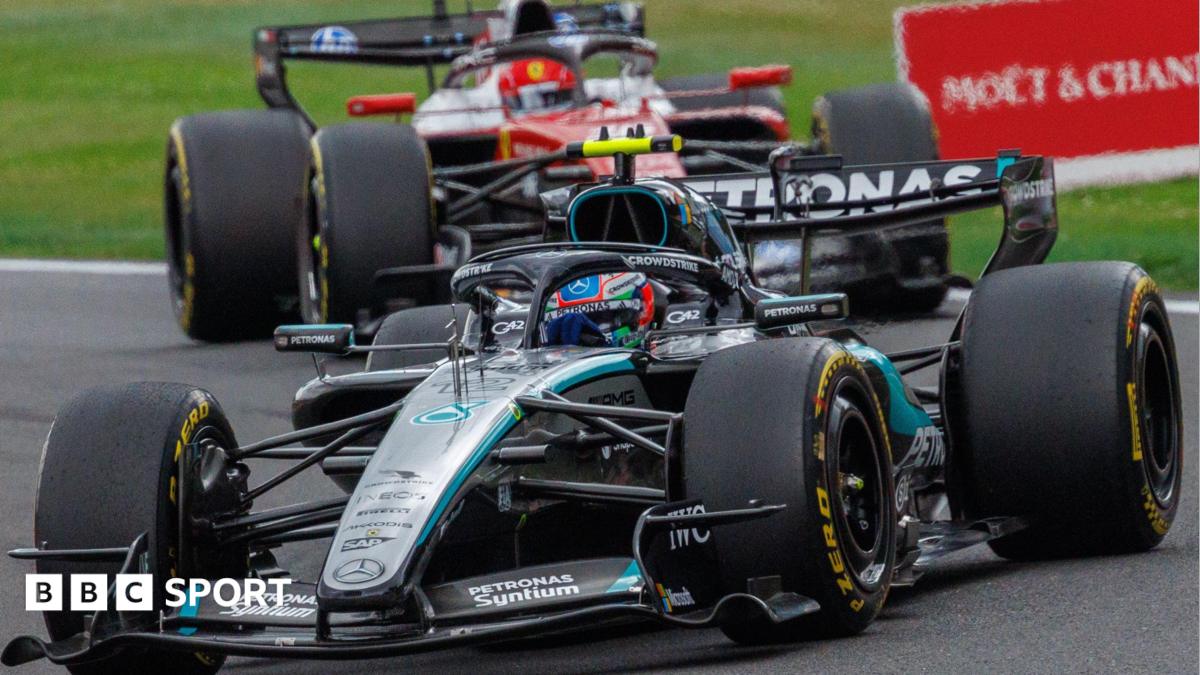
Kimi Antonelli’s Belgian Grand Prix victory delivered exactly what Mercedes needed after a run of races in which his championship advantage had been trimmed. The win restored a more comfortable buffer at the top of the standings and gave the team a timely reminder that, even in a season of pressure and momentum swings, a single strong result can reset the narrative.
For Mercedes, the afternoon was defined by contrast. Antonelli converted pace into a result that matters far beyond the trophy itself, while George Russell’s crash-out turned what could have been a highly productive team score into a far more uneven outcome. In championship terms, that split result is significant: one driver strengthened his position, the other left the team exposed to the volatility that can define modern Formula 1 title fights.
Antonelli’s win restores control
The key takeaway from Belgium is not just that Antonelli won, but that he did so at a moment when his lead had been under pressure. In any championship battle, the psychological value of halting a slide is as important as the points themselves. For a young driver, that kind of response is especially meaningful because it shows resilience under scrutiny and the ability to turn a difficult run into a statement result.
Mercedes will also see the victory as evidence that the package remains capable of delivering when execution is clean. In a sport where fine margins decide outcomes, a race win can mask weeks of concern and reframe the conversation around competitiveness, strategy and confidence. For supporters, that matters: it offers proof that the title fight is still being shaped by performance rather than by damage limitation alone.
Russell’s crash adds pressure to Mercedes
Russell’s retirement is the other half of the story, and it is the part Mercedes will want to address quickly. A crash-out does more than remove points from the board; it also increases the burden on the team’s remaining opportunities and can complicate the internal balance between risk and reward. When one car is maximising a weekend and the other is eliminated, the margin for error across the rest of the campaign narrows immediately.
From a tactical perspective, Mercedes’ weekend underlines how fragile championship momentum can be. One driver’s victory can steady the ship, but a teammate’s non-finish keeps the pressure on the broader operation. That tension is often what separates title-winning campaigns from merely competitive ones. For fans, the Belgian Grand Prix offered both relief and frustration in the same afternoon: relief that Antonelli responded, frustration that Mercedes did not leave with an even bigger haul.
With the championship picture now reset in Antonelli’s favour, the next races will be about whether Mercedes can turn this into sustained control rather than a single rebound. The Belgian Grand Prix may not settle the season, but it has clearly changed the tone of it.
Source note: This article was prepared using publicly available information from BBC Sport and expanded with editorial context.
Share this content: