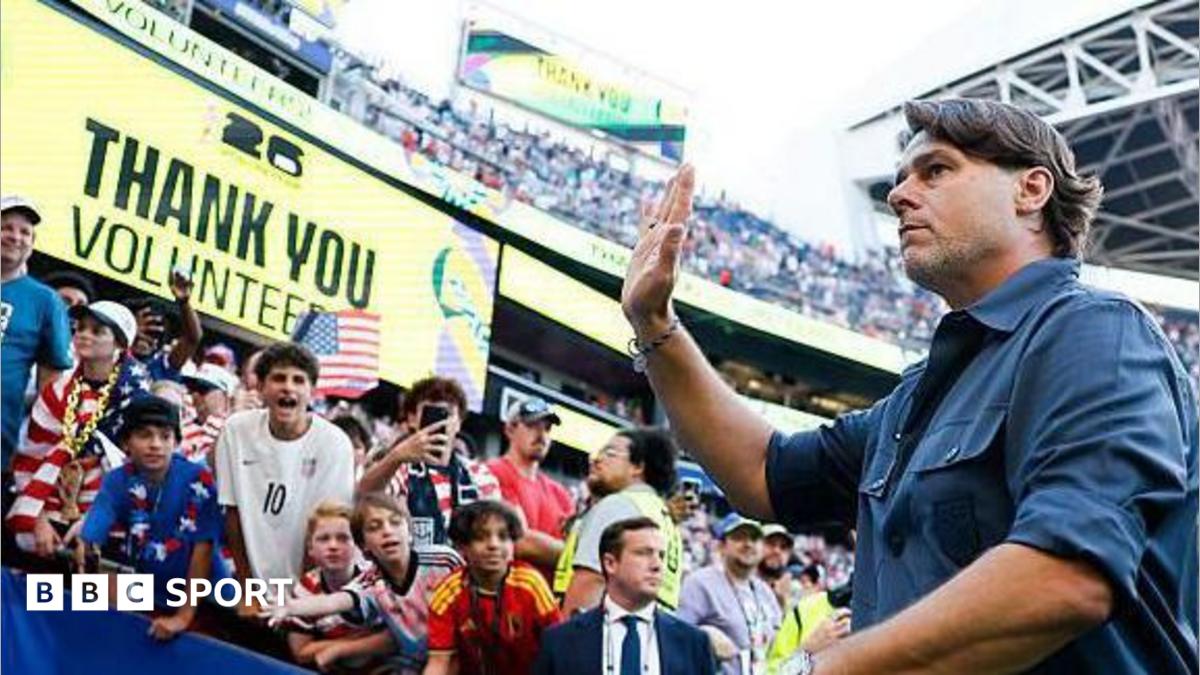
The United States’ World Cup story has long been wrapped in spectacle, expectation and the sense that the men’s team should be doing more on the biggest stage. BBC Sport’s latest piece, A shambolic end for the American dream – did Balogun saga play a part?, looks at that tension through the lens of one of the more debated episodes in recent USMNT planning: the Folarin Balogun eligibility saga.
What makes the discussion relevant is not just the player himself, but what his situation represented. Balogun’s international future became a talking point because the United States were trying to strengthen a squad that has often been judged against the country’s huge sporting profile and the energy of its fanbase. When a team is already under pressure to deliver at a World Cup, any unresolved recruitment issue can become part of the wider narrative around preparation, identity and decision-making.
The Balogun question and squad-building pressure
Balogun’s case matters because elite international teams are often shaped as much by recruitment and timing as by what happens on the pitch. For the United States, the debate around him sat within a broader conversation about whether the team had assembled enough attacking quality and whether key choices were made early enough to avoid distraction later on. The BBC’s framing suggests the saga is being viewed not as a standalone issue, but as one possible factor in a campaign that ended badly.
That is where the editorial significance lies for supporters. Fans do not just want a talented pool of players; they want clarity, cohesion and a sense that the federation is making the right calls before a tournament begins. If a high-profile player’s status drags on, it can feed the impression that planning is reactive rather than decisive, even if the final outcome is influenced by many other factors.
What the collapse means for the USMNT
The source also underlines the contrast between the usual World Cup pageantry around US games and the disappointment of the ending. That contrast is important: the United States can generate noise, atmosphere and attention, but the real measure is whether that energy translates into results. When it does not, the scrutiny quickly shifts from the stands to the structure behind the team.
For the USMNT, the lesson is likely to be about more than one player or one storyline. It is about whether the team can turn its growing profile into a more reliable tournament identity. Questions around Balogun may remain part of that conversation, but the bigger issue is how the United States avoid another campaign where promise, publicity and expectation outstrip the final return.
For supporters, that is the frustrating part: the ingredients for a stronger World Cup presence are clearly there, but the gap between potential and performance still needs closing. Until that happens, every major decision – including recruitment battles like Balogun’s – will be judged through the lens of what the team failed to achieve.
Source note: This article was prepared using publicly available information from BBC Sport and expanded with editorial context.
Share this content: